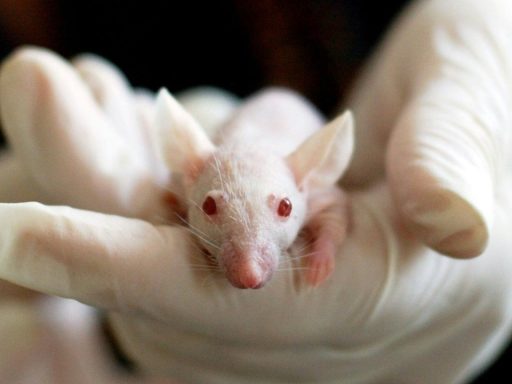


Cancer drugs that have been prescribed for decades are showing a surprising new potential: reversing key signs of Alzheimer’s disease in mice. By repurposing medications already stocked in pharmacies, researchers are sketching out a faster, cheaper route to treatments for one of the most feared brain disorders.
The findings do not mean a cure is ready for patients, but they suggest that familiar oncology drugs might repair damaged neurons, clear toxic proteins, and restore memory in animal models in ways that standard Alzheimer’s therapies have not yet achieved.
How existing cancer drugs reshaped Alzheimer’s damage in mice
In the new work, scientists screened a panel of cancer medications that have long been available on pharmacy shelves and identified compounds that target pathways shared by tumors and degenerating neurons. One of the central ideas was that abnormal protein handling, which drives uncontrolled cell growth in cancer, also drives the accumulation of beta amyloid and tau tangles in Alzheimer’s disease.
Using mouse models that develop amyloid plaques and cognitive deficits, the team administered selected cancer drugs at doses tailored for brain effects rather than tumor suppression. Treated animals showed a sharp reduction in amyloid burden alongside measurable improvements in learning and memory tasks compared with untreated controls. In maze tests and object recognition assays, mice that received the repurposed drugs performed closer to healthy animals, suggesting that synaptic function had been restored rather than simply slowed in its decline.
Microscopic analysis of brain tissue revealed that neurons exposed to the treatment had fewer damaged synapses and less inflammatory activation of microglia. The drugs appeared to re-engage cellular cleanup systems, including proteasome and autophagy pathways, which in turn reduced the toxic protein aggregates that are a hallmark of Alzheimer’s pathology. According to the researchers, the compounds had sat in the oncology arsenal for decades before anyone tested their impact on neurodegeneration, a gap that reflects how siloed drug development has often been.
The experimental work, described in detail in a report on repurposed cancer treatment, also tracked side effects in the animals. At the lower doses used for brain disease, the mice avoided the severe marrow suppression and gastrointestinal toxicity that typically limit cancer regimens. That safety signal in rodents will not automatically translate to humans, but it strengthens the case for moving into carefully designed early phase trials.
Why this repurposing strategy matters for Alzheimer’s research now
The appeal of recycling oncology drugs for Alzheimer’s lies in both biology and logistics. Biologically, cancer and neurodegeneration share surprising molecular overlaps, including disrupted cell cycle control, chronic inflammation, and misfolded proteins that evade normal quality checks. A medication that can modulate those pathways in tumors might also reset them in vulnerable neurons, especially if dosing and timing are adjusted for long-term brain health rather than short bursts of tumor killing.
On the logistical side, repurposed drugs arrive with a head start. Many of the compounds tested in the mouse experiments already have extensive safety data from cancer patients, established manufacturing pipelines, and clear regulatory histories. That foundation can shorten the path from bench to bedside, because early human studies can focus on new dosing strategies and target engagement instead of basic toxicity. In a field where traditional Alzheimer’s drug development has seen repeated late-stage failures, the ability to move faster and at lower cost carries obvious weight.
The timing is also significant because clinicians are facing rising numbers of patients with Alzheimer’s and related dementias, while current options offer only modest symptom relief. Antibody therapies that clear beta amyloid have generated intense debate over their risk-benefit balance, especially around brain swelling and bleeding. A small molecule originally designed for cancer, taken orally and already familiar to hospital pharmacies, would represent a very different proposition for health systems and caregivers if it could match or surpass those effects on cognition.
Repurposing also encourages a broader rethink of how drug libraries are used. Rather than waiting for entirely new molecules to be discovered, researchers can mine existing catalogs for agents that hit underexplored brain targets, such as specific kinases, epigenetic regulators, or stress response proteins. The cancer field has produced a large number of such precision tools, many of which were set aside after modest oncology performance but could still be valuable in chronic neurological disease. The new mouse data provide a proof of concept that this kind of cross-disciplinary search can pay off.
For families living with Alzheimer’s, the prospect of a therapy derived from a familiar drug category may also feel more tangible than abstract experimental biology. Oncologists routinely adjust dosing schedules to balance tumor control with quality of life, and neurologists could eventually adapt similar strategies if these compounds prove effective in people. That convergence of clinical cultures, built around a shared medication, could speed real-world adoption once regulators are satisfied with the evidence.
Key questions and next steps before patients see benefits
Despite the excitement, the gap between a rescued mouse and a functioning human brain remains large. The first priority is to confirm that the mechanisms seen in animals, such as restored synaptic signaling and reduced amyloid, can be reproduced in human neurons. Researchers are already turning to brain organoids grown from patient stem cells and to induced neurons derived from skin biopsies to test whether the same cancer drugs can reverse cellular damage in human tissue.
In parallel, clinical teams are sketching early phase trial designs that would enroll people with mild cognitive impairment or early Alzheimer’s, when neurons are still salvageable. These studies will likely start with small cohorts, focusing on pharmacokinetics, brain penetration, and biomarker shifts in cerebrospinal fluid and imaging. Regulators will expect careful tracking of known cancer drug toxicities, even at reduced doses, including effects on blood counts, liver function, and infection risk.
Another open question is how long patients would need to stay on such a therapy. Cancer regimens are often time-limited, while Alzheimer’s is a chronic condition that unfolds over years. If the repurposed drugs act mainly by clearing existing protein aggregates and resetting cellular housekeeping, a finite course might suffice, followed by maintenance with other agents. If instead they need to be present continuously to keep pathological pathways in check, long-term safety will become a central concern.
Combination strategies are also on the table. The pathways targeted by these cancer drugs intersect with those addressed by current Alzheimer’s medications, such as cholinesterase inhibitors and NMDA receptor antagonists, as well as with newer antibodies that clear amyloid. Researchers will need to test whether adding a repurposed oncology agent enhances benefits or introduces unforeseen interactions. Given the complexity of Alzheimer’s biology, a multi-drug approach may eventually prove necessary, much as cancer care often relies on carefully chosen combinations.
Finally, there are equity and access questions. Some modern cancer drugs carry very high price tags, and even older generics can become expensive when used off label. Health systems will have to decide how to cover a medication that started life in oncology but is reintroduced for dementia, and policymakers will need to ensure that any successful therapy reaches patients in community clinics as well as academic centers. The fact that these drugs are already manufactured at scale helps, but pricing and reimbursement policies will determine whether the scientific breakthrough translates into broad public health impact.
For now, the mouse data mark an early but intriguing step. By looking at the pharmacy shelf with fresh eyes, researchers have found unexpected allies against Alzheimer’s in drugs once designed for a very different enemy. The next few years of translational work will reveal whether that surprise connection can be turned into a real change in how the disease is treated.