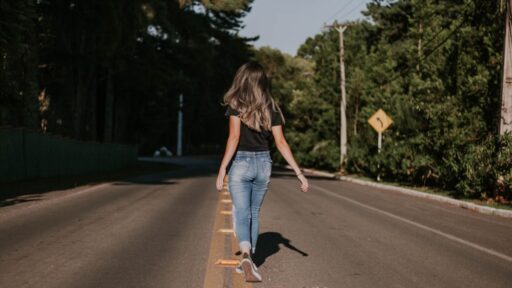
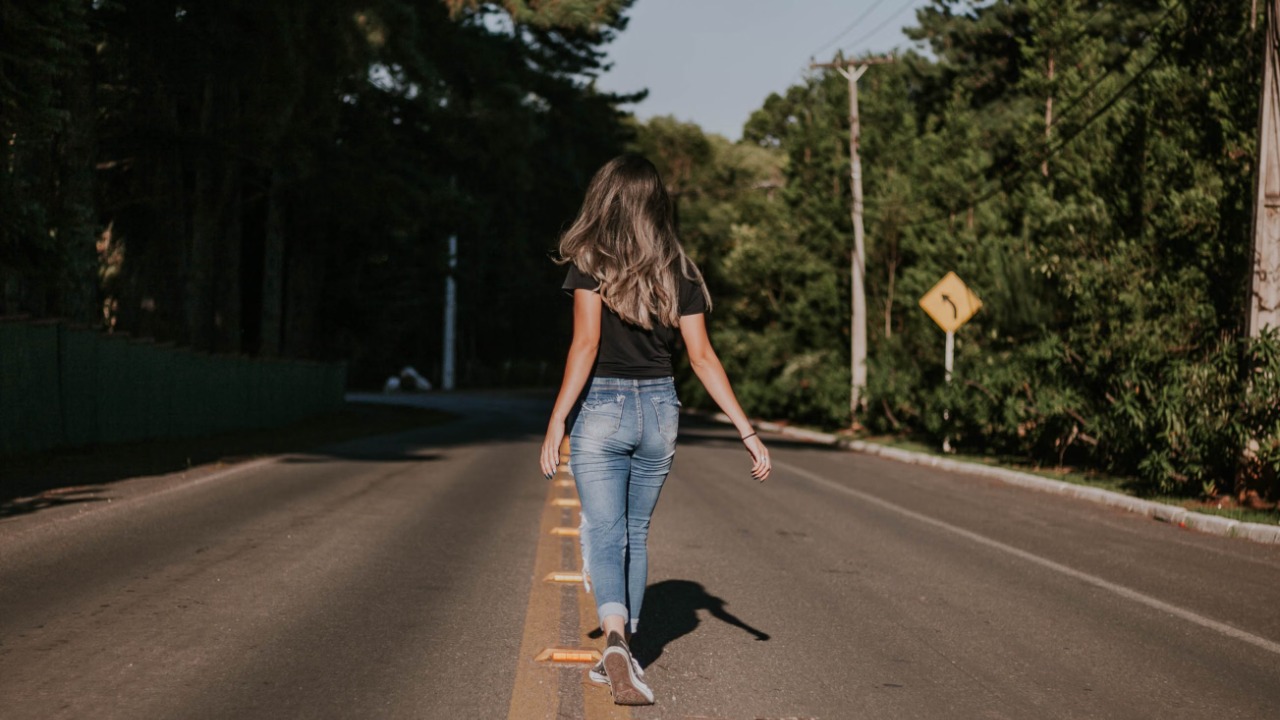

Walking backwards may look like an unusual fitness trend, but it has been used in rehabilitation and sports training for decades. Also called backward walking or retro walking, the movement changes how the feet contact the ground, how the leg muscles work and how the brain manages balance.
Research suggests that supervised backward-walking exercises may improve balance, walking ability and lower-body control. They may also reduce certain types of knee loading and support rehabilitation for people with knee osteoarthritis or neurological conditions.
That does not make backward walking a miracle exercise. Much of the available evidence comes from relatively small studies, rehabilitation programmes and short training periods. It should generally be treated as a supplement to ordinary walking, strength training and clinically recommended treatment—not a replacement for them.
Backward Walking Forces the Body to Learn a Different Movement Pattern
Normal forward walking is highly automatic. The brain has practised the movement thousands of times, allowing a person to move while paying relatively little conscious attention to each step.
Walking backwards removes much of that familiarity. The person cannot see the landing area as easily, the feet contact the ground differently and the usual sequence of muscle activity changes. The nervous system must rely more heavily on balance, body awareness and information from the joints and muscles.
This increased demand is one reason backward walking is used in rehabilitation. It challenges the body to control movement under less familiar conditions rather than simply repeating an already well-practised gait.
The US Centers for Disease Control and Prevention includes backward walking among activities that can challenge balance in older adults. Balance exercises can help maintain stability and reduce the likelihood of falls, although people with an existing fall risk may need supervision or physical support while practising. The CDC’s guidance on balance activity for older adults also identifies standing on one leg and wobble-board exercises as possible options.
It May Improve Balance and Body Awareness
Backward movement requires proprioception—the body’s ability to sense where its limbs are positioned without looking directly at them.
With every backward step, the nervous system must estimate foot placement, control the centre of mass and respond to small changes in the walking surface. This may train coordination between sensory information and muscular responses.
A systematic review of backward-walking training found that it may improve balance among people at elevated risk of falling. However, the authors described the evidence as preliminary because the included studies were relatively small and varied in their methods.
Backward-walking speed is also used as a clinical measure of balance and mobility. A 2024 systematic review concluded that short backward-walk tests appear to be valid and reliable across several patient populations, making them potentially useful for measuring rehabilitation progress.
These findings do not mean walking backwards will automatically prevent falls. They indicate that the movement can expose and train aspects of balance that ordinary forward walking may not challenge as strongly.
Backward Walking Changes How the Knees Are Loaded
One of the most investigated uses of backward walking involves knee pain and osteoarthritis.
When someone walks backwards, the foot commonly contacts the ground with the toes or forefoot before moving toward the heel. Step length becomes shorter, movement slows and the ankle takes on a different role in controlling the body.
Biomechanical research involving healthy participants found that backward walking reduced measures associated with loading in the inner compartment of the knee. The researchers concluded that the movement may be a useful strategy for reducing certain knee loads, although one component of the ground-reaction force increased.
The result is important because knee loading is not simply lower in every direction. Backward walking redistributes forces rather than making the legs weightless. Its effect can therefore depend on the particular injury, joint condition and walking technique.
A person should not assume that any exercise performed backwards is automatically safe for every knee problem. Rehabilitation exercises need to be matched to the diagnosis.
Studies Suggest Benefits for Knee Osteoarthritis
Clinical trials have examined whether retro walking can help people with mild or moderate knee osteoarthritis.
In one randomized study, a six-week backward-walking programme produced greater reductions in pain and disability than forward walking or a control programme. Participants also improved quadriceps strength and functional performance.
A broader systematic review and meta-analysis concluded that backward walking combined with conventional physiotherapy appeared clinically useful for knee osteoarthritis. The researchers found insufficient evidence to draw equally strong conclusions for several other gait-related conditions.
A more recent meta-analysis similarly reported moderate-to-large improvements in pain and disability when backward-walking exercises were added to rehabilitation. It also stressed that future studies need to clarify whether backward walking works effectively on its own and whether improvements remain over longer periods.
This distinction is essential. Most successful programmes did not ask patients to abandon conventional treatment. Backward walking was added to strengthening, mobility work or physiotherapy.
It May Support Stroke Rehabilitation
Backward walking has also been studied in people recovering from stroke, where impaired balance, weakness and changes in gait can make ordinary movement difficult.
A systematic review concluded that backward-walking interventions may improve selected measures of balance, gait and walking ability after stroke. However, differences between the studies and the limited number of participants mean the findings should be interpreted cautiously.
In a pilot randomized trial involving people with acute stroke, backward-walking training produced greater improvements in both forward and backward walking speed than standing-balance training.
These programmes were supervised rehabilitation interventions, not independent home challenges. A person recovering from stroke may have weakness, visual-field problems or impaired balance that makes unsupervised backward walking dangerous.
The evidence supports backward walking as a tool that trained therapists may use—not as a universal exercise prescription for every neurological condition.
The Same Speed Can Feel More Demanding
Backward walking can raise heart rate and oxygen use more than forward walking performed at the same speed.
A physiological study comparing graded forward and backward walking found that the backward condition placed greater cardiovascular and metabolic demands on participants.
This happens partly because the movement is unfamiliar and mechanically less efficient. Muscles must work in different patterns, balance requires more attention and the body cannot rely as heavily on its normal walking rhythm.
That extra demand can make a short period of retro walking feel surprisingly intense. It may provide variety during a workout without requiring running speed, but it should not be promoted as a shortcut that produces dramatic weight loss.
Energy use depends on speed, incline, body size, technique and total exercise duration. A few minutes of backward walking will not compensate for an otherwise inactive lifestyle or consistently excessive calorie intake.
It Activates the Legs Differently
Backward walking does not simply play ordinary walking in reverse. The sequence of joint movement and muscular effort changes.
Research comparing forward and backward gait found that the ankle becomes particularly important for propulsion and shock absorption during backward movement. Hip and knee moments also follow different patterns.
The quadriceps, calves, muscles around the ankles and hip stabilizers may therefore experience a different challenge from the one created by normal walking. That variation can be useful for athletes or rehabilitation patients who need to improve control across more than one movement direction.
However, muscle activation should not be confused with guaranteed muscle growth. Significant increases in strength or muscle mass generally require progressive resistance and sufficient training volume. Retro walking can complement strength training, but it is not a complete substitute for exercises such as carefully selected squats, step-ups or resistance work.
How to Begin Without Creating a Fall Hazard
The main immediate risk is obvious: a person cannot clearly see obstacles behind them. Uneven pavement, curbs, furniture, other people and traffic can turn a balance exercise into an accident.
A beginner should practise in a flat, uncluttered area with good lighting. A hallway with a handrail, an empty indoor track or a supervised rehabilitation space can be safer than a busy pavement.
Steps should remain short and slow. The torso should stay upright, and the person should avoid constantly twisting the neck to look over one shoulder. A partner can provide guidance, or the movement can be performed near a stable support.
Backward treadmill walking requires additional caution. The speed should be extremely low at the beginning, and the safety clip and handrails should be used while the movement is being learned. Stepping onto a moving treadmill backwards should be avoided.
People with dizziness, severe balance impairment, recent surgery, significant vision problems, uncontrolled joint pain or neurological conditions should obtain professional guidance before trying the exercise. Pain, instability or joint locking are reasons to stop rather than push through.
It Works Best as a Small Addition to a Complete Programme
Backward walking offers a useful challenge because it demands attention, balance and muscular coordination in a way that forward walking does not.
The strongest evidence currently concerns rehabilitation, particularly balance training, stroke recovery and knee osteoarthritis. Even in those areas, studies are often small, and backward walking is commonly combined with other treatment.
For a healthy adult, a few controlled minutes can add movement variety and make a familiar walking session more demanding. It should still sit within a broader programme that includes forward aerobic activity and muscle strengthening. The CDC recommends at least 150 minutes of moderate-intensity aerobic activity each week, together with strength training on at least two days.
Walking backwards is valuable not because it reverses ageing or cures joint disease, but because it asks the body to solve a new movement problem. When practised safely, that challenge may improve balance, coordination and lower-body function while giving an ordinary walk a completely different purpose.