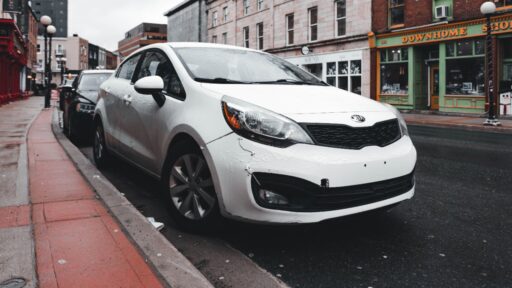
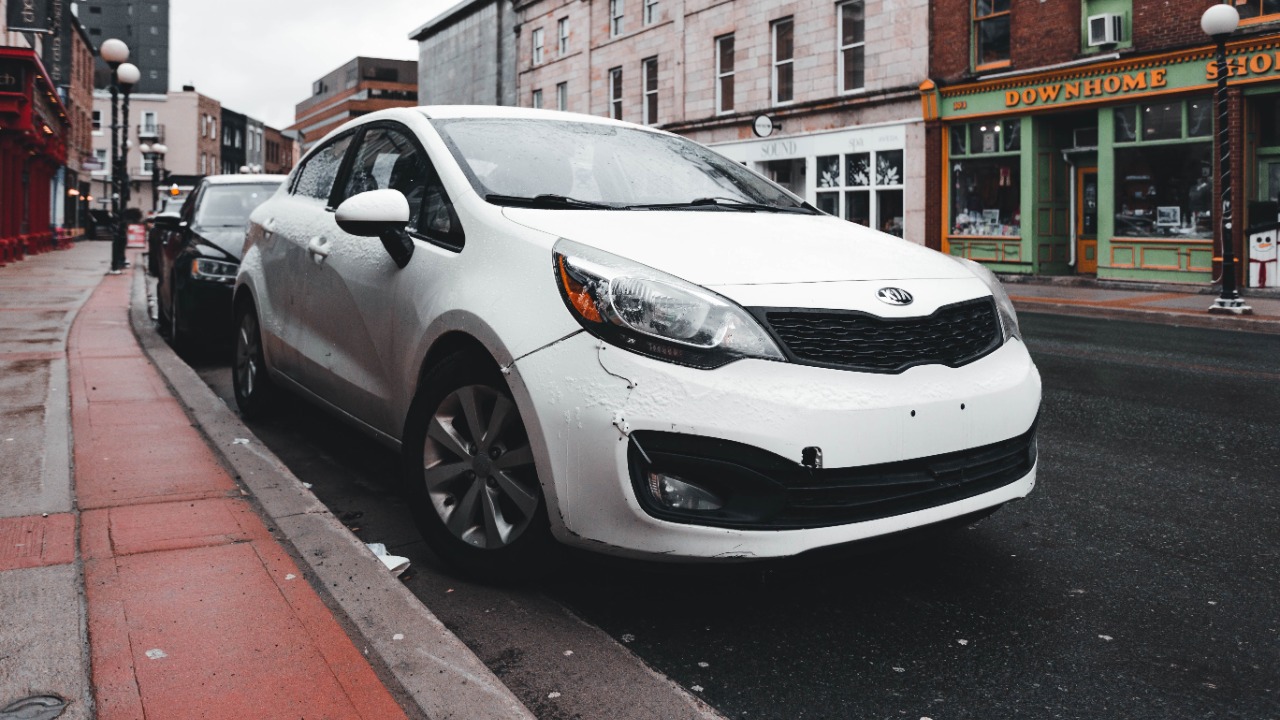

A security weakness amplified by viral social-media videos transformed several Hyundai and Kia models from ordinary, affordable vehicles into some of America’s most frequent theft targets.
The Hyundai Elantra remained the most stolen vehicle in the United States in 2025, with 21,732 reported thefts. The Hyundai Sonata ranked third with 17,687 thefts, while the Kia Optima placed sixth with 11,521. Those numbers came despite a historic nationwide decline in vehicle crime.
The trend did not result from thieves discovering how to hack sophisticated onboard computers. It largely affected certain older vehicles with traditional keyed ignitions that lacked an electronic engine immobilizer. Once videos demonstrated how quickly the ignition weakness could be exploited, theft attempts spread across American cities.
Hyundai and Kia have since introduced software updates, physical ignition protections and other security measures. Theft numbers are falling, but the latest rankings show how long a vehicle can remain a target after a vulnerability becomes widely recognized.
What the Viral “Hack” Actually Exploited
The theft method commonly associated with the “Kia Challenge” or “Kia Boyz” trend affected selected Hyundai and Kia vehicles built without electronic immobilizers.
An immobilizer prevents the engine from starting unless the vehicle detects the correct coded key or another authorized signal. Without that protection, damaging the mechanical ignition assembly could allow a thief to start certain affected vehicles with simple tools.
The USB cable frequently mentioned in reports was not connected to a computer system or used to inject malicious code. Its shape could reportedly be used as a crude turning tool after the ignition had already been damaged. The central vulnerability was the missing immobilizer, not an advanced digital attack.
According to the Insurance Institute for Highway Safety and Highway Loss Data Institute, immobilizers were standard on only 17 percent of Hyundai and Kia models from the 2011 model year, compared with 92 percent of vehicles from other manufacturers. The gap narrowed over time, and all Hyundai and Kia models had standard immobilizers by the 2023 model year.
Social Media Turned a Design Weakness Into a Nationwide Trend
A security weakness does not automatically produce a national crime wave. The situation escalated when videos showing the method spread through TikTok and other social-media platforms.
The videos reduced the knowledge and experience needed to attempt a theft. People who had never participated in organized vehicle crime could imitate what they saw using inexpensive tools. Even unsuccessful attempts often left vehicles with broken windows, damaged steering columns and unusable ignition systems.
The Associated Press reported that Minneapolis experienced an 836 percent increase in Hyundai and Kia thefts between 2021 and 2022. The consequences extended beyond stolen property. Stolen vehicles were involved in crashes, injuries and deaths, including incidents involving teenagers.
The problem also became self-sustaining. Even after vulnerable cars received security updates, some thieves continued targeting them based only on the badge. Owners could return to find a broken window and destroyed ignition despite the vehicle no longer being easy to start.
IIHS data showed that vandalism claims for Hyundai and Kia models rose substantially during the theft wave. Failed attempts commonly produced damage even when the entire vehicle was not taken.
Hyundai and Kia Dominated the Theft Rankings
The scale of the trend became visible in national rankings.
In 2023, Hyundai and Kia occupied six positions among the ten most stolen vehicle models, including the first three places. Their rise displaced full-size pickup trucks, which had traditionally dominated the list because of their large numbers, valuable parts and strong resale demand.
The pattern continued into 2024. The Hyundai Elantra recorded 31,712 thefts, followed by the Hyundai Sonata with 26,720. The Kia Optima ranked fifth with 17,493 thefts.
The numbers improved considerably in 2025, but Hyundai and Kia models remained prominent. The Elantra stayed in first place, the Sonata ranked third and the Optima remained sixth. Together, the two manufacturers accounted for 14 percent of all stolen vehicles, down from 21 percent in 2023.
That decline suggests the security response is working. It also shows that reputational momentum can last longer than the original technical vulnerability.
“Most Stolen” Does Not Always Mean Highest Individual Risk
National rankings count the total number of reported thefts for each model. They do not automatically show which vehicle has the greatest chance of being stolen.
A widely owned car can generate a high theft total even when its individual risk is moderate. A rare performance car may produce fewer total thefts but have a much higher theft rate relative to the number insured.
The National Insurance Crime Bureau’s list therefore answers a specific question: which models were stolen the greatest number of times? It does not adjust for how many Elantras, Sonatas or Optimas were on American roads.
Insurance-based studies may produce different rankings because they calculate claims per insured vehicle-year. Recent HLDI data, for example, has identified performance vehicles such as the Chevrolet Camaro ZL1 as having exceptionally high adjusted theft frequencies, even though those models do not lead the national list by total thefts.
The distinction does not make the Hyundai and Kia figures unimportant. Tens of thousands of thefts still represent a major burden for owners, insurers, repair shops and police departments.
The Anti-Theft Software Has Reduced Successful Thefts
Hyundai and Kia began offering free anti-theft software in February 2023 for many affected vehicles.
The update changes how the alarm and ignition systems interact. Once the vehicle is locked with the key fob, it should not start without the correct key in the ignition. Eligible vehicles also receive a window sticker intended to warn potential thieves that the update has been installed.
HLDI found that updated vehicles had 53 percent fewer theft-related claims than eligible vehicles without the software. Whole-vehicle theft claims were reduced by 64 percent.
The software is not available for every vulnerable model because some vehicles lack the alarm hardware needed to support it. Physical measures, including ignition-cylinder protectors and steering-wheel locks, have therefore been offered for certain cars that cannot receive the electronic update.
The upgrade also depends on correct use. IIHS noted that the software-based immobilizer may activate only when the vehicle is locked using the key fob. An owner who locks the doors using the interior switch may not receive the same protection.
A Nationwide Settlement Requires More Repairs
A settlement involving 35 states requires Hyundai and Kia to provide free repairs for approximately nine million eligible vehicles sold between the 2011 and 2022 model years.
The agreement could cost the companies more than $500 million. It requires additional physical protections, including a zinc sleeve designed to prevent thieves from breaking open the ignition cylinder. The companies must also provide up to $4.5 million in restitution and install immobilizers in all future vehicles sold in the United States.
Repairs are expected to become available in phases from early 2026 through early 2027. Eligible owners will have a limited period after receiving notice to complete the work at an authorized dealership.
Owners should not assume that their vehicle has already been repaired simply because it was purchased used or previously visited a dealership. Eligibility and update status should be confirmed using the vehicle identification number and the manufacturer’s official resources.
Why Theft Numbers Are Finally Falling
America recorded 659,880 vehicle thefts in 2025, a 23 percent decline from 2024 and the lowest national total in several decades. That followed a 17 percent reduction in 2024, which had been the largest annual decline in 40 years.
Hyundai and Kia thefts fell as more vehicles received updates, physical protections became available and thieves encountered cars that could no longer be started using the viral method. Reuters reported that thefts involving the two manufacturers dropped by approximately 37.5 percent in 2024.
Improved availability of new vehicles and replacement parts may also have reduced incentives for professional theft rings. Police enforcement, public awareness and better cooperation among manufacturers, insurers and investigators contributed to the broader national decline.
The problem remains substantial. Even after the decline, one vehicle was stolen approximately every 48 seconds in the United States during 2025.
What Hyundai and Kia Owners Can Do Now
Owners of keyed-ignition Hyundai and Kia vehicles from the affected period should contact an authorized dealership and ask whether their vehicle qualifies for the software update, ignition-cylinder protection or another free security measure.
A visible steering-wheel lock can provide an additional deterrent because it signals that the vehicle cannot be driven away easily. Parking in a well-lit location, removing valuables, closing windows and using a secure garage when available can reduce opportunity. NICB also recommends alarms, kill switches and tracking devices as additional layers of protection.
Insurance coverage should also be reviewed. Some insurers previously restricted coverage or increased prices for particular affected models. Security upgrades may affect eligibility or premiums, although policies and requirements vary by provider and location.
The Viral Trend Is Fading, but Its Damage Remains
The Hyundai Elantra’s position as America’s most stolen vehicle does not mean every Elantra is vulnerable. Push-button models, vehicles with factory immobilizers and properly updated cars may have substantially different levels of protection.
The larger lesson is how quickly a design decision can become a national security problem once exploit information spreads online. A missing component that attracted limited attention for years became widely known, easily copied and costly for millions of owners.
Hyundai and Kia have reduced successful thefts through software and hardware repairs, while national vehicle-theft numbers have fallen sharply. Yet the Elantra, Sonata and Optima remain near the top of the rankings because thieves do not always know which individual cars have been fixed.
The original weakness made the vehicles easy targets. The viral trend made them recognizable targets and that reputation will take longer to repair than an ignition system.