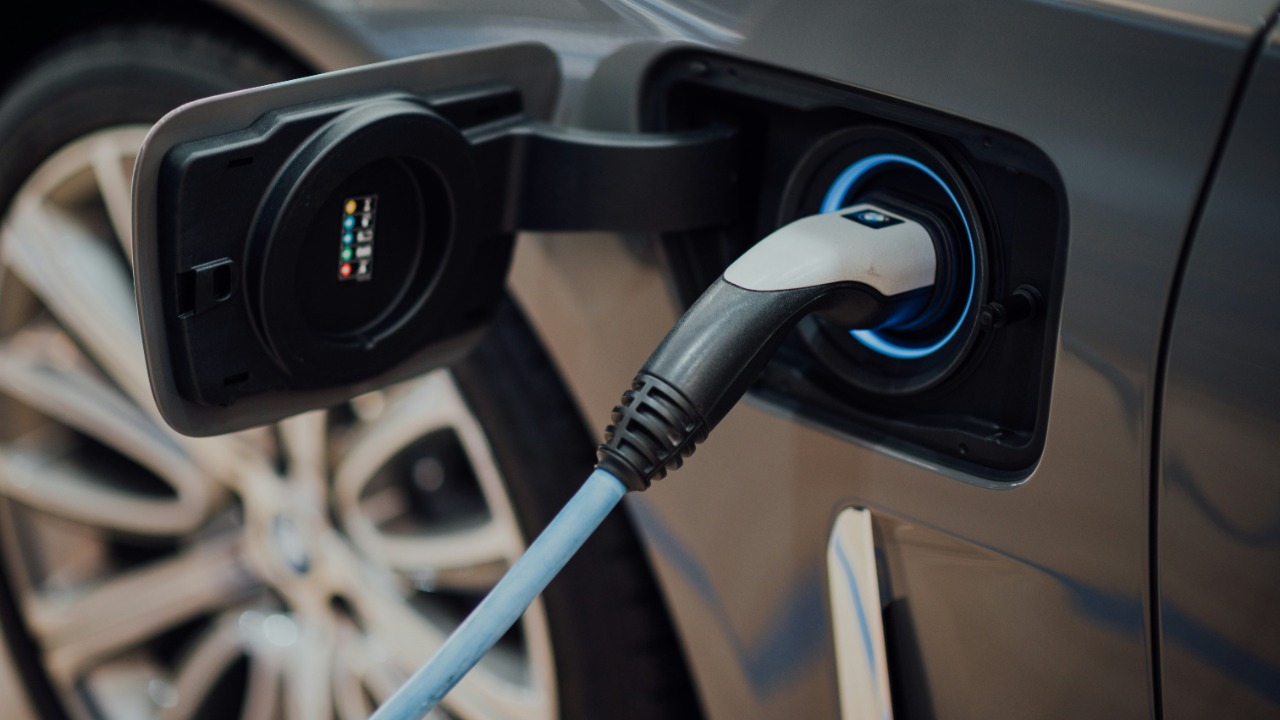

Electric vehicles are no longer confined to luxury garages or experimental fleets. American roads now carry battery-powered sedans, family crossovers, three-row SUVs and adventure vehicles capable of travelling more than 400 miles on a charge.
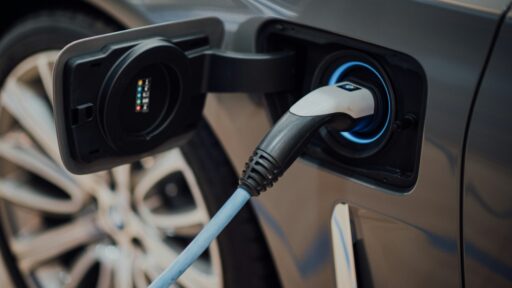
The market has also become more practical. Several current models offer around 300 miles of EPA-estimated range, while growing access to home and public charging makes an EV easier to integrate into ordinary commuting. The US Department of Energy reports that most owners charge at home, usually overnight with Level 1 or Level 2 equipment, although public fast charging remains important for road trips and drivers without private parking.
The following eight electric cars are not distant concepts or vehicles awaiting an uncertain launch. They represent the variety already available to American drivers in 2026.
1. Chevrolet Equinox EV
The Chevrolet Equinox EV brings battery power into the familiar compact-family-crossover category. Rather than presenting itself as an exotic technology product, it is designed around the practical priorities that already make gasoline crossovers popular.
Chevrolet’s current 2026 model page advertises more than 300 miles of EPA-estimated range, seating for five and as much as 57.2 cubic feet of cargo capacity. That combination makes it suitable for commuting, school transportation and longer weekend journeys without requiring buyers to move into a large premium SUV.
Its significance comes from accessibility. The Equinox EV demonstrates that a long-range electric vehicle can be packaged as a mainstream Chevrolet rather than a specialist environmental purchase.
2. Tesla Model Y
The Model Y remains one of the most recognizable electric vehicles on American roads. Its crossover shape, strong acceleration, large central display and access to Tesla’s charging ecosystem have helped move electric driving into the mass market.
Tesla’s current configurator lists Model Y versions with EPA-estimated ranges exceeding 300 miles, depending on the selected drivetrain and configuration. The vehicle seats five and combines hatchback cargo flexibility with the driving position many American crossover buyers prefer.
Its interior is intentionally minimal, which appeals to drivers comfortable controlling most functions through a touchscreen. Others may prefer more physical controls and a conventional dashboard. Even so, the Model Y remains an important reference point against which many newer electric crossovers are compared.
3. Hyundai IONIQ 5
The Hyundai IONIQ 5 stands out through its retro-futuristic design, spacious cabin and fast-charging electrical architecture. It looks more like a compact hatchback in photographs, but its long wheelbase creates passenger space closer to that of a midsize crossover.
Hyundai says the 2026 IONIQ 5 offers up to 303 miles of EPA-estimated range and as much as 320 horsepower with available HTRAC all-wheel drive. The model is also offered in several configurations, allowing buyers to prioritize price, range, traction or performance.
Another useful feature is vehicle-to-load capability, which allows the battery to supply electricity to compatible appliances and equipment. This can support camping, outdoor work or limited backup needs, although it should not be confused with a full household energy-storage system.
4. Ford Mustang Mach-E
The Mustang Mach-E does not attempt to reproduce a traditional two-door Mustang with an electric motor. It uses the Mustang name for a five-seat crossover that combines everyday practicality with performance-oriented styling.
Ford lists up to 320 miles of EPA-estimated range for the 2026 Mach-E, depending on battery, drivetrain and trim. Rear-wheel drive and electric all-wheel drive are available, while GT and Rally versions emphasize acceleration and stronger performance.
The Mach-E may appeal to drivers who want an EV from a long-established American manufacturer but do not need the bed or towing-focused design of an electric pickup. Its conventional dealer network may also be useful for buyers who prefer local test drives and in-person servicing.
5. Honda Prologue
The Honda Prologue offers one of the least intimidating transitions from a gasoline SUV to an electric vehicle. Its exterior proportions, cabin layout and crossover practicality feel more conventional than those of many aggressively styled EVs.
Honda’s 2026 specifications list an EPA range of up to 308 miles for front-wheel-drive EX and Touring versions. All-wheel-drive configurations offer up to 300 horsepower, while DC fast charging can take the battery from 20 to 80 percent in approximately 35 minutes under suitable conditions.
The Prologue also includes Google built-in, wireless Apple CarPlay and wireless Android Auto. These familiar systems may matter more in daily ownership than dramatic acceleration figures, particularly for families seeking straightforward navigation and smartphone integration.
6. Kia EV9
Most early electric vehicles were sedans or compact crossovers. The Kia EV9 expanded the market by providing three rows of seating in a fully electric SUV.
Kia’s 2026 EV9 is available in rear-wheel-drive and all-wheel-drive forms, with several trims ranging from more accessible family configurations to higher-performance versions. Its upright body and available lounge-style second-row seating make it a genuine alternative for households that might otherwise consider a large gasoline-powered family SUV.
The EV9 also uses an 800-volt charging architecture designed to support rapid DC charging at compatible stations. Actual charging speed still depends on battery temperature, charger output and the battery’s starting state of charge.
Its main limitation is size and cost. Drivers who rarely use the third row may obtain better efficiency and lower pricing from a smaller crossover. For larger families, however, the EV9 addresses a segment that was previously underserved by electric vehicles.
7. Rivian R1S
The Rivian R1S is designed for buyers who want an electric SUV with genuine off-road and adventure capability. It offers three rows, seating for up to seven and multiple motor and battery configurations.
Rivian currently advertises as much as 410 miles of range on selected R1S versions. High-performance Quad-Motor models can accelerate from zero to 60 mph in less than three seconds, illustrating how electric drivetrains can combine large-SUV utility with sports-car acceleration.
The R1S is positioned well above mainstream crossovers in price, but it provides a distinctive combination of cargo space, ground clearance, advanced software and outdoor capability. A production R1S has even completed California’s difficult Rubicon Trail, demonstrating that its rugged styling is supported by meaningful off-road engineering.
8. Lucid Air Pure
SUVs dominate the current EV market, but the Lucid Air shows that an electric sedan can still offer compelling advantages. Its low aerodynamic shape supports exceptional efficiency and long-distance range without requiring an enormous battery-powered body.
The current Lucid Air Pure is rated for up to 420 miles of EPA-estimated range. Lucid also states that it can recover as much as 200 miles of driving range in approximately 16 minutes when connected to suitable high-power charging equipment under ideal conditions.
The Air Pure remains a premium vehicle, but it demonstrates what electric engineering can achieve when efficiency, aerodynamics and range receive greater priority than SUV proportions. Its long range may be particularly attractive to frequent highway drivers who want fewer charging stops.
Range Is Only One Part of Choosing an EV
The model with the highest advertised range is not automatically the best choice. A household covering 30 miles per day and charging overnight may rarely use the final 100 miles of a large battery.
Charging access is often more important. The Department of Energy notes that many EV owners can meet their routine driving needs through overnight home charging. Drivers living in apartments or relying entirely on public stations need to examine local charger availability, pricing and connector compatibility before purchasing.
Buyers should also compare passenger space, insurance premiums, winter range, wheel and tire costs, cargo capacity and charging speed. EPA range testing provides a standardized comparison, but actual distance varies with temperature, speed, elevation, climate-control use and driving style.
A daily commuter may be well served by the Equinox EV, IONIQ 5 or Prologue. A performance-oriented driver may prefer the Model Y or Mach-E. Larger families can consider the EV9 or R1S, while the Lucid Air offers one of the longest ranges available in an American-market electric sedan.
Electric Cars Have Entered the Mainstream
These eight vehicles show how far the American EV market has moved beyond the early choice between a small short-range hatchback and an expensive luxury sedan.
There are now electric models for mainstream families, long-distance drivers, outdoor enthusiasts and households requiring three rows of seats. Charging and affordability remain obstacles, especially for renters and rural drivers, but the vehicles themselves increasingly match the range and practicality expected from conventional cars.
The strongest evidence of progress is no longer an announcement about what manufacturers plan to build. It is the growing variety of electric cars already travelling on American roads.