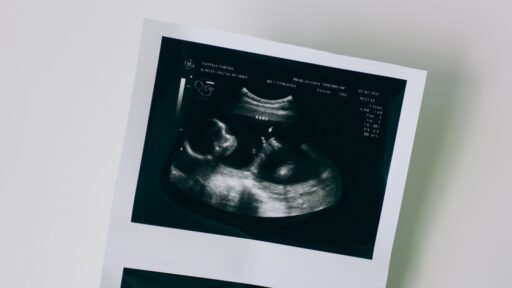
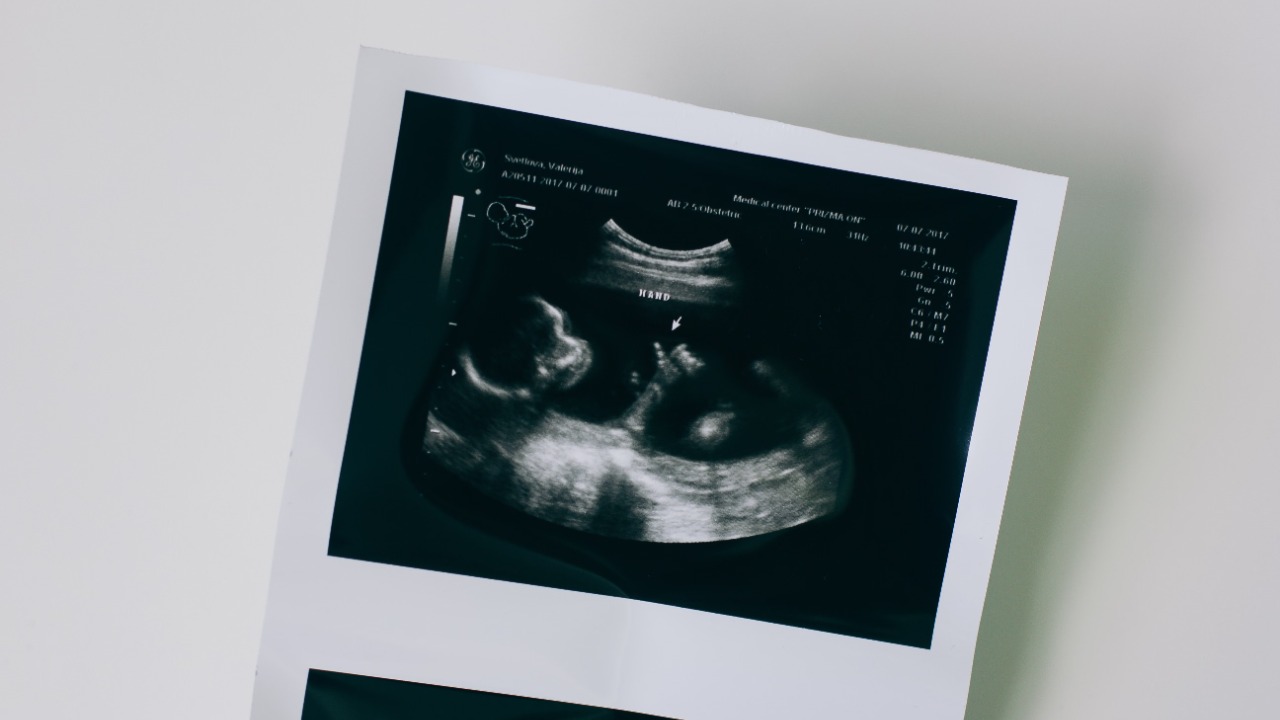

Gene editing in human embryos has moved from theoretical possibility to demonstrated reality, with a new experiment showing that scientists can tweak DNA with a level of accuracy that once sounded like science fiction. The work, carried out under strict laboratory controls and without any intent to start a pregnancy, pushes the frontier of reproductive medicine and reignites a global argument about how far society should go in redesigning human life.
Researchers say the technique sharply reduced the genetic errors that have plagued earlier attempts at embryo editing, raising the prospect of correcting inherited diseases before they ever take hold. At the same time, the findings underscore how many scientific, ethical, and regulatory questions remain unsettled.
How the latest embryo experiment sharpened gene editing
The new research used CRISPR-based tools to alter DNA in very early human embryos, targeting specific genes linked to serious inherited disorders. According to detailed descriptions of the work, the team focused on embryos created for fertility treatment that were not going to be implanted, a longstanding practice in this area of research that keeps the work within current legal and ethical limits in the United States. The scientists reported that they were able to make edits with far fewer unintended changes than in earlier trials, which had raised alarms about off-target damage to the genome.
In previous experiments, CRISPR edits often produced so-called mosaic embryos, in which some cells carried the corrected gene and others did not. By contrast, the new study found a much higher share of embryos in which every analyzed cell carried the intended change, suggesting that the timing and delivery of the editing machinery had been refined. Reporting on the study noted that the researchers carefully sequenced the embryos to look for stray cuts or rearrangements in the DNA and saw fewer such problems compared with earlier efforts, a key step toward any future clinical use of the technology. Those results were described in detail in coverage of the CRISPR embryos experiment.
The team also appears to have improved how they introduce the editing tools into the embryo. Instead of relying solely on standard CRISPR cuts, they combined approaches that can swap single DNA letters or small stretches of code with greater control. That hybrid strategy, along with tighter control of when the edits occur relative to fertilization, likely contributed to the higher precision. Scientists quoted in follow-up analysis stressed that the embryos were kept only for a limited number of days in culture, then destroyed, in line with current research rules.
Despite the technical gains, specialists who reviewed the data have flagged remaining uncertainties. Some worry that even a small number of undetected off-target edits could cause cancer or other diseases later in life if such embryos were ever brought to term. Others point out that the study looked at a limited number of genes and embryos, which makes it hard to generalize the findings to the wide array of possible disease targets. A separate account of the work emphasized that while the edits appeared clean in the sequences examined, there is still no way to fully predict how these changes might interact with a person’s broader genetic background, a concern raised in coverage of the remaining questions around the experiment.
Why this embryo gene editing milestone carries such high stakes
The immediate medical appeal of this research is clear. Many of the genes under consideration are linked to devastating single-gene disorders that can strike children early and leave families with few treatment options. If doctors could reliably fix those mutations in an embryo, parents who carry harmful variants of genes such as those linked to hypertrophic cardiomyopathy or certain forms of muscular dystrophy might have the option of having a genetically related child without passing on the disease. Reporting on the new work noted that the scientists framed their goal in exactly those terms, as a way to prevent inherited illness rather than to enhance traits.
Yet the same techniques that might one day prevent a lethal heart condition could, at least in principle, be used for nonmedical traits. That possibility sits at the center of a renewed ethical debate. Religious commentators have warned that editing the human germ line, which affects not just one individual but all of their descendants, risks treating children as products to be optimized rather than as gifts. One Catholic writer, responding directly to the new research, argued that the work edges toward a form of “manufacturing” human beings and violates the idea that human life should not be engineered for preference or convenience, a concern explored in a faith based critique of embryo editing.
Bioethicists who are not grounded in religious traditions have raised overlapping worries. They point to the risk of widening inequality if expensive embryo editing technologies become available only to wealthy families, who could then reduce their children’s disease risk or even enhance certain traits. That scenario could deepen social divides along genetic lines. Another concern is consent. Future children cannot agree to have their DNA altered in ways that will affect every cell in their bodies, and those changes will be passed to future generations without their say.
Regulators are also watching closely. In the United States, federal funds cannot be used for research that creates or destroys human embryos, which has pushed much of this work into privately funded labs. Clinical use of edited embryos is effectively blocked by the Food and Drug Administration, which has been barred by Congress from reviewing applications that involve heritable genetic modification. Coverage of the latest findings notes that these legal barriers remain in place, even as the science advances. Other countries have drawn firmer lines. Some European nations prohibit any germ line editing, while others allow limited research but ban implantation of edited embryos.
Public reaction so far reflects a mix of hope and anxiety. Some patient advocacy groups see this research as a possible path to ending the transmission of specific inherited diseases within affected families. At the same time, polls have consistently found that people are far more comfortable with editing to prevent serious illness than with any attempt to change traits like intelligence or appearance. News reports on the new study highlight that divide, with scientists stressing disease prevention while critics worry about a slippery slope toward designer children. One broadcast segment on the work framed the experiment as a “breakthrough” but paired it with interviews that emphasized the need for strict oversight, as seen in coverage of the embryo DNA editing study.
What researchers, regulators, and society are likely to confront next
For now, the path from precise embryo editing in a lab dish to a clinical procedure in fertility clinics remains blocked. Scientists involved in the work have said that several hurdles must be cleared before any move toward pregnancy could even be considered. Those include repeating the experiments in larger numbers of embryos, testing additional disease genes, and improving methods to detect rare off-target effects. Independent teams will also need to replicate the findings to confirm that the reported precision is not a fluke of one laboratory’s methods. A summary of the study stressed that the embryos were not implanted and that any such step would require a separate layer of ethical and regulatory review, a point echoed in a report describing the reported breakthrough.
Beyond the lab, international bodies are likely to revisit guidelines on human germ line editing. Previous summits of scientists and ethicists have called for a global moratorium on clinical use of edited embryos until safety, efficacy, and governance frameworks are better defined. The new evidence of increased precision will probably sharpen those discussions. Some experts argue that the world should move toward a tightly regulated system that allows limited use of embryo editing for clearly defined, serious genetic diseases when no other options exist. Others insist that any clinical use would cross a line that cannot be safely policed, especially as private clinics in lightly regulated jurisdictions look for a competitive edge.