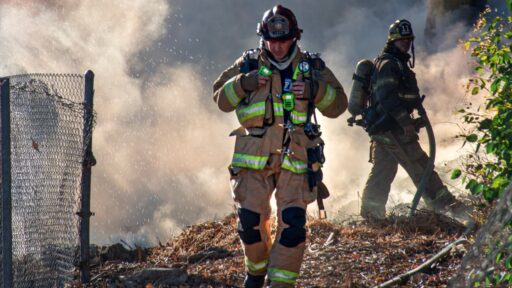
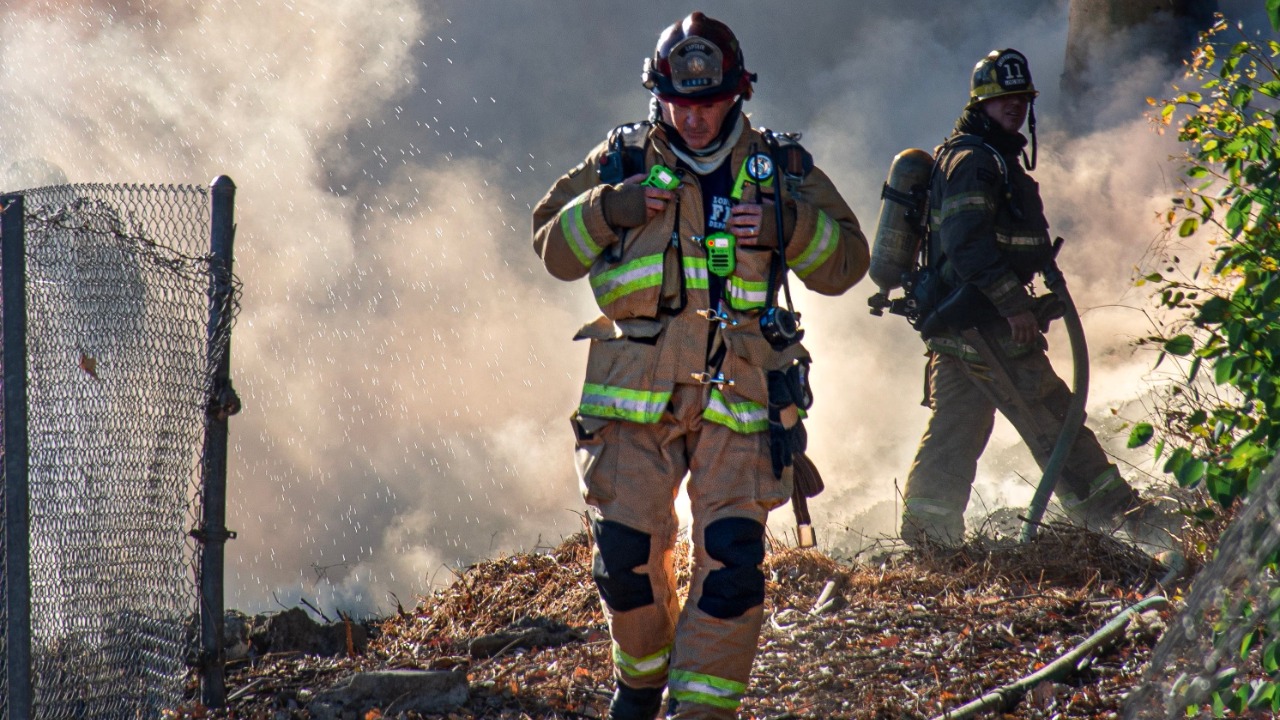

Wildfire crews are battling dozens of large fires across the United States as hot, dry, windy conditions continue to fuel dangerous fire behavior in several regions. The latest national fire updates show that firefighters are working through a difficult stretch of the season, with large incidents burning across multiple states and thousands of personnel assigned to suppression efforts.
The National Interagency Fire Center remains the main official source for national wildfire activity, and its daily National Fire News updates track large fires, new starts, acres burned, personnel assigned, and national preparedness levels. Recent NIFC updates have shown large-fire activity fluctuating from day to day, with dozens of uncontained or active large fires burning across the country and year-to-date burned acreage already running well above normal.
That daily movement is important. A national count of 37 large blazes can change quickly as new fires grow, crews contain older incidents, and weather shifts across the West, Southwest, Alaska, and other fire-prone areas. But the broader message is clear: the 2026 fire season is already placing heavy pressure on firefighters, communities, and emergency managers.
Why 37 Large Fires Is a Serious National Load
A large wildfire is not just a line on a map. It can require engines, hotshot crews, aircraft, incident command teams, bulldozers, medical support, communications units, evacuations, road closures, shelter operations, and long-term planning. When dozens of large fires burn at the same time, the national response system has to prioritize resources carefully.
NIFC fire summaries show that wildfire activity has been running high this year, with tens of thousands of fires already burning millions of acres across the United States. When large incidents overlap, firefighters may be moved from one region to another, aircraft may be reassigned, and national preparedness levels may rise as demand increases.
A count of 37 large blazes does not mean every fire is equally dangerous. Some are burning in remote terrain. Others may threaten homes, power lines, highways, water supplies, grazing land, timber, tribal lands, recreation areas, or critical infrastructure. The danger depends on fuel, weather, terrain, containment, proximity to people, and the ability of crews to safely attack the fire.
Why Large Fires Are So Hard to Control
Large wildfires are difficult because they often burn under conditions that favor rapid spread. Dry grass, brush, timber, and dead vegetation provide fuel. Low humidity makes fuels more flammable. Wind pushes flames forward and can carry embers ahead of the main fire. Steep terrain makes access dangerous. Heat can weaken crews and reduce overnight recovery.
The National Weather Service explains that wildfire danger rises when dry fuels, high temperatures, low humidity, strong winds, and drought combine. These conditions can create explosive fire growth, especially when a small ignition reaches receptive fuel.
Once a fire grows large, control becomes much more complex. Crews may not be able to directly attack the flame front. Instead, they may build containment lines, protect structures, conduct burnout operations, use aircraft to slow spread, and wait for safer weather windows. Some fires take weeks to contain.
The Role of Weather in the Current Fire Fight
Weather drives wildfire behavior more than many people realize. A fire that is manageable in the morning can become dangerous by afternoon if winds increase and humidity drops. Thunderstorms can bring rain, but they can also produce lightning and erratic winds. A dry lightning outbreak can start multiple new fires in a single day.
Extreme heat is another major factor. Heat dries vegetation and makes firefighters’ work more dangerous. During prolonged hot spells, fine fuels such as grasses can ignite easily and spread quickly. Heavy fuels such as logs and timber can burn longer and make containment harder.
The National Interagency Coordination Center’s outlooks help fire managers watch areas of significant fire potential. These outlooks combine weather, fuel dryness, drought, lightning risk, and regional fire conditions to identify where new or existing fires may become harder to control.
Why the 2026 Season Has Raised Concern
This year’s wildfire season has already drawn attention because burned acreage has climbed quickly. Recent NIFC national updates reported more than 37,000 fires and more than 3.3 million acres burned so far this year, a total running above typical year-to-date levels. That means the country entered peak summer fire conditions with an already heavy burn footprint.
The scale matters because a busy early season can stretch personnel and equipment before the most dangerous late-summer periods arrive in many regions. Fire seasons do not progress evenly. Some weeks are quiet. Others explode with new starts, lightning, wind events, and rapid growth.
If several geographic areas become active at once, incident managers must make difficult choices about where to send crews, engines, aircraft, and supplies. That is when national coordination becomes critical.
Evacuations Show the Human Cost
Large wildfire numbers can sound abstract until evacuations begin. When fire behavior threatens homes or roads, local authorities may order residents to leave quickly. Evacuations can be stressful, confusing, and dangerous, especially for older adults, people with disabilities, families with pets, and rural communities with limited escape routes.
The Ready.gov wildfire guide recommends that households prepare evacuation plans before a fire starts. That includes knowing multiple routes, packing essential documents, medications, chargers, water, food, pet supplies, and emergency contacts.
Evacuation orders should be taken seriously. Wildfires can shift direction quickly when winds change. Smoke can reduce visibility. Roads can close with little warning. Leaving early can reduce panic and help emergency crews keep roads clear.
Smoke Can Travel Far Beyond the Flames
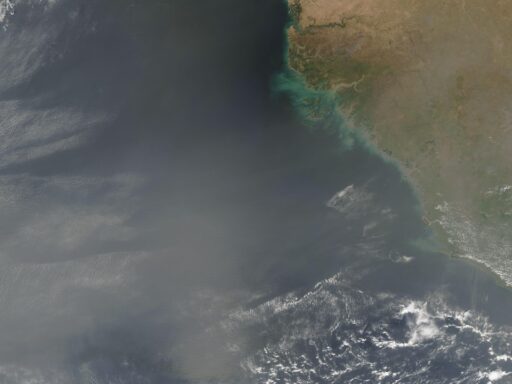
The impact of 37 large fires is not limited to the communities closest to the fire lines. Wildfire smoke can travel hundreds or thousands of miles, affecting air quality in cities and states far from the actual flames. Smoke can contain fine particles known as PM2.5, which can enter the lungs and bloodstream.
The Centers for Disease Control and Prevention warns that wildfire smoke can harm anyone, but children, older adults, pregnant people, outdoor workers, and people with heart or lung disease face higher risk. When smoke levels rise, people may need to stay indoors, use filtered air, reduce outdoor activity, and follow local air-quality guidance.
Smoke has become one of the most widespread wildfire hazards in the United States. A fire burning in one state can affect schools, sporting events, flights, outdoor workers, and hospital visits in another.
Why Firefighters Need National Coordination
Wildland firefighting is a national effort. Local departments, state agencies, tribal crews, federal land managers, contractors, aviation teams, and incident management teams often work together. When large fires multiply, coordination becomes essential.
NIFC and NICC help manage national resource movement. Crews may be assigned across state lines. Aircraft may be shifted to higher-priority fires. Incident management teams may take command of complex fires that exceed local capacity.
This system helps the country respond when one region is overwhelmed. But it also has limits. If many states experience major fires at the same time, resources can become stretched. That is when containment may take longer, and communities may face higher risk.
Why Some Fires Are Managed Differently
Not every wildfire is fought the same way. Some fires near homes or infrastructure require full suppression. Others burning in remote areas may be managed for ecological benefit if conditions allow. Fire is a natural part of many landscapes, and some ecosystems depend on periodic burning.
However, during extreme conditions, even remote fires can become dangerous if they grow rapidly or threaten communities later. Fire managers must balance firefighter safety, public safety, ecological goals, cost, and weather forecasts.
NIFC updates often distinguish between fires being suppressed and fires being managed under broader strategies. That distinction can matter when interpreting national fire counts.
The Importance of InciWeb for Local Updates
National fire summaries are useful, but local incident pages provide more detailed information for people near a specific fire. InciWeb is one of the most important sources for active wildfire updates, including maps, closures, evacuation information, containment progress, fire behavior, photos, and incident contacts.
Anyone living near a wildfire should follow local emergency management, sheriff’s offices, fire agencies, and official incident pages. National totals show the scale of the season, but local orders determine immediate action.
Rumors spread quickly during disasters. Official updates help residents avoid misinformation about road closures, evacuation zones, containment, shelters, and return timelines.
How Communities Can Reduce Risk
Communities cannot control every ignition or wind event, but they can reduce wildfire risk before flames arrive. Home hardening, defensible space, evacuation planning, fuel breaks, prescribed fire, vegetation management, and public warning systems all matter.
The U.S. Fire Administration explains that the wildland-urban interface is where homes and wildland vegetation meet or mix. This is where wildfire becomes a direct threat to neighborhoods. As more homes are built in these areas, wildfire planning becomes more urgent.
Simple steps can help. Clearing leaves from gutters, moving firewood away from structures, trimming vegetation, using fire-resistant materials, and keeping decks free of debris can reduce ember ignition risk. Many homes ignite from windblown embers rather than direct flame contact.
Why Human-Caused Fires Remain Preventable
Many wildfires are started by people. Campfires, fireworks, vehicles, equipment, power tools, debris burning, target shooting, and careless smoking can all start fires when conditions are dry. During high fire danger, one spark can become a major incident.
The U.S. Forest Service emphasizes that wildfire prevention is a shared responsibility. Following burn bans, properly extinguishing campfires, avoiding sparks, and checking trailer chains or vehicle parts can prevent new starts.
Prevention matters most during periods when crews are already stretched. Every preventable fire avoided frees resources for existing incidents.
Climate and Fuel Conditions Are Changing the Baseline
Wildfire activity is shaped by many factors, including land management, ignition sources, vegetation, drought, heat, wind, and development patterns. Climate change does not start every fire, but it can make fire conditions more severe by increasing heat, drying fuels, and lengthening fire seasons.
The EPA’s climate wildfire indicator notes that climate change has contributed to longer fire seasons and increased wildfire activity in parts of the United States. Warmer temperatures can dry vegetation faster and create conditions where fires grow larger and burn more intensely.
This changing baseline means communities that once treated wildfires as seasonal events now need to plan for longer periods of risk and more intense smoke episodes.
The Mental Strain on Firefighters and Residents
Wildfire response is physically exhausting and emotionally difficult. Firefighters work long shifts in heat, smoke, steep terrain, and dangerous conditions. They may spend weeks away from home. Fatigue and stress build quickly during long incidents.
Residents also face emotional strain. Evacuation uncertainty, smoke exposure, property loss, livestock concerns, school disruptions, and financial stress can affect mental health long after flames are contained.
Recovery does not end when a fire stops spreading. Burned landscapes can face erosion, flooding, damaged roads, water-quality problems, and long rebuilding timelines. Communities often need months or years to fully recover.
Why the Next Few Weeks Matter
The coming weeks are important because summer fire conditions can intensify quickly. More heat, lightning, wind, and dry fuels can create new starts or worsen existing fires. At the same time, some fires may see improvement if rain, cooler temperatures, or successful containment operations arrive.
The national fire count will keep changing. A day with 37 large blazes may become fewer if crews make progress, or more if new fires escape initial attack. That volatility is normal in an active fire season.
Residents in fire-prone areas should not wait for a fire to appear on the horizon. Preparedness is most useful before evacuation sirens, smoke columns, or emergency alerts arrive.
Final Takeaway
Wildfire crews are battling dozens of large blazes across the country, with national fire activity already running high for the year. A count of 37 large fires shows the pressure facing firefighters, emergency managers, and communities as summer heat, dry fuels, lightning, and wind continue to shape the season.
The danger goes beyond acres burned. Large wildfires can trigger evacuations, damage homes and infrastructure, threaten power and water systems, strain firefighting resources, and spread smoke far beyond the fire line.
For people in fire-prone areas, the safest response is preparation. Follow official fire updates, know evacuation routes, pack emergency supplies, reduce fire risk around the home, obey burn bans, and take smoke alerts seriously. Firefighters are working the front lines, but community readiness can make a major difference before the next fire grows.