
Dengue has already sickened more than 500 people in the United States this year, raising fresh concern as mosquito season intensifies across warm and humid parts of the country. The numbers are still preliminary, but they show that dengue is no longer a distant tropical disease that only matters overseas.
The CDC’s current dengue data page tracks human dengue cases reported by U.S. states and territories. The agency cautions that current-year data are provisional and subject to change because reporting can lag and local health departments may have more recent information than the national dashboard.
That caveat matters, but the public-health message is still clear. Dengue risk is rising in importance for U.S. travelers, territories, and some local communities where Aedes mosquitoes can spread the virus. More than 500 reported cases this early in the year means doctors, travelers, and residents in mosquito-prone areas should pay closer attention.
What Is Dengue?
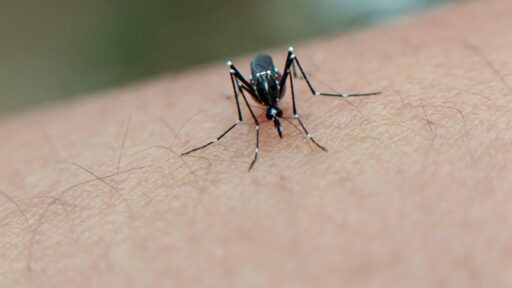
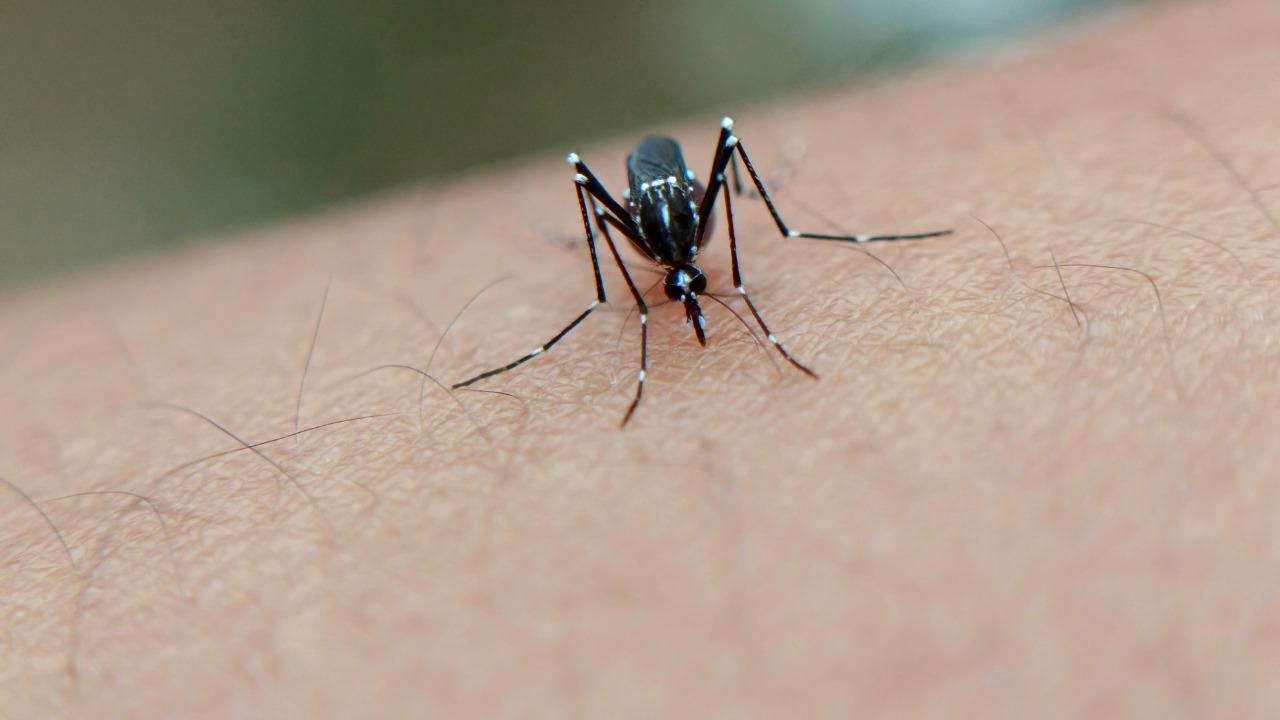
Dengue is a viral infection spread to people through the bites of infected mosquitoes, mainly Aedes aegypti and Aedes albopictus. These mosquitoes are aggressive daytime biters and can live close to homes, breeding in small containers of standing water such as buckets, flowerpots, tires, gutters, bottle caps, birdbaths, and discarded trash.
The CDC dengue overview explains that symptoms can range from mild to severe. Many infections cause no symptoms at all, but people who do get sick may develop fever, severe headache, pain behind the eyes, joint and muscle pain, nausea, vomiting, rash, or unusual bleeding.
Dengue is sometimes called “breakbone fever” because the body aches can be intense. Most people recover with supportive care, but severe dengue can become life-threatening and requires urgent medical attention.
Why US Cases Are Rising
Most dengue cases in the continental United States are still linked to travel. People visit areas where dengue is circulating, get bitten by infected mosquitoes, return home, and later develop symptoms. Because dengue can take several days to appear, travelers may not connect their illness with mosquito bites from a recent trip.
The U.S. has also seen locally acquired dengue cases in recent years, especially in places where Aedes mosquitoes are established and the climate supports transmission. Florida, Texas, California, Puerto Rico, the U.S. Virgin Islands, and other warm regions are central to the dengue discussion because local mosquito populations can sometimes spread the virus after it is introduced.
A CDC report in MMWR found that 2024 brought a record number of dengue cases among residents of U.S. states and Washington, D.C., with most cases linked to travel and a smaller share acquired locally. That report also warned that the rising number of travel-associated infections can increase the chance of local spread in places where competent mosquito vectors already live.
Why the 500-Plus Figure Matters
A national case count above 500 is important because dengue is often underreported. Many people have mild illness, never seek medical care, or are not tested. Some symptoms can resemble flu, COVID-19, other viral infections, or common travel illnesses. That means the true number of infections may be higher than official reports show.
CDC notes that surveillance data have limitations, including underreporting, delays, and differences in reporting schedules between jurisdictions. Mild cases are especially likely to be missed. This means official dengue counts are useful, but they should be read as a snapshot of known cases rather than the full burden.
Even with those limitations, dengue cases above 500 show that mosquito-borne disease is a real and growing concern for U.S. public health, especially during summer travel and peak mosquito activity.
Why Dengue Can Be Hard to Diagnose
Dengue can look like many other illnesses at first. Fever, headache, body aches, nausea, rash, and fatigue can overlap with several infections. If a patient does not mention recent travel or mosquito exposure, a healthcare provider may not immediately suspect dengue.
Timing also matters. Testing options can depend on how many days have passed since symptoms began. Early infection may be detected through viral tests, while later infection may require antibody testing. Accurate diagnosis matters because some medications should be avoided.
The CDC guidance for healthcare providers encourages clinicians to consider dengue in patients with compatible symptoms and relevant travel or exposure history. This is especially important as more U.S. residents travel to countries with active dengue transmission.
Why Aspirin and Ibuprofen Can Be Risky
People with suspected dengue should be careful with pain relievers. Dengue can lower platelet counts and increase bleeding risk. Because aspirin and nonsteroidal anti-inflammatory drugs such as ibuprofen and naproxen can also increase bleeding risk, they are generally avoided unless a healthcare provider gives different instructions.
The CDC recommends acetaminophen for fever and pain in dengue patients, while avoiding aspirin and ibuprofen. This is an important practical detail because many people instinctively reach for common over-the-counter pain relievers when they have fever or body aches.
Anyone with possible dengue should contact a healthcare provider, especially if symptoms worsen or warning signs appear.
Warning Signs of Severe Dengue
Severe dengue can develop after the fever begins to go down, which can make it especially dangerous. A person may think they are improving, then suddenly develop warning signs that require urgent care.
Warning signs can include severe abdominal pain, persistent vomiting, bleeding from the nose or gums, vomiting blood, blood in stool, extreme tiredness, restlessness, difficulty breathing, cold or clammy skin, and signs of dehydration. Severe dengue can lead to shock, internal bleeding, organ damage, and death if not treated quickly.
The World Health Organization says dengue can range from mild illness to severe disease and that early recognition of warning signs is essential for reducing deaths. That message applies globally, but it is also relevant for U.S. travelers and communities seeing more cases.
Why Travelers Need to Be More Careful
Travel remains one of the biggest dengue risk factors for people in the continental United States. Dengue is common in many tropical and subtropical areas, including parts of Latin America, the Caribbean, South Asia, Southeast Asia, Africa, and the Pacific.
Before travel, people should check current dengue risk for their destination. During travel, they should use EPA-registered insect repellent, wear long sleeves and pants when possible, stay in places with air conditioning or window screens, and reduce mosquito exposure during the day as well as evening.
The CDC’s areas with dengue risk page gives travelers updated guidance on where dengue is circulating. This matters because outbreaks can shift quickly from one region to another.
Why Local Transmission Is Possible
Dengue does not spread directly from person to person in ordinary contact. A mosquito must bite an infected person during the period when the virus is in the blood, then later bite someone else. That means local transmission requires both an infected person and mosquitoes capable of spreading the virus.
Aedes mosquitoes are already present in many parts of the United States. They thrive in warm, humid environments and breed near people. Unlike some mosquitoes that breed mainly in swamps or large bodies of water, Aedes mosquitoes can breed in tiny amounts of standing water around homes.
That is why local prevention matters. A few containers holding water around a house or apartment building can become mosquito breeding sites.
Puerto Rico and US Territories Face Higher Risk
Dengue risk is much more established in some U.S. territories than in most of the continental United States. Puerto Rico, the U.S. Virgin Islands, American Samoa, Guam, and other island territories can face more frequent dengue transmission because climate, mosquito presence, and travel patterns support spread.
Puerto Rico has experienced major dengue outbreaks in the past. When dengue activity rises in territories, it also affects travelers returning to the mainland. That connection is one reason U.S. case numbers can rise even if most continental communities are not seeing sustained local transmission.
Public-health officials must track both local and travel-associated cases because the two are linked. Travel-associated cases can seed local transmission if infected mosquitoes are present.
Why Climate and Mosquito Range Matter
Warmer temperatures, changing rainfall patterns, urbanization, and global travel can all influence dengue risk. Aedes mosquitoes do well in warm environments and can breed in human-made containers. More warm days can lengthen mosquito seasons in some regions.
Climate change does not explain every dengue case, but it can make more places suitable for mosquito survival and virus transmission. At the same time, travel and urban living create opportunities for the virus to move quickly between regions.
The CDC’s 2024 dengue analysis noted that Aedes mosquitoes are present in many U.S. counties and that climate suitability exists across large parts of the country. That does not mean dengue will become common everywhere, but it does mean more communities may need to prepare.
How Households Can Reduce Mosquito Breeding
Dengue prevention starts close to home. Aedes mosquitoes often breed in small, overlooked water sources. Emptying and scrubbing containers, cleaning gutters, covering water storage, changing birdbath water, fixing leaky outdoor faucets, and removing yard debris can reduce breeding sites.
Screens on windows and doors help keep mosquitoes outside. Air conditioning also reduces exposure. People can use EPA-registered repellents containing ingredients such as DEET, picaridin, IR3535, oil of lemon eucalyptus, para-menthane-diol, or 2-undecanone.
The EPA’s repellent search tool helps people find repellents based on active ingredient, protection time, and target insects. This is useful because not every repellent works equally well or lasts the same amount of time.
Why Mosquito Control Is a Community Job
Individual households can reduce risk, but dengue control also requires community action. Mosquitoes do not respect property lines. A neighbor’s standing water can affect an entire block. Public-health departments, vector-control teams, schools, businesses, and residents all play a role.
Local agencies may trap mosquitoes, test mosquito populations, spray when needed, inspect breeding sites, educate residents, and investigate human cases. Community cooperation matters because mosquito control is most effective when breeding sites are removed before adult mosquito populations grow.
When dengue cases appear, fast public-health response can reduce the chance of local spread. That means testing, reporting, mosquito control, and public communication all need to work together.
Why Dengue Is Different From West Nile Virus
Many Americans are more familiar with West Nile virus, another mosquito-borne disease. Dengue is different because it is mainly spread by Aedes mosquitoes, which often bite during the day and live close to people. West Nile is more often associated with Culex mosquitoes, which commonly bite around dusk and dawn.
This matters for prevention. Avoiding mosquitoes only at night is not enough for dengue. People need daytime protection too, especially in areas with Aedes mosquitoes or when traveling in dengue-risk regions.
Dengue prevention also focuses heavily on small container breeding around homes, while West Nile prevention often involves different mosquito ecology. Both diseases require bite prevention, but the details are not identical.
What Doctors and Patients Should Watch For
Doctors should ask about recent travel, mosquito exposure, and local outbreaks when patients arrive with fever and body aches. Patients should mention travel even if it occurred days or weeks earlier. They should also mention if they live in or visited an area with known dengue activity.
People who develop fever after travel to a dengue-risk area should seek medical advice and avoid mosquito bites for the first week of illness. This helps protect others because a local mosquito could bite the infected person and spread the virus.
Early diagnosis can also help patients avoid medications that increase bleeding risk and get proper monitoring if warning signs develop.
Why There Is No Simple Treatment
There is no specific antiviral medicine that cures dengue. Treatment is supportive, meaning patients are managed with fluids, fever control, rest, and monitoring. Severe cases may require hospitalization, intravenous fluids, blood pressure support, and careful management of bleeding or organ complications.
This is why prevention is so important. Once someone is infected, medical care can reduce the risk of severe outcomes, but it cannot instantly eliminate the virus.
Vaccination options are limited and not broadly used for all U.S. residents. Dengue vaccines have specific eligibility rules and safety considerations, especially because prior dengue infection can affect vaccine decisions. Travelers should not assume vaccination is an easy solution and should focus on mosquito avoidance.
Final Takeaway
Dengue has already sickened more than 500 people in the United States this year, according to current public-health reporting. The count is preliminary and likely incomplete, but it signals that dengue remains a serious mosquito-borne threat for travelers, U.S. territories, and some communities where Aedes mosquitoes are present.
Most continental U.S. cases are still linked to travel, but local spread can happen when infected travelers return to areas where the right mosquitoes live. That makes prevention important both abroad and at home.
The practical message is simple. Use insect repellent, remove standing water, protect windows and doors with screens, wear long sleeves and pants when possible, and seek medical care for fever after travel to a dengue-risk area. Dengue may be carried by a tiny mosquito, but the health impact can be serious.