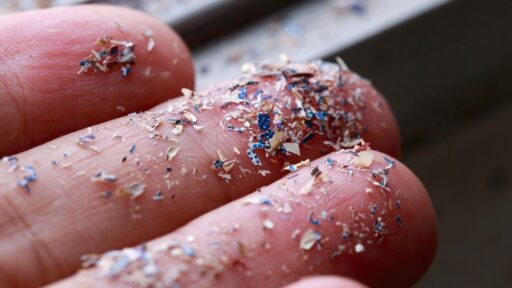
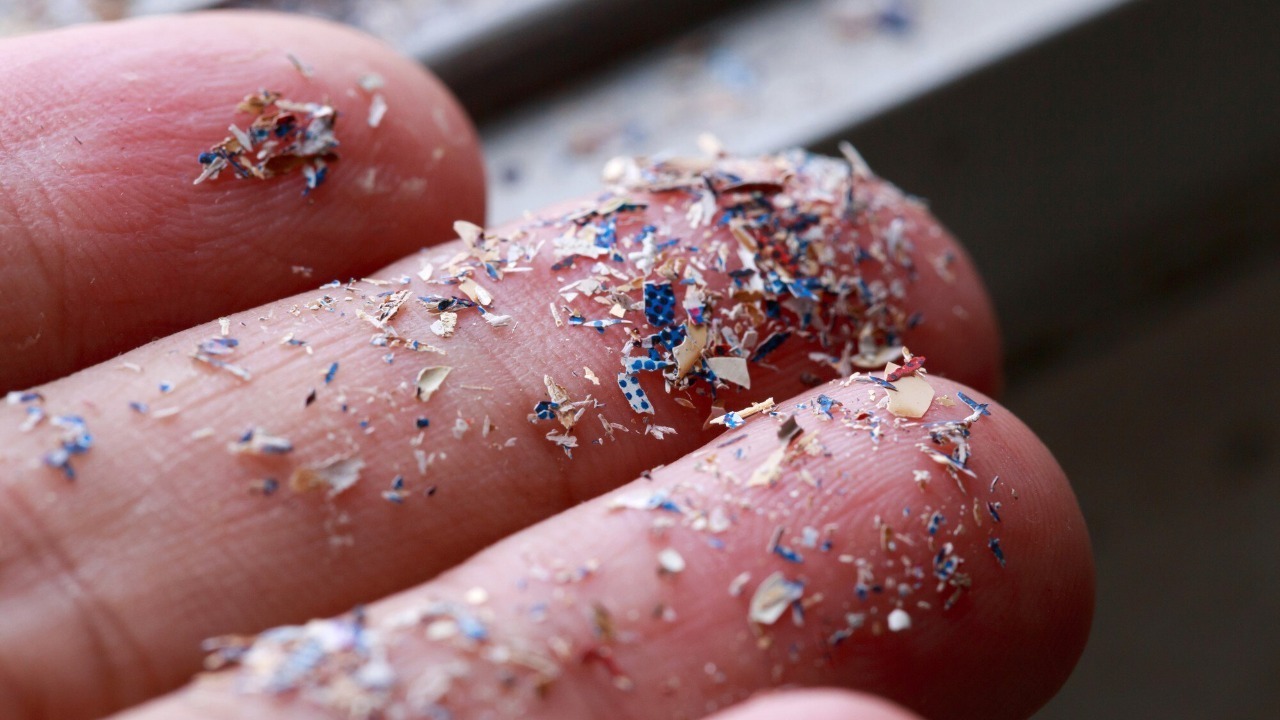

Plastic has moved from oceans and landfills into the most intimate of environments: human blood. A new study of healthy adults found microscopic plastic fragments in nearly eight out of ten samples, turning a long-held concern about exposure into direct evidence of internal contamination. The finding raises urgent questions about how modern life, saturated with plastic, may be reshaping human biology.
Researchers have tracked plastic pollution from remote mountaintops to deep sea trenches, but human blood was long considered a missing piece of the story. With microplastics now detected circulating in the bloodstream of 77 percent of tested adults, that gap has closed, and the implications for health, regulation, and industry are only beginning to surface.
How scientists finally detected plastic particles in human blood
The new evidence comes from a small but technically demanding study that analyzed blood from 22 anonymous, healthy adults. Researchers used steel needles and glass tubes to limit contamination, then filtered and chemically analyzed each sample to look for particles between 700 nanometers and 500 micrometers. In 17 of the 22 samples, they found plastic fragments that matched common polymers used in everyday products, according to the reported blood analysis.
Several familiar plastics turned up in the samples. Polyethylene terephthalate, used in drinks bottles and food packaging, appeared in just over half of the samples. Polystyrene, common in disposable food containers and protective packaging, also showed up frequently. Polyethylene, widely used in plastic bags, was another component of the mix. A smaller share of samples contained polymethyl methacrylate, a plastic used in coatings and acrylic glass. The study did not just identify the types of plastic, it also measured total concentration, with combined levels reaching dozens of micrograms per milliliter of blood in some individuals.
To reduce the risk that the plastics came from lab equipment or airborne dust, the researchers ran extensive blanks and contamination controls. They tested the lab air, checked reagents, and processed control samples alongside the real blood. The patterns of polymers in the blood differed from those in the controls, strengthening the case that the detected fragments were genuinely circulating in the volunteers. As one expert told a separate analysis of the work, the methods represent a significant step forward in tracking microplastics inside the human body, a point highlighted in a detailed technical overview.
The study does not identify where the particles originated, but the likely sources are already familiar. People inhale plastic fibers shed from synthetic textiles and car tires, ingest fragments in food and drinking water, and absorb chemicals from packaging and household dust. Infant feeding with plastic bottles and the use of single use packaging around ready meals and snacks further increase exposure. The detection of microplastics in blood suggests that at least some of these particles can cross the gut or lung barriers into systemic circulation.
Why plastic fragments in human blood raise urgent health questions
The presence of microplastics in blood does not automatically mean harm, but it changes the stakes of the debate. Previous research had already found plastic fragments in human stool, placental tissue, and lung samples. Blood is different because it is the transport system that reaches virtually every organ. If particles can circulate, they may potentially lodge in tissues, interact with immune cells, or carry chemical additives to sensitive sites, concerns that are now central to emerging health discussions.
Scientists have several hypotheses, most of them drawn from animal and cell studies. In laboratory experiments, microplastics can trigger inflammation, oxidative stress, and changes in cell signaling. Nanoplastics, which are even smaller than the particles measured in the blood study, may cross cell membranes and interact directly with organelles. Some plastics also carry additives such as plasticizers, flame retardants, and stabilizers, which can act as endocrine disruptors or toxicants in their own right. If microplastics act as carriers for these chemicals, they could extend exposure into tissues that would not normally encounter them at high concentrations.
Particle size also matters. The study focused on fragments small enough to pass through some biological barriers, but still large enough to be filtered and identified. That means the results may represent only a portion of what is present. Smaller nanoplastics, which can be more reactive and more capable of entering cells, are harder to measure with current techniques. If future work confirms their presence in blood, the toxicological questions will become even more pressing.
Regulators and clinicians are also paying attention because the exposure is not evenly distributed. People who live near heavy traffic, work in textile factories, or rely on bottled water and heavily packaged foods may encounter higher levels of airborne and dietary microplastics. Infants and young children, who crawl on floors and mouth objects, can ingest more household dust relative to their body weight. Pregnant people and their fetuses may face unique risks if particles cross the placental barrier, a possibility raised by earlier findings of plastic fragments in placental tissue.
For now, there is no established safe threshold for microplastics in blood, and no clinical guidelines for testing or treatment. Health agencies tend to lag behind emerging contaminants until evidence of harm is clearer. In the case of plastic particles, the detection in blood may accelerate calls for precautionary policies, particularly where alternatives to single use plastics already exist.
What the discovery means for policy, industry, and everyday life
The confirmation that microplastics circulate in human blood arrives at a time when governments are already debating how far to go in restricting plastic production. Negotiations under United Nations auspices on a global plastics treaty have focused heavily on marine pollution and waste management. The new evidence of internal human exposure adds a powerful public health argument to those discussions and may strengthen proposals that target production of virgin plastic and phase out certain polymer types.
At the national and local level, policymakers are likely to revisit familiar tools. Bans on single use bags, straws, and cutlery, taxes on plastic packaging, and extended producer responsibility schemes for bottles and containers are already in place in some jurisdictions. The presence of microplastics in blood could prompt stricter standards for food contact materials, tighter regulation of microplastic shedding from textiles, and new rules for tire composition and road runoff, all aimed at reducing the flow of particles into air and water.
Industry faces both risk and opportunity. Producers of virgin polymers may encounter greater scrutiny of additives and production volumes, while companies that can offer safer materials or reusable systems stand to benefit. Supermarkets that shift to refill stations for staples, beverage companies that invest in returnable glass, and apparel brands that reduce reliance on synthetic fibers could all position themselves as part of the solution. Any move away from plastic, however, must also account for food safety, cost, and the carbon footprint of alternatives, which can vary widely.
For individuals, the new findings do not come with a clear prescription, but some exposure reduction steps are relatively straightforward. Using a stainless steel bottle instead of single use plastic, choosing loose produce over heavily wrapped items when possible, ventilating homes to reduce indoor dust, and favoring natural fibers like cotton or wool over polyester can all modestly cut contact with microplastics. Installing a high quality filter on washing machine outlets can also capture fibers before they reach waterways, a measure that some governments are considering making mandatory for new appliances.
The most significant changes, however, will depend on collective decisions. Waste management systems that prioritize reuse and high quality recycling, urban planning that limits tire and brake dust in residential areas, and international agreements that cap plastic production will shape long term exposure far more than individual choices. The detection of microplastics in blood provides a vivid metric that can inform those debates and help move them beyond abstract references to pollution.