
A single 1943 Lincoln cent struck on a copper planchet instead of steel can sell for hundreds of thousands of dollars, turning a pocket-change curiosity into a life-changing windfall. The coin’s value rests on a mix of wartime history, extreme scarcity and intense competition among collectors chasing one of the most famous minting mistakes in American numismatics.
How a wartime metal switch created the 1943 copper error
To understand why a genuine 1943 copper cent is so valuable, it helps to start with the coins that were supposed to be produced that year. During World War II, the United States Mint redirected copper to military needs, including shell casings and electrical components. As a result, Lincoln cents dated 1943 were struck on zinc-coated steel blanks instead of the traditional bronze alloy.
Billions of these steel cents were produced, and they remain common today. Guides to the 1943 steel penny explain that most examples are worth only a small premium above face value in circulated condition. Even uncirculated steel cents tend to trade in modest price ranges, underscoring how unusual the copper version is.
The rare copper pieces appear to have been created when leftover bronze planchets from 1942 were accidentally fed into presses striking 1943-dated dies. Because only a handful of such blanks slipped through, the number of surviving copper cents from that year is extremely small. Numismatic references describe known examples from the Philadelphia, Denver and San Francisco mints, but each mint is represented by only a tiny population.
Collectors have been aware of the error for decades, and the coin has become a staple of hobby lore. Stories of schoolchildren finding a strange-looking 1943 cent and discovering that it is worth more than a house help keep interest high. That mythology is grounded in real auction records where authenticated pieces have sold for six-figure prices.
Why the 1943 copper cent commands such extraordinary prices
The market premium for a genuine 1943 copper cent comes from more than rarity alone. The coin sits at the intersection of American wartime history, minting technology and pop culture, and each element adds to its appeal. Collectors value it as a tangible artifact of World War II resource allocation, since its very existence reflects a brief moment when the Mint was transitioning alloys under pressure.
Specialist coverage of why the 1943 notes that only a small number of certified examples have ever reached the market. When such a coin appears at a major auction, bidders can include advanced Lincoln cent collectors, investors and even museums, driving prices into the hundreds of thousands of dollars for high-grade, verified pieces. The combination of a famous date, a dramatic metal error and a story that is easy to explain to non-collectors gives the coin an outsized profile compared with many other scarce issues.
Public fascination has also been amplified by mainstream coverage suggesting a stray penny in a jar could be a fortune. One widely shared feature on a rare penny worth walked through how to check 1943 cents at home, reinforcing the idea that the coin is both legendary and potentially discoverable. That blend of accessibility and extreme value is unusual in collectibles, where most six-figure items are locked away in specialized markets.
The coin’s fame has a side effect: counterfeits and altered pieces are common. Some forgers plate ordinary 1943 steel cents with copper to mimic the correct color. Others file down the final digit of a 1945 or 1948 copper cent and retool it to resemble a 3. Because of this, experienced dealers insist on precise tests. A magnet will pick up a steel cent regardless of plating, while a genuine 1943 copper cent will not be attracted. Weight and dimensions also matter, since bronze and steel planchets differ slightly.
Professional grading services add another layer of protection. Third-party certification that confirms the coin’s metal composition, authenticity and condition is effectively mandatory at the price levels involved. Auction houses typically require such certification before accepting a 1943 copper cent for sale, which helps maintain confidence in a market where a single mistake can cost hundreds of thousands of dollars.
How the story of the 1943 copper penny shapes collecting today
The legend of the 1943 copper cent has had a clear impact on how people interact with small change. Families who might never otherwise think about numismatics now sift through inherited jars of coins, hoping to spot the right date and color combination. That behavior has introduced a wider audience to the basics of coin collecting, from mint marks to grading scales.
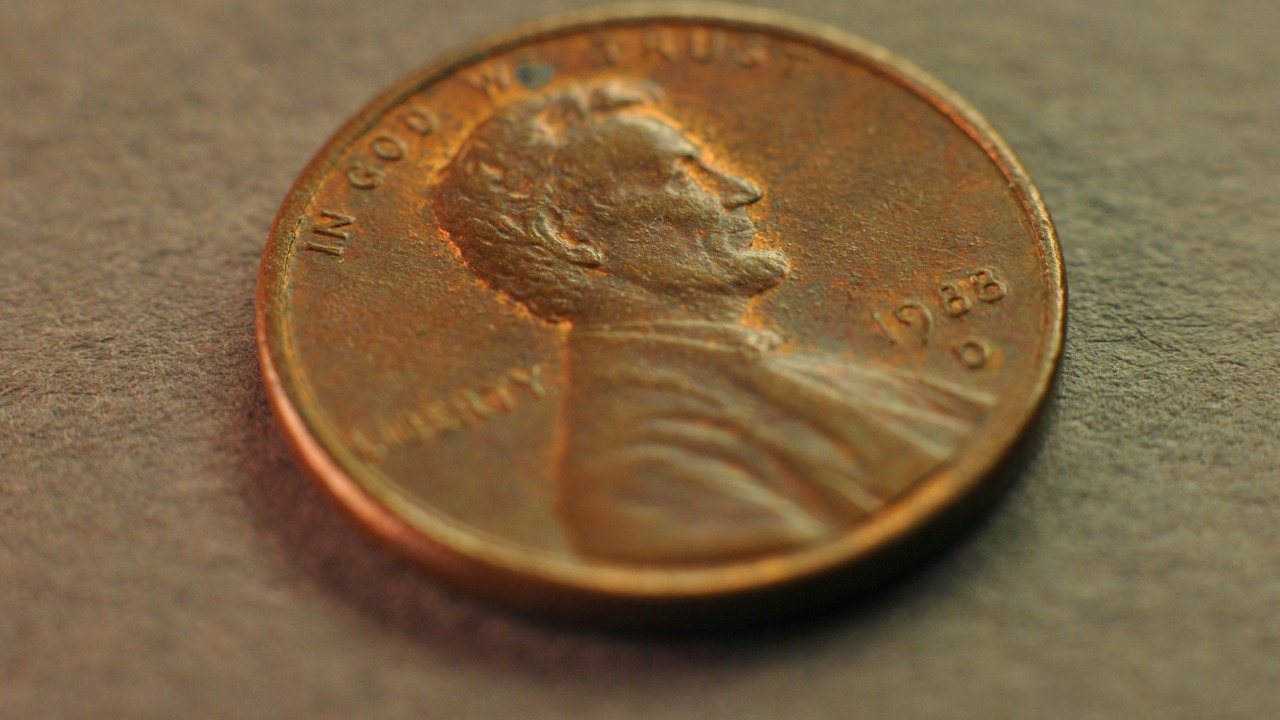
For many, the first step is learning to distinguish the common steel cents from the valuable copper errors. Guides emphasize that a typical 1943 cent should be silvery in appearance and magnetic, while the rare version has the brown or reddish tone of prewar bronze and does not respond to a magnet. That simple test has become part of popular advice for anyone curious about old pennies, alongside checking for key dates like 1909 S VDB or 1955 doubled die cents.
The focus on the 1943 copper cent also highlights the broader category of mint errors and transitional issues. Collectors who start by chasing the famous copper penny often branch out into other anomalies, such as off-metal strikes from different years or coins struck with mismatched dies. The wartime alloy change that created the 1943 situation has parallels in other periods, including shifts in silver content for dimes and quarters, which can create their own rare combinations.
At the same time, the intense spotlight on a single issue can distort expectations. Many people now assume that any old or unusual-looking coin must be extremely valuable, which can lead to disappointment. Numismatic educators respond by stressing that condition, demand and documented rarity all play roles in pricing. The 1943 copper cent happens to sit at the sweet spot of these factors, but it is the exception rather than the rule.
From a market perspective, the coin functions as a gateway to more structured collecting. Auction catalogs that feature a 1943 copper cent often place it alongside complete Lincoln cent sets or specialized error collections, showing newer participants how a single star coin fits into a larger narrative. That context helps transform a one-off lucky find into a sustained interest in the history and artistry of coinage.
What the future may hold for this small but mighty coin
Looking ahead, the 1943 copper cent is likely to retain its status as a marquee rarity. The number of authentic examples is fixed, and each new discovery tends to be quickly certified and documented. As long as there are collectors who focus on 20th century United States coinage, demand for a coin that represents a key wartime anomaly should remain strong.
Prices, however, can move in cycles. Broader economic conditions influence how aggressively collectors and investors bid on trophy pieces. When discretionary spending tightens, some segments of the collectibles market soften, while truly iconic items can either hold value or even attract buyers seeking tangible stores of wealth. The 1943 copper cent sits in that upper tier of recognition, alongside classic rarities like the 1913 Liberty nickel.
Technology will also shape how future owners discover and authenticate these cents. Improved imaging and metal analysis tools make it harder for counterfeiters to pass off altered coins, while online marketplaces expand the audience for high-profile auctions. At the same time, educational resources that explain the difference between ordinary steel cents and the rare copper errors help filter out unrealistic expectations and focus attention on genuine finds.