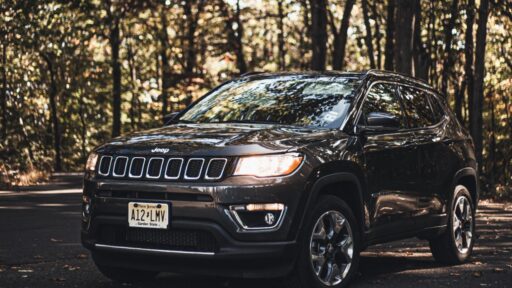
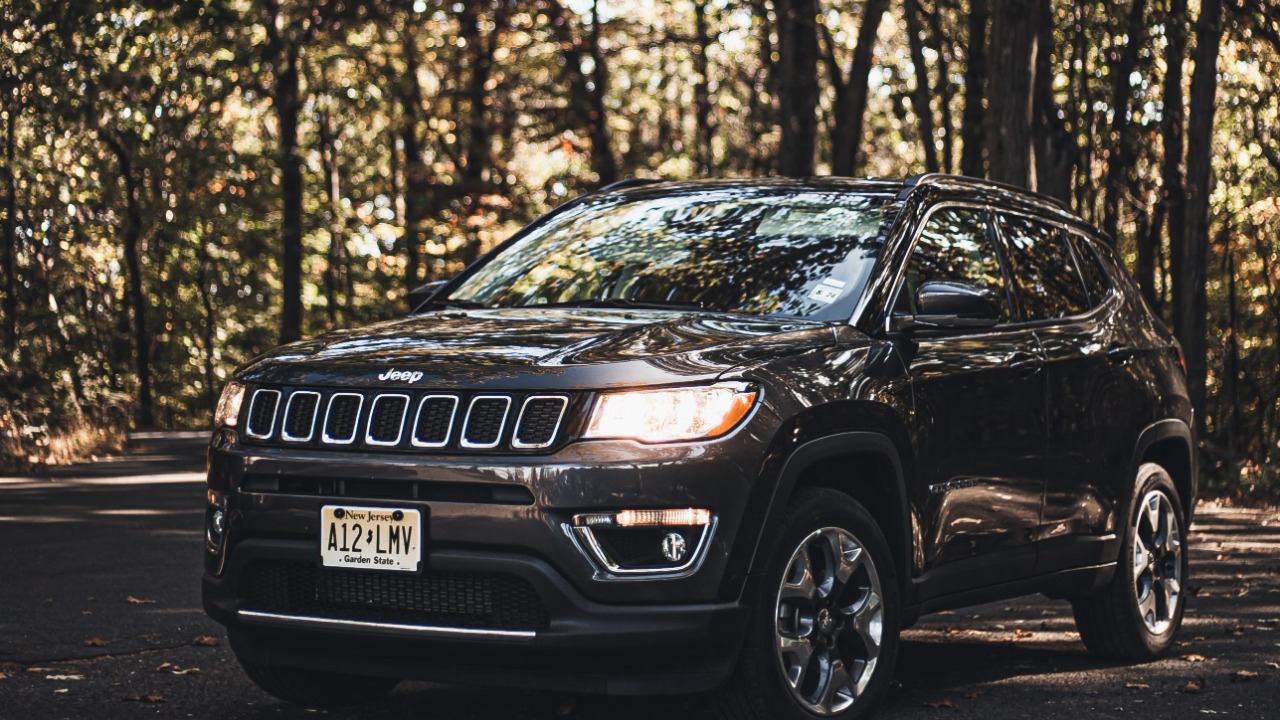

The latest reliability rankings have delivered a harsh verdict for two of Stellantis’s most important models. The Jeep Grand Cherokee and Ram 1500, long promoted as refined and family-friendly choices in their segments, now sit among the least dependable vehicles in new-car surveys. For shoppers who saw both as safe bets, that shift raises tough questions about what has changed and how much risk they are willing to accept.
The downgrade also lands at a delicate moment for Stellantis, as the company prepares updated versions while trying to preserve premium pricing. Reliability is no longer just a quiet line in a spec sheet; it increasingly shapes resale values, ownership costs and even brand reputations in the crowded SUV and pickup markets.
How recent changes pushed Grand Cherokee and Ram 1500 down the reliability ladder
Both the current Jeep Grand Cherokee and the Ram 1500 are relatively fresh designs, and that timing matters. Consumer Reports has repeatedly found that all-new or heavily redesigned models tend to show more problems in the first years of a new generation, with reliability improving only after automakers work through early defects. In its latest brand and model rankings, the organization again highlighted that pattern while naming the most and least dependable vehicles across the market, and the Grand Cherokee and Ram 1500 fell on the wrong side of that line according to the new reliability list.
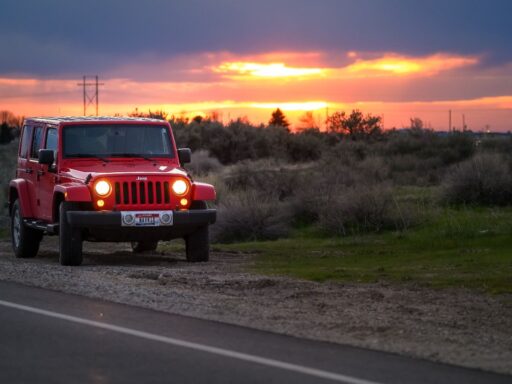
The Grand Cherokee’s current generation brought a new platform, more technology and an expanded lineup, including the three-row Grand Cherokee L. Reviewers who drove the 2026 Jeep Grand Cherokee have pointed to a mix of strengths and weaknesses. The cabin and ride quality still feel upscale, yet some testers describe the latest version as a “missed opportunity,” citing persistent quality gripes and software quirks that keep it from matching the refinement of top rivals, as detailed in a critical road test.
On the pickup side, the Ram 1500 has been praised for its quiet ride and interior comfort, yet it also carries a growing list of owner complaints. Consumer surveys feeding into the latest rankings point to trouble spots such as electronics, power equipment and other complex systems that have become central to modern trucks. An analysis of the newest pickup rankings notes that the Ram 1500 now sits near the bottom among full-size trucks, with one report bluntly describing it as topping a list of reliability losers.
These issues do not exist in a vacuum. Consumer Reports’ broader brand study shows that makes with simpler, more mature platforms and fewer radical changes tend to earn higher predicted reliability. The organization’s latest overview of which companies build the most dependable vehicles highlights that some Asian brands, which often roll out incremental updates instead of sweeping redesigns, cluster at the top of the charts, while Stellantis brands sit much lower in the brand rankings.
Why falling reliability scores for these Stellantis flagships matter right now
The Grand Cherokee and Ram 1500 occupy strategic positions for Stellantis in North America. The Grand Cherokee has long been a cornerstone of Jeep’s move upmarket, attracting buyers who want SUV practicality with a near-luxury badge. The Ram 1500, meanwhile, is the brand’s volume full-size pickup and a key profit engine. When both models appear on a list of the least reliable new vehicles, the implications ripple far beyond a single survey.
For consumers, the most direct impact is financial. Lower predicted reliability tends to correlate with higher repair costs and more time in the shop over several years of ownership. It can also weigh on resale values. Shoppers who lease or plan to trade in after a few years may see smaller differences, but buyers who keep vehicles longer often feel the full effect of chronic issues that show up after warranties expire. In a market where many families stretch budgets to afford large SUVs and trucks, that risk matters.
The timing also intersects with a broader shift in how buyers evaluate vehicles. Reliability rankings, once an afterthought for many shoppers, now sit alongside fuel economy, safety ratings and technology features in online research. The latest Consumer Reports data, summarized in the new model list, feeds directly into dealer conversations and financing decisions. When a salesperson pitches a Grand Cherokee or Ram 1500 against a Toyota, Honda or Ford rival, informed customers increasingly bring those scores into the negotiation.
Brand perception is another casualty. Jeep has worked hard to position the Grand Cherokee as both adventurous and sophisticated, a vehicle that can handle family duty and weekend trails with equal ease. Persistent reliability concerns cut against that image and risk pushing buyers toward competitors that promise fewer headaches. For Ram, the 1500’s reputation for comfort and style helped it stand out from more utilitarian rivals. If potential owners start to associate that comfort with higher breakdown risk, the truck’s core appeal weakens.
There is also an internal competitive angle within Stellantis. The company manages multiple brands that share components, platforms and engineering resources. When two high-profile models from different badges land in the same low-reliability tier, it raises questions about corporate priorities around testing, software validation and supplier quality. That perception can influence investor confidence and dealership morale, especially if rivals use the rankings in their own marketing.
How Stellantis, dealers and buyers may respond to the least-reliable label
Automakers rarely overhaul entire vehicles in response to a single year of survey data, but they do pay attention to patterns. For the Grand Cherokee and Ram 1500, the near-term response is likely to focus on targeted fixes. That can include software updates to address infotainment glitches, revised components for known trouble spots and quiet running changes on the assembly line. Stellantis has every incentive to reduce the number of owner complaints that feed into future reliability surveys.
Dealers are already adjusting their pitch. Sales staff can lean on warranty coverage, available extended service plans and aggressive incentives to offset buyer anxiety. In some cases, they may steer reliability-conscious customers toward trims and powertrains that show fewer issues in service records, such as simpler configurations with less complex electronics. Fleet buyers, who track downtime and repair costs closely, may demand sharper discounts or shift some orders to competitors until the data improves.
For shoppers still drawn to the Grand Cherokee’s design or the Ram 1500’s comfort, the new rankings do not have to be a dealbreaker, but they should shape how those buyers shop. Independent mechanics often recommend focusing on model years that have been on the market for several seasons, since early bugs are more likely to be resolved. Careful review of warranty terms, including coverage for high-tech features, can also limit financial exposure if something fails.
Looking further ahead, Stellantis faces a strategic decision about how aggressively to tackle reliability at the brand level. Consumer Reports’ latest brand comparison, which identifies which automakers build the most dependable cars, shows a clear gap between the best and worst performers in the industry rankings. Closing that gap likely requires more than patching individual problems. It may demand slower rollout of new technology, longer testing cycles and a tighter focus on supplier quality across Jeep and Ram product lines.
Regulators and safety agencies are unlikely to intervene directly based on reliability scores alone, since most of the reported issues involve convenience features rather than life-or-death failures. However, if recurring problems intersect with safety systems or emissions controls, they can trigger recalls or service campaigns that add cost and public scrutiny. That possibility gives Stellantis one more reason to address trouble spots before they escalate.
The next few model years will show whether the Grand Cherokee and Ram 1500 can climb back up the reliability charts or remain cautionary tales for buyers prioritizing long-term dependability. For now, the least-reliable label serves as a reminder that even popular, well-reviewed vehicles can carry hidden ownership risks once long-term data starts to roll in. Shoppers who balance that data against test drives and features will be in the best position to decide whether these Stellantis flagships still deserve a spot in the driveway.