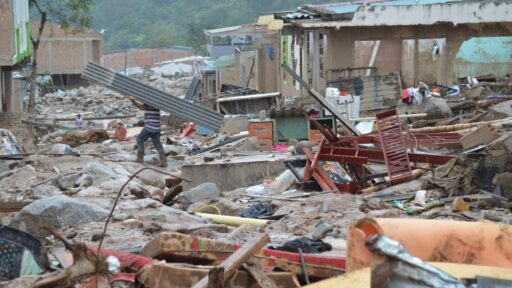
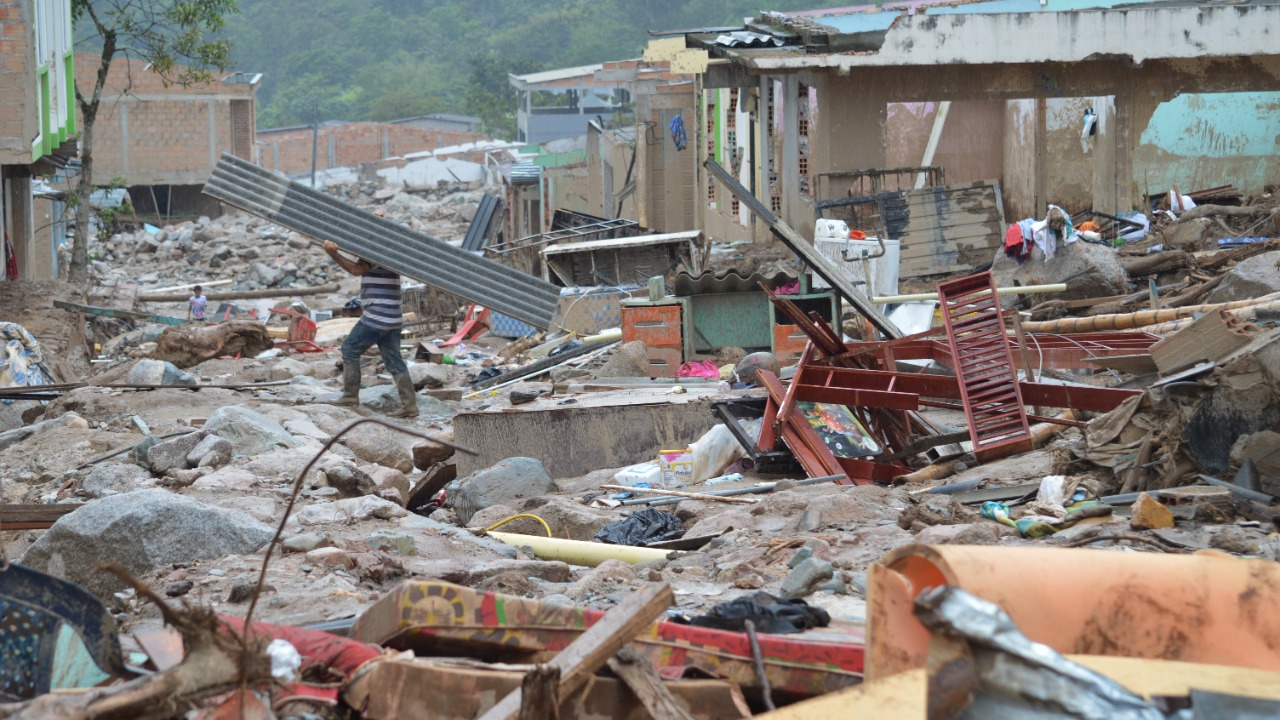

A powerful earthquake in Colombia has triggered a desperate rescue operation as emergency teams search through damaged buildings and collapsed structures for survivors.
For rescue workers, the first hours after an earthquake are among the most critical.
Every minute can determine whether trapped people are found in time.
The search involves firefighters, emergency personnel, medical teams, volunteers, and specialized rescue units working in dangerous conditions while trying to locate people beneath rubble.
Earthquakes are unpredictable disasters that can transform normal communities into complex emergency zones within seconds.
The challenge after the shaking stops is not only finding survivors.
It is reaching them quickly while preventing further injuries.
Why the First Hours After an Earthquake Are Critical
Following a major earthquake, rescue teams enter what is often called the “golden period.”
This refers to the early hours when trapped survivors have the highest chance of being rescued.
People caught inside collapsed buildings may still be alive but unable to move or communicate.
Rescuers must act quickly because conditions can deteriorate rapidly.
Hazards include:
Unstable structures.
Aftershocks.
Fires.
Gas leaks.
Limited access routes.
The United Nations Office for Disaster Risk Reduction emphasizes the importance of rapid emergency response systems in reducing the impact of natural disasters.
How Rescue Teams Search for Survivors
Modern earthquake rescue operations combine human expertise with advanced technology.
Teams often use:
Acoustic listening devices.
Search cameras.
Thermal imaging equipment.
Rescue dogs.
Structural assessment tools.
These methods help responders locate signs of life beneath collapsed materials.
A rescue operation is not simply about removing debris.
Workers must carefully determine where survivors may be located and how to reach them without causing additional collapse.
The Challenges of Working Through Rubble
Collapsed buildings create some of the most difficult environments for emergency responders.
A structure that appears stable may suddenly shift.
Large pieces of concrete may need to be removed carefully.
Heavy machinery cannot always be used immediately because survivors may be trapped underneath.
Rescue teams often work by hand during the early stages.
This process is slower but allows workers to listen for sounds, detect movement, and reduce risks.
Why Earthquakes Are Especially Dangerous in Urban Areas
The impact of an earthquake depends on more than its magnitude.
The location of the earthquake, building quality, population density, and emergency preparedness all influence the level of damage.
Urban areas can experience greater destruction because many people and structures are concentrated in smaller spaces.
Older buildings or structures not designed for seismic activity may be more vulnerable.
The United States Geological Survey (USGS) explains that earthquake damage depends on factors including ground motion, building design, and local conditions.
The Role of Emergency Coordination
Large-scale earthquake responses require cooperation between many organizations.
Emergency teams must coordinate:
Search and rescue operations.
Medical assistance.
Transportation.
Shelter support.
Communication systems.
Without coordination, resources may not reach the areas where they are needed most.
Disaster response involves not only saving people from immediate danger but also supporting communities after the initial emergency.
Medical Teams Face a Second Challenge
Finding survivors is only the first step.
Many rescued people require immediate medical attention.
Common earthquake-related injuries include:
Broken bones.
Head injuries.
Crush injuries.
Dehydration.
Trauma-related conditions.
Medical teams must establish temporary treatment areas and prioritize patients based on urgency.
This process, known as triage, helps ensure that limited medical resources are used effectively.
Aftershocks Create Additional Risks
The danger does not end when the main earthquake stops.
Aftershocks can continue for hours, days, or even longer.
These smaller earthquakes can:
Damage already weakened buildings.
Create new collapses.
Interrupt rescue operations.
Force evacuations.
Rescue teams must constantly monitor conditions and adjust their strategies.
Safety assessments are essential before entering damaged structures.
Community Members Often Become First Responders
In many earthquakes, local residents are the first people to begin rescue efforts.
Neighbors often search for family members, help injured people, and provide immediate support before professional teams arrive.
Community preparedness can significantly influence survival outcomes.
Knowing evacuation routes, emergency procedures, and basic first aid skills can help communities respond faster.
Organizations such as the International Federation of Red Cross and Red Crescent Societies support disaster preparedness and emergency response programs worldwide.
Why Earthquake Preparedness Matters
Earthquakes cannot currently be predicted accurately.
Because of this, preparation remains one of the strongest tools for reducing damage.
Effective preparedness includes:
Earthquake-resistant buildings.
Emergency supply kits.
Public awareness programs.
Regular safety drills.
Improved response planning.
Countries located in earthquake-prone regions often invest heavily in construction standards designed to reduce structural failure.
The Importance of Building Standards
Building quality is one of the biggest factors affecting earthquake survival.
Structures designed with earthquake resistance can move with seismic forces rather than collapse under them.
Modern engineering approaches focus on:
Flexible structural systems.
Strong foundations.
Reinforced materials.
Improved construction techniques.
Investing in safer buildings can significantly reduce casualties during future earthquakes.
The Emotional Impact After a Disaster
Earthquakes create psychological challenges long after physical rescue operations end.
Survivors may experience:
Shock.
Stress.
Anxiety.
Loss of homes or belongings.
Communities may require long-term support to recover.
Rebuilding is not only about repairing buildings.
It is also about restoring stability and helping people return to normal life.
How Technology Is Changing Disaster Response
Technology continues improving earthquake rescue operations.
New tools are helping emergency teams respond faster and more effectively.
Examples include:
Drone-based assessments.
Artificial intelligence mapping.
Satellite imagery.
Advanced communication systems.
These technologies allow responders to understand damage patterns and prioritize areas where help is needed most.
However, technology works best when combined with trained personnel and effective emergency planning.
The Long Road After Rescue
The immediate search for survivors is only the beginning of recovery.
After rescue operations end, communities face challenges including:
Housing shortages.
Infrastructure repairs.
Economic disruption.
Healthcare needs.
Emotional recovery.
Rebuilding after a major earthquake can take months or years.
The recovery process requires cooperation between governments, aid organizations, local communities, and international partners.
The Bigger Lesson From Colombia’s Earthquake Response
The rescue efforts following the Colombia earthquake highlight the importance of speed, preparation, and coordination during natural disasters.
The phrase “every minute counts” reflects a reality faced by emergency workers around the world.
Early action can save lives.
Strong preparation can reduce damage.
Effective response systems can help communities recover faster.
Earthquakes will continue to occur, but their impact can be reduced through better engineering, stronger preparedness, and faster emergency response.
Final Thoughts
The race to find survivors after Colombia’s deadly earthquake demonstrates the extraordinary challenges faced by rescue teams during the first hours of a disaster.
Behind every rescue operation are teams working against time, unstable conditions, and uncertainty.
Their efforts show why disaster preparedness matters long before an earthquake happens.
The strongest response begins before the ground starts shaking.