
Octopus Energy has encouraged customers to avoid unnecessary electricity use during a specific evening period as part of efforts to reduce pressure on the UK’s energy system.
The request reflects a growing challenge for modern electricity networks.
Energy demand is not constant throughout the day.
Certain periods, especially early evenings when people return home from work and school, can create significant spikes in electricity consumption.
By encouraging customers to shift some activities outside these peak hours, energy companies aim to create a more flexible and efficient electricity system.
The initiative also highlights how consumer behavior is becoming an increasingly important part of the future energy landscape.
Why 6–8pm Is a Challenging Time for the Grid
The early evening period is often one of the busiest times for electricity demand.
During these hours, many households use multiple appliances at the same time.
People may:
Cook dinner.
Run washing machines.
Charge devices.
Use heating or cooling systems.
Turn on lights and entertainment equipment.
This creates a demand increase that energy networks must manage carefully.
Electricity grids are designed to match supply with demand every moment.
When demand rises sharply, operators must ensure enough generation capacity is available.
The National Grid ESO manages electricity system operations in Great Britain and works to maintain a reliable balance between electricity supply and demand.
Why Energy Companies Are Encouraging Flexible Usage
Traditionally, electricity systems were built around large power stations adjusting output to match consumer demand.
However, the growth of renewable energy has changed how grids operate.
Wind and solar generation depend on natural conditions.
Wind output changes with weather.
Solar generation decreases after sunset.
Because renewable generation is variable, flexibility has become more important.
Encouraging customers to use electricity at different times can help reduce pressure during periods when demand is high or renewable output is lower.
How Changing Electricity Habits Can Help
The idea behind initiatives like this is not asking people to stop using electricity completely.
Instead, it focuses on shifting flexible activities.
For example, some household tasks can often happen at different times.
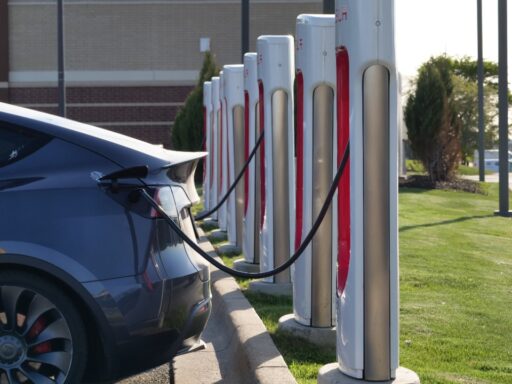
Charging an electric vehicle overnight instead of during peak hours can reduce evening demand.
Running a dishwasher later can also help.
Using smart heating controls can allow energy consumption to happen when the system has more available capacity.
Small changes across thousands of homes can create a measurable impact.
The Growth of Smart Energy Systems
The traditional electricity model treated consumers mainly as users.
Modern energy systems are changing that relationship.
Smart meters, connected appliances, and automated controls allow households to become more active participants.
A smart energy system can help customers:
Track electricity use.
Identify expensive periods.
Automatically shift certain activities.
Take advantage of lower-cost energy periods.
The UK Government Smart Meter Programme has supported the rollout of smart meters as part of efforts to modernize energy management.
Why Renewable Energy Makes Demand Management More Important
The UK is increasing investment in renewable energy, particularly offshore wind.
Renewable power reduces dependence on fossil fuels but creates new challenges for managing electricity supply.
A traditional power plant can increase or decrease output based on demand.
Renewable sources depend on environmental conditions.
This means future electricity systems will need a combination of:
Flexible demand.
Energy storage.
Better forecasting.
Stronger grid infrastructure.
The transition toward cleaner energy requires changes not only in how electricity is generated but also how it is consumed.
The Role of Electric Vehicles in Future Demand
Electric vehicles are expected to become a major part of electricity demand growth.
Charging an EV requires significantly more electricity than everyday household devices.
If many drivers charge vehicles at the same time during peak hours, demand could increase substantially.
However, smart charging systems can help manage this challenge.
Instead of every vehicle charging immediately after arriving home, charging can be scheduled during lower-demand periods.
The International Energy Agency has highlighted smart charging as an important part of integrating electric vehicles into future energy systems.
Why Peak-Time Electricity Matters Financially
Managing demand is also connected to energy costs.
Producing extra electricity during peak periods can be more expensive because additional generation resources may be required.
Reducing demand spikes can help lower pressure on the system and improve efficiency.
For consumers, flexible energy use can also create opportunities to save money through tariffs designed around usage patterns.
Companies such as Octopus Energy have introduced time-based pricing models that encourage customers to use electricity when supply conditions are more favorable.
The Octopus Energy website provides information about its energy plans and smart energy services.
Is This a Sign of Electricity Shortages?
A request to reduce electricity use does not necessarily mean the UK is running out of power.
Instead, it reflects a broader approach to managing energy systems efficiently.
Modern grids must handle:
Increasing electricity demand.
More renewable generation.
New technologies.
Changing consumer behavior.
Demand flexibility is becoming a normal part of energy management rather than simply an emergency response.
How Households Can Participate Without Major Changes
Reducing peak electricity use does not require major lifestyle changes.
Many households can help by adjusting simple habits.
Examples include:
Charging devices later in the evening.
Running appliances outside peak periods.
Using energy-efficient equipment.
Avoiding unnecessary electricity consumption during high-demand windows.
The goal is not inconvenience.
It is coordination.
When many households make small adjustments, the combined effect can support a more stable energy system.
The Future of Energy Will Be More Interactive
The traditional energy system was based on a simple relationship:
Power plants produce electricity.
Consumers use electricity.
The future system will be more connected.
Consumers will increasingly influence when and how electricity is used.
Smart technology will allow homes, vehicles, and businesses to respond automatically to energy conditions.
This approach can make renewable energy easier to integrate and reduce the need for expensive additional infrastructure.
The Bigger Picture: Building a Flexible Energy System
Octopus Energy’s request reflects a larger transformation happening across the energy industry.
As countries move toward cleaner electricity, managing demand becomes just as important as increasing supply.
The future grid will depend on cooperation between:
Energy companies.
Technology providers.
Governments.
Consumers.
The ability to adjust electricity use at the right times can improve reliability, reduce costs, and support renewable energy growth.
Final Thoughts
The request from Octopus Energy to reduce electricity use between 6–8pm highlights how everyday energy habits are becoming part of the wider energy transition.
The challenge facing electricity systems is not only producing more power.
It is managing power more intelligently.
As renewable energy expands and electricity demand increases, flexible consumption will become increasingly important.
The future energy system will not only depend on where electricity comes from.
It will also depend on when people choose to use it.