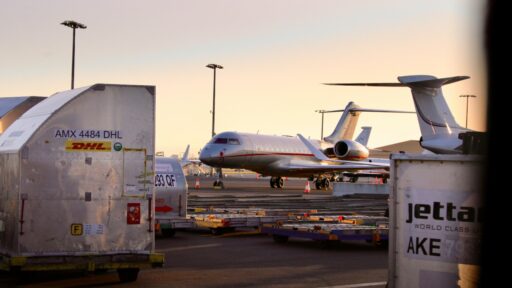
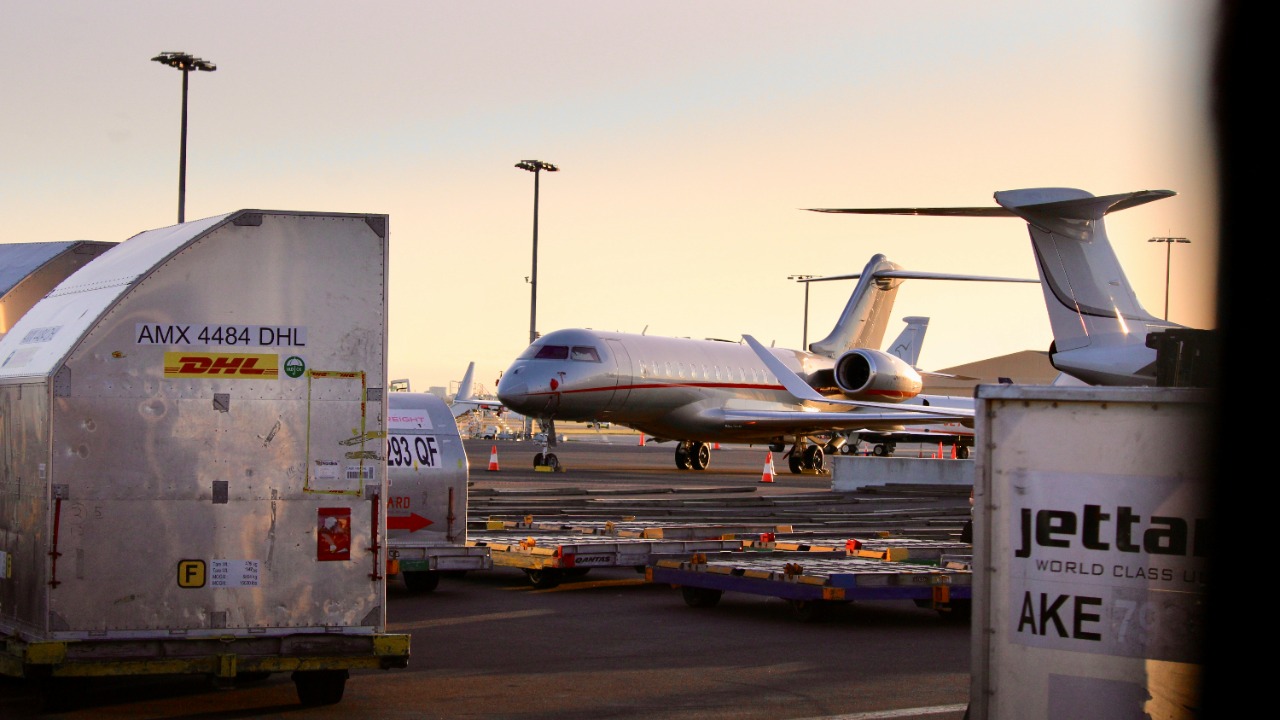

A reported security operation involving Donald Trump has drawn attention after claims that he was moved from an aircraft using a catering container before being taken on a separate undisclosed flight.
The unusual method has sparked public curiosity because presidential and high-profile security movements are often designed to minimize visibility, reduce risks, and prevent potential threats.
While details surrounding the incident remain limited, the report highlights the complexity of protecting internationally recognized political figures and the extensive planning involved in secure transportation.
For people accustomed to seeing public figures arrive and depart through highly visible routes, behind-the-scenes security procedures can appear unusual.
However, protective operations often rely on carefully controlled movements that are not always visible to the public.
Why High-Profile Security Transfers Are Complex
Protecting a former or current head of state requires managing multiple risks at the same time.
Security teams must consider:
Location safety.
Crowd control.
Transportation routes.
Timing.
Communication security.
Potential threats.
A normal airport movement can involve many predictable steps, making it easier for unwanted attention or security risks to develop.
For this reason, protective teams may use alternative routes, controlled access areas, and unexpected procedures.
The United States Secret Service is responsible for protecting current and former U.S. presidents and their immediate families, including coordinating complex security operations.
Why Unusual Transportation Methods Are Sometimes Used
Security operations often prioritize unpredictability.
If movements follow the same visible pattern every time, potential threats may become easier to anticipate.
Using different vehicles, routes, or transfer methods can reduce exposure.
In high-security environments, ordinary-looking equipment or vehicles may sometimes be used because they attract less attention.
Airport environments already contain many service vehicles, including maintenance, logistics, and catering equipment.
This can make certain movements less noticeable compared with traditional passenger exits.
The Role of Airport Security Coordination
Airports are among the most carefully controlled transportation environments.
Moving a high-profile individual requires coordination between:
Security personnel.
Airport authorities.
Transportation teams.
Law enforcement agencies.
Flight operators.
Each group has specific responsibilities.
The goal is to maintain safety while minimizing disruption to normal airport operations.
The Transportation Security Administration (TSA) manages aviation security procedures in the United States, working with airports and airlines to maintain secure travel environments.
Why Secret Flights Attract Public Attention
Private or undisclosed flights involving major political figures often generate significant public interest.
Travel details can become politically sensitive because they may relate to:
Security concerns.
Political meetings.
International events.
Personal movements.
For public officials and former leaders, controlling travel information can be part of maintaining personal safety.
However, secrecy around transportation can also create speculation, especially when unusual methods are reported.
The Balance Between Transparency and Security
One challenge for democratic societies is balancing public interest with security needs.
Citizens often want information about the movements and activities of influential political figures.
At the same time, revealing too many details about transportation arrangements could create safety risks.
Security organizations must therefore decide what information can be publicly shared without compromising protective measures.
This balance applies not only to presidents but also to diplomats, military officials, and other high-risk individuals.
Why Former Presidents Still Receive Protection
Many people associate presidential security only with people currently holding office.
However, former U.S. presidents continue to receive protection because they remain internationally significant figures.
They may continue participating in:
Public events.
Political activities.
International discussions.
Media appearances.
The Former Presidents Act provides the legal framework for certain benefits and protections available to former presidents.
The level and nature of protection can vary depending on circumstances and security assessments.
Modern Security Relies on Planning and Adaptability
High-profile security operations are rarely based on one single action.
They involve layers of planning.
Teams evaluate risks before travel begins.
Routes are reviewed.
Backup options are prepared.
Communication systems are coordinated.
The visible movement people see is often only one part of a much larger security process.
Unexpected methods are sometimes used because they create additional flexibility.
Technology Has Changed Executive Protection
Modern protective operations increasingly depend on technology.
Security teams use:
Advanced communication systems.
Threat monitoring tools.
Surveillance technology.
Data analysis.
Secure transportation systems.
Technology allows teams to identify risks earlier and coordinate responses faster.
However, human decision-making remains central.
Security operations require judgment because every situation is different.
Public Interest in Political Security Stories
Stories involving political figures and unusual security arrangements often receive significant attention because they combine politics, secrecy, and personal safety.
They also reveal how different the world of executive protection is from ordinary travel.
For most people, boarding a flight involves tickets, security checks, and normal airport procedures.
For protected individuals, transportation can involve carefully planned operations designed around risk reduction.
What This Incident Highlights
The reported use of a catering container during Trump’s transfer has attracted attention because of its unusual appearance.
Whether viewed as an effective security measure or simply an unusual logistical choice, the situation demonstrates a broader reality:
Protecting high-profile individuals often requires methods that are not visible to the public.
Security operations are built around reducing predictability and managing potential threats.
Final Thoughts
Reports of Donald Trump’s unusual airport transfer highlight the hidden complexity behind political security operations.
For major public figures, travel is not simply about moving from one location to another.
It involves planning, coordination, and constant assessment of potential risks.
The details of individual security arrangements may remain limited for obvious reasons.
But the broader lesson is clear:
Modern protective operations depend not only on visible security measures, but also on careful planning and controlled unpredictability.