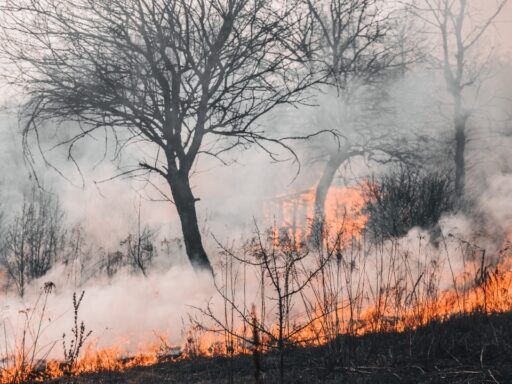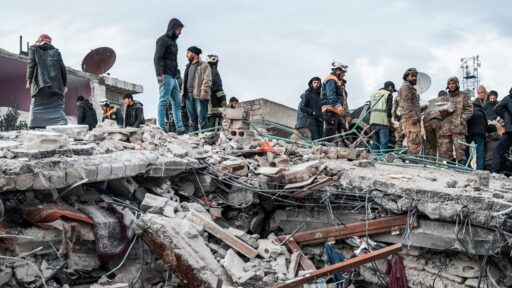
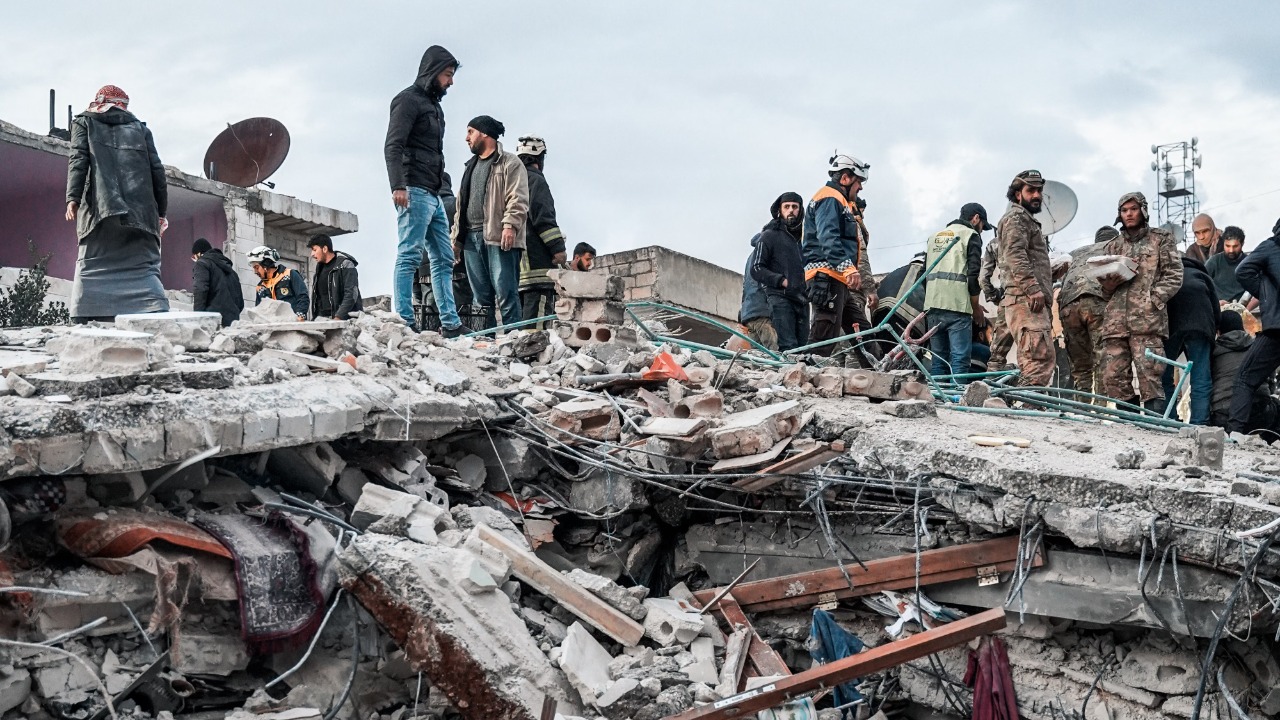

The scale of destruction in Venezuela has come into sharper focus as authorities report more than 2,500 people dead and tens of thousands still unaccounted for after twin earthquakes shattered the country’s Caribbean coast. Entire neighborhoods have been reduced to rubble, basic services have collapsed in several cities, and rescue teams are racing against time to find survivors before the window for life-saving operations closes.
What began as a regional disaster has rapidly become one of the deadliest catastrophes in Venezuela’s modern history, with ripples stretching across Latin America and into global humanitarian systems already strained by other crises.
How Venezuela’s earthquake toll climbed so quickly
The official death toll surged as search teams gained access to previously cut-off communities along the northern coastline, where the twin quakes hit with particular force. Initial counts of around 1,700 deaths, reported as rescuers struggled with constant aftershocks, have now been overtaken by updated figures that place the confirmed toll above 2,500 and moving toward 3,000, according to authorities cited in recent tallies.
The first major quake struck near densely populated coastal states that include key port cities, fishing towns, and informal settlements built on unstable hillsides. A second powerful tremor followed, compounding structural damage and triggering building collapses that trapped families in apartment blocks and older concrete structures. Early rescue work was hampered by blocked roads, damaged bridges, and aftershocks that made it unsafe for teams to enter partially collapsed buildings, as described by responders who faced relentless tremors while trying to reach survivors.
Five days after the quakes, Venezuelan officials and international agencies were still reporting tens of thousands of missing people, a figure that reflects both the scale of the destruction and gaps in communication. Many coastal communities lost power and cellular service, leaving families unable to confirm whether relatives had survived. In some towns, local authorities resorted to handwritten lists posted on school walls to record the names of those found alive or dead, while national figures continued to lag behind the reality on the ground described in reports of tens of thousands.
Hospitals in the affected states quickly filled with people suffering crush injuries, fractures, and trauma. Medical staff treated patients in parking lots and courtyards as buildings were inspected for structural damage. Fuel shortages and damaged runways complicated efforts to airlift the most critical cases to larger facilities inland. International medical teams and search and rescue units began to arrive as the United Nations scaled up its response, with humanitarian officials warning that the death toll would likely continue to rise as more bodies were recovered from collapsed structures and landslide zones, a concern echoed in assessments that followed the initial count of over 1,700 dead.
Why the rising toll and missing count matter far beyond Venezuela
The sheer number of dead and missing has turned the earthquakes into a national trauma that cuts across politics, geography, and class. For families still searching for relatives, the distinction between confirmed deaths and missing persons is agonizingly thin. Many of the missing are presumed to be buried under rubble in coastal cities where high-rise buildings pancaked or in informal settlements where homes slid down unstable hillsides.
The disaster has also exposed the vulnerability of Venezuela’s infrastructure after years of economic crisis. Engineers and urban planners have long warned about unreinforced masonry, poor enforcement of building codes, and the expansion of informal housing in hazard-prone areas. The earthquakes turned those vulnerabilities into mass casualties. In several coastal towns, entire blocks of midrise apartment buildings collapsed in the same pattern, suggesting systemic weaknesses in construction practices that will now come under scrutiny as investigators examine why so many structures failed.
Humanitarian agencies are warning that the emergency phase is only the beginning. Hundreds of thousands of people have been displaced, sleeping in makeshift camps, sports stadiums, and church courtyards. Access to clean water, sanitation, and food has become a central concern, with aid groups cautioning that disease outbreaks could follow if temporary shelters are not supplied and managed properly. The United Nations has been coordinating international support, but the scale of need is enormous, and the logistics of moving supplies into heavily damaged ports and along fractured highways remain daunting, as reflected in appeals that accompanied the UN decision to expand its response.
The regional impact is already visible. Neighboring countries have begun receiving Venezuelans who fled the hardest-hit areas, adding a new wave to existing migration flows that have reshaped parts of South America in recent years. Governments in the region are weighing how to balance border controls with humanitarian corridors for quake survivors. At the same time, foreign partners are sending specialized teams and supplies. India, for example, launched a mission dubbed Op Amistad to deploy search and rescue units and medical aid to Venezuela, according to reports on India’s relief operation, a sign of how far the call for help has reached.
Inside Venezuela, the disaster raises hard questions about preparedness and governance. Residents in several cities have described a lack of early public guidance on where to seek shelter, how to access emergency services, or where to find basic supplies. Some communities organized their own search brigades, using car jacks, shovels, and bare hands to dig through debris before heavy equipment arrived. These grassroots efforts saved lives but also highlighted gaps in official disaster management systems that will likely face intense scrutiny once the immediate emergency passes.
What rescue efforts and long-term recovery could look like next
In the coming days, the focus of international and local teams will continue to shift from frantic search and rescue toward recovery and identification of the dead. Search dogs, listening devices, and thermal cameras are still being used in priority sites where there is a chance of finding survivors, but emergency managers know that survival rates drop sharply after the first week. That reality has already shaped operations in cities where rescuers had to make agonizing choices about which buildings to prioritize.
Authorities have begun to set up more formal displacement camps with basic services, moving people out of ad hoc shelters that sprang up in schoolyards and plazas. Aid groups are pushing for clear registration systems so that families can be tracked and reunited, and so missing person lists can be updated more accurately. The chaotic first days, described in accounts of overwhelmed morgues and exhausted search teams, are gradually giving way to more structured efforts that still face enormous logistical obstacles, including damaged roads and ports that limit the flow of heavy machinery and relief supplies.
International partners are likely to play a central role in both the immediate and long-term phases. Urban search and rescue teams from several countries are already on the ground, and more technical support is expected for damage assessment, debris management, and temporary housing. Humanitarian organizations are preparing for months of food assistance and health services, especially in coastal communities where livelihoods tied to fishing and tourism have been interrupted. Reports from affected cities describe volunteers distributing food, water, and clothing while local authorities try to coordinate with national agencies that are stretched thin, a pattern reflected in coverage of strained rescue operations.
Over a longer horizon, Venezuela faces a monumental reconstruction challenge. Rebuilding homes, schools, ports, and hospitals will require not only funding but also a rethinking of where and how structures are built. Seismologists and engineers are already calling for updated hazard maps and stricter enforcement of building standards in high-risk zones. That process will unfold in a country that was already grappling with economic contraction and infrastructure decay, which means recovery will depend heavily on external financing and technical assistance.