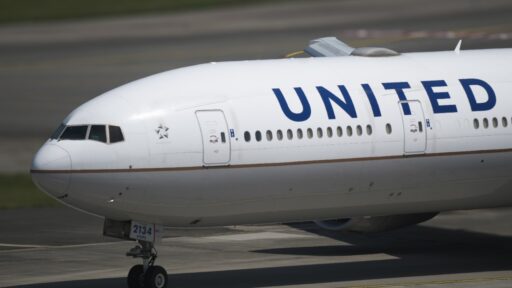
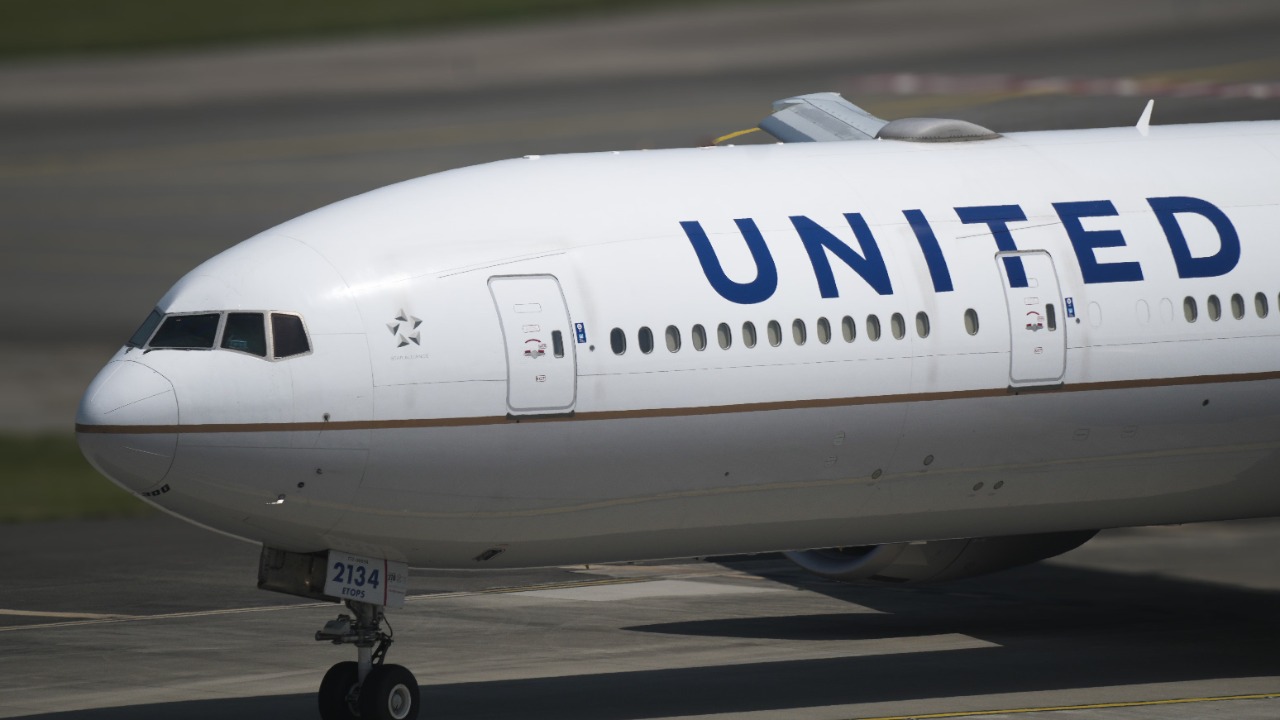

As United Airlines Flight 5201 accelerated for departure from Indianapolis to Houston, a passenger dialed 911 from his seat and tried to move toward the front of the aircraft, according to court records. The in-flight disturbance prompted the crew to abort the climb, return to Indianapolis International Airport, and have law enforcement meet the aircraft at the gate. The case now sits at the intersection of aviation safety, passenger mental health, and the legal limits of behavior inside a pressurized cabin.
Investigators and regulators are still piecing together what led to the call and the passenger’s actions. At the same time, other travelers and crew members are grappling with yet another reminder of how quickly a routine flight can shift into a security incident. The episode raises fresh questions about how airlines and authorities respond when a single traveler’s conduct disrupts an entire flight.
How the Indianapolis takeoff turned into a security incident
According to an incident summary, the United Express flight had just begun its departure roll from Indianapolis when a male passenger placed a 911 call and reported that the aircraft was in trouble. As the regional jet continued its takeoff, the man allegedly left his seat and tried to move toward the front of the cabin, prompting flight attendants to intervene and order him back to his row. The crew then discontinued the climb and requested a priority return to the airport, where police officers were waiting at the gate.
Reporting on the episode describes how the passenger’s behavior escalated from verbal statements to physical movement in a matter of minutes. Witnesses told investigators that the man appeared agitated and claimed something was wrong with the aircraft, even though the cockpit crew had not reported any mechanical issue. His decision to call emergency services from his phone while the aircraft was still in its high workload phase of flight was a key factor that transformed a disruptive passenger into a potential security threat, according to the account compiled by aviation reporters.
Once the aircraft returned to the gate, airport police boarded and detained the passenger. Court documents cited by local coverage state that officers removed him from the aircraft without further incident, although other travelers were delayed while statements were collected and the crew coordinated with United on the next steps for the flight. The airline ultimately re-accommodated passengers to continue their trip to Houston, while the individual at the center of the disturbance was taken into custody.
New details from court filings and passenger accounts
Public court filings provide a more granular look at what investigators say happened inside the cabin. According to those documents, the man told authorities that he believed the aircraft was unsafe and that he feared for his life. He allegedly insisted that he needed to speak with the pilots and, at one point, tried to move toward the flight deck area, which triggered a firm response from the crew. The sequence described in the filings aligns with passenger statements that the man ignored instructions to remain seated and continued to speak loudly as the aircraft taxied and then accelerated.
Local television reporting, which drew directly from the charging documents, states that the passenger was arrested on allegations of interfering with the operation of an aircraft and disorderly conduct. The same account notes that officers who met the flight at the gate said the man did not appear to be under the influence of alcohol or drugs, although they documented erratic behavior and statements about perceived danger on board. These details, summarized in court-backed reporting, are now central to the prosecution’s case.
Separate aviation-focused coverage highlights how quickly the crew had to make decisions. Pilots must weigh the safety risks of continuing a climb with a disruptive passenger against the operational risks of returning to the airport with a full fuel load and a cabin on edge. In this case, the crew chose to turn back, a choice that aligns with industry practice when there is any hint of an attempt to approach the flight deck or interfere with crew instructions. The Federal Aviation Administration treats such behavior as a serious violation, and airlines have increasingly supported crews who opt for a conservative response.
Another travel-focused outlet, citing statements from the airline and airport officials, reported that the passenger was detained after the aircraft reached the gate and that no injuries were reported among travelers or crew. That account, reflected in travel industry coverage, reinforces the picture of a tense but ultimately controlled situation in which protocols worked as designed, even as passengers endured an unexpected return and delay.
Why the 911 call from the cabin resonates beyond one flight
At first glance, the Indianapolis incident looks like one more entry in a long list of unruly passenger cases. Yet the decision to dial 911 from a moving aircraft, combined with an attempt to move toward the front of the cabin, touches on deeper anxieties about aviation security and mental health. Emergency calls from inside an aircraft are rare, in part because cabin crew and pilots are trained to handle crises internally and communicate directly with air traffic control. When a passenger bypasses that system and calls ground-based emergency services, it can create confusion for responders and raise questions about the caller’s intent.
The case also lands at a time when airlines and regulators are under pressure to address disruptive behavior more aggressively. The FAA has repeatedly emphasized a zero tolerance policy for interference with crew members, and criminal charges like those filed in Indianapolis reflect that posture. Prosecutors often argue that even if no one is physically harmed, behavior that distracts pilots or flight attendants during critical phases of flight can endanger everyone on board. The Indianapolis flight’s aborted climb illustrates how a single person’s actions can force a costly and operationally complex diversion.
At the same time, the incident underscores the challenges of dealing with apparent mental distress at 30,000 feet. If a passenger genuinely believes the aircraft is unsafe, their fear can manifest as disruptive behavior even without malicious intent. Airlines have limited tools to assess mental health in real time, and flight attendants are not clinicians. As a result, the system tends to treat any interference with crew instructions as a security matter first, with questions about underlying causes addressed later by law enforcement and courts.
For fellow passengers, the experience can be unnerving. Travelers on the Indianapolis flight reportedly watched as crew members confronted the man and then prepared the cabin for an unscheduled return. Even without physical violence, the sight of officers boarding an aircraft to detain a traveler reinforces a perception that air travel carries behavioral risks that did not feel as prominent a decade ago. That perception, in turn, feeds public debates about whether airlines should impose longer bans on disruptive passengers or share more information across carriers.
Legal, operational, and policy questions that follow
The immediate legal question in the Indianapolis case is whether prosecutors can prove that the passenger knowingly interfered with the safe operation of the aircraft. The charges referenced in court records hinge on intent and on whether his actions materially disrupted the crew’s duties. Defense attorneys in similar cases often argue that their clients were acting out of panic or confusion rather than a desire to obstruct the flight. The outcome will likely shape how future incidents involving 911 calls from aircraft cabins are charged and punished.
Operationally, airlines and airports may review how information from such calls is routed and handled. When a passenger calls 911 from the air, local emergency dispatchers receive a report that may not match what air traffic controllers and pilots are seeing. That mismatch can complicate the response on the ground. Some aviation safety experts have suggested that carriers work more closely with emergency call centers near major airports so that any in-flight 911 reports are quickly cross-checked with the airline’s operations center and the FAA before triggering large-scale responses.