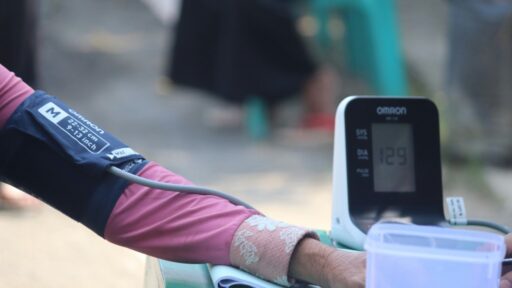


New data from a 1,575-patient trial show that treating obstructive sleep apnea with positive airway pressure can produce meaningful drops in blood pressure, even in people already taking multiple medications. The findings position sleep apnea therapy not just as a way to stop snoring, but as a cardiovascular treatment that could rival adding a new drug for resistant hypertension.
For clinicians and patients who have long viewed continuous positive airway pressure, or CPAP, as optional or purely for symptom relief, the study reframes adherence as a strategy to prevent strokes, heart attacks, and kidney disease driven by uncontrolled blood pressure.
How the 1,575-patient trial changed the sleep apnea and blood pressure conversation
The analysis followed 1,575 adults with moderate to severe obstructive sleep apnea who were prescribed positive airway pressure therapy and had high blood pressure at baseline. Many were already on antihypertensive drugs, yet their readings remained above recommended targets, a pattern that often signals resistant hypertension and elevated cardiovascular risk.
Researchers tracked blood pressure before and after sustained use of positive airway pressure, focusing on both office measurements and 24-hour ambulatory monitoring. According to reporting on the trial, patients who used therapy consistently experienced clinically significant reductions in systolic and diastolic pressure, with the largest gains among those who started with the highest readings. In effect, the device functioned like an additional blood pressure medication, but by treating a root cause rather than a downstream symptom.
The study highlighted that the magnitude of improvement depended heavily on adherence. Patients who used positive airway pressure for longer nightly durations saw greater drops in blood pressure than those who used it only a few hours or abandoned treatment. This dose response pattern strengthens the case that the therapy itself, rather than chance or medication adjustments, drove the change.
Harneet Walia, MD, who has studied the cardiovascular impact of sleep apnea treatment, has described how consistent positive airway pressure use can improve both daytime and nighttime blood pressure profiles. In coverage of the new data, she linked better control to reduced sympathetic nervous system activation and improved vascular function among patients who stick with positive airway pressure.
Ambulatory monitoring in the trial captured another key shift. Many participants moved from a non-dipping pattern, in which blood pressure stays high overnight, to a more normal dipping profile once their apnea was treated. That change matters because nighttime hypertension is strongly associated with stroke, heart failure, and chronic kidney disease, even when daytime readings look acceptable.
Why a blood pressure benefit from sleep apnea treatment matters right now
The timing of these findings intersects with several trends that have made blood pressure control harder, not easier, for many adults. Hypertension guidelines have tightened targets, yet control rates in primary care remain stubbornly low, particularly among people with obesity, diabetes, or chronic kidney disease. At the same time, clinicians are confronting polypharmacy, with some patients already taking three or four blood pressure drugs and still failing to reach goal.
Obstructive sleep apnea sits squarely in this intersection. It is highly prevalent in people with obesity and cardiometabolic disease, yet often goes undiagnosed for years. When it is recognized, treatment is frequently framed as optional quality-of-life care instead of a cardiovascular intervention. The 1,575-patient trial challenges that framing by showing that effective therapy can lower blood pressure in a range that typically prompts physicians to add or up-titrate medication.
The pathophysiology supports the clinical signal. Repeated nocturnal airway collapse triggers surges in sympathetic nervous system activity, intermittent hypoxia, and swings in intrathoracic pressure. Over time, these stresses stiffen blood vessels, promote endothelial dysfunction, and reset blood pressure regulation at a higher level. By stabilizing the airway and preventing apneic events, positive airway pressure reduces those surges and allows the cardiovascular system to operate under less strain.
For health systems, the implications are financial as well as clinical. Resistant hypertension and its complications drive hospitalizations, emergency visits, and costly procedures. If treating sleep apnea can shift a portion of these patients into better control without escalating drug regimens, the downstream savings in stroke units, catheterization labs, and dialysis centers could be substantial. The trial does not by itself quantify that economic impact, but it provides the physiological and clinical bridge needed to justify future cost effectiveness work.
The data also arrive at a moment when consumer awareness of sleep health is rising, fueled by wearables that track oxygen saturation and snoring, along with home sleep testing. Yet adherence to positive airway pressure remains a persistent challenge, with many patients abandoning therapy within months. Framing the devices as a way to protect the heart and kidneys, rather than just to quiet snoring, may help shift motivation from comfort alone to long term health protection.
What clinicians, patients, and health systems might do next with this evidence
The 1,575-patient trial is not a mandate, but it offers a clear set of action points for clinicians. Primary care physicians and cardiologists can treat uncontrolled hypertension as a cue to screen for obstructive sleep apnea, especially in patients with obesity, loud snoring, witnessed apneas, or morning headaches. Instead of reflexively adding a fourth drug, they can consider whether undiagnosed sleep apnea is sustaining the elevated readings.
Sleep specialists can also use the blood pressure data to reframe conversations about adherence. Rather than focusing only on daytime sleepiness or partner complaints, they can explain that wearing the device through the night can reduce the risk of stroke and heart attack by bringing blood pressure down. For some patients, that message may resonate more strongly than the promise of less snoring.
Health systems and payers can likewise reexamine how they support positive airway pressure use. Coverage policies that cut off funding after short trial periods, or that make mask replacements cumbersome, may save money in the short term but undermine long term cardiovascular outcomes. The blood pressure benefit documented in the large cohort suggests that investments in adherence coaching, remote monitoring, and equipment support could pay off in fewer high cost events later.
Future research will need to answer several questions that the current study raises. One is how durable the blood pressure improvement remains over years, not just months, and whether it translates into fewer strokes, myocardial infarctions, and episodes of heart failure. Another is how different modes of positive airway pressure, such as auto-titrating devices or bilevel systems, compare in their cardiovascular effects, particularly in patients with coexisting heart failure or atrial fibrillation.
There is also a policy question. If sleep apnea treatment is recognized as a blood pressure therapy, guidelines for hypertension management may need to integrate sleep evaluation more explicitly. That could include recommendations for routine sleep apnea screening in resistant hypertension, or even for home sleep testing as part of standard workups in high risk groups. Such shifts would require coordination between primary care, cardiology, and sleep medicine, as well as updated training for clinicians who have not traditionally viewed sleep disorders as part of cardiovascular care.
For patients, the message is both simple and demanding. Treating obstructive sleep apnea is not only about feeling more rested. It is a way to take pressure off the arteries every single night. The 1,575-patient study shows that consistent use of positive airway pressure can move the needle on blood pressure in a way that matters for long term health, provided that the mask stays on, the device stays in use, and the condition is taken as seriously as any other chronic cardiovascular risk factor.