
Federal safety regulators have ordered a recall of thousands of infant loungers marketed as CooCooBaby after finding that the popular pillows can create deadly suffocation and fall hazards. The loungers, sold largely through online marketplaces, were promoted as cozy spots for babies to rest, but officials now say they violate mandatory standards for infant sleep products and should be taken out of use immediately.
The recall comes amid a broader reckoning over soft, cushioned baby gear that blurs the line between lounging and sleep. It also underscores how quickly untested products can spread through e-commerce platforms before regulators or parents recognize the risks.
What changed with the CooCooBaby loungers and how the recall works
The U.S. Consumer Product Safety Commission announced that CooCooBaby baby loungers are being pulled from the market because they can lead to serious injury or death from suffocation and falls. According to the official recall notice, the products fail to meet the federal standard for infant sleep products, which is designed to keep babies on a flat, firm surface with no soft padding that could obstruct breathing.
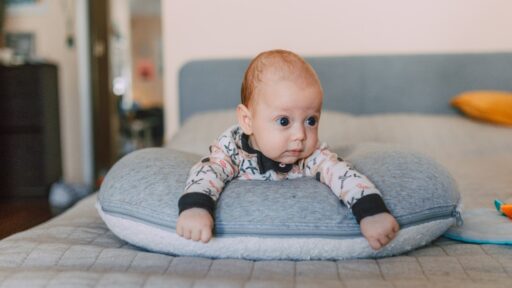
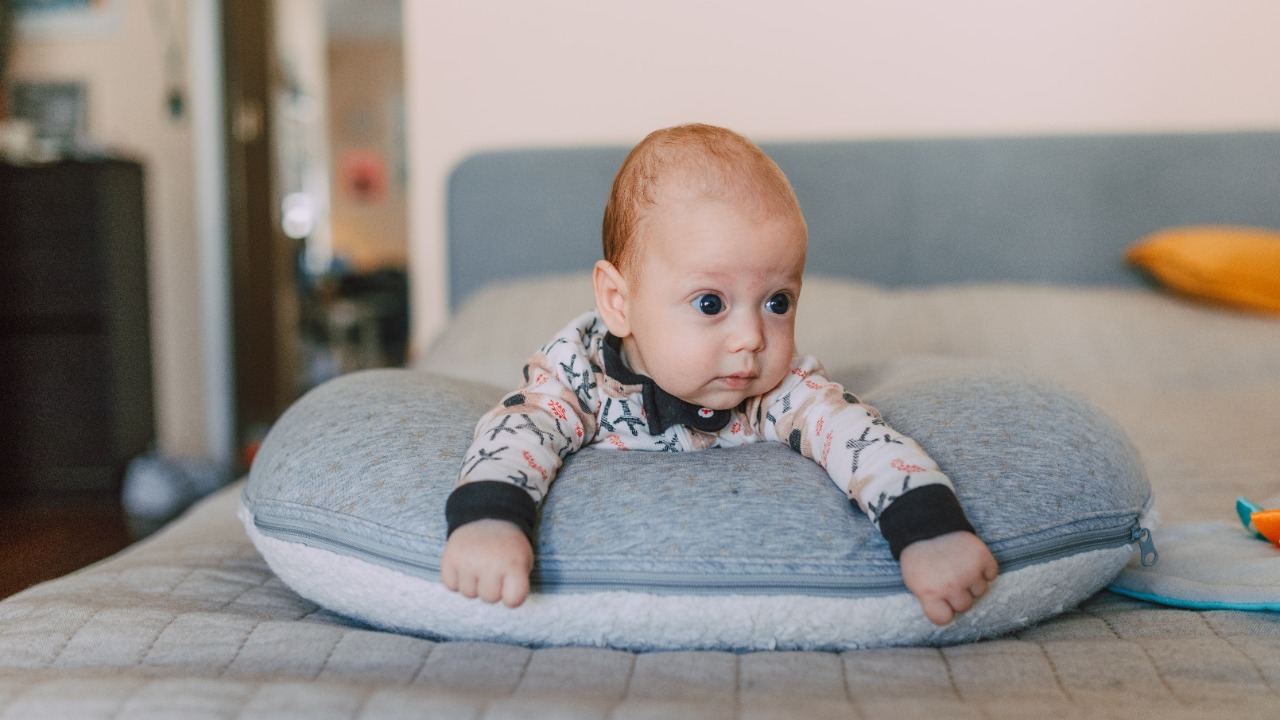
The loungers are soft, padded nests with raised sides that cradle a baby’s body. Regulators warn that if an infant rolls, turns their face into the cushion, or is placed on their side or stomach, the design can trap the child in a position where they cannot breathe. The CPSC also flags a fall risk when loungers are set on elevated surfaces such as couches, beds, or tables, because a baby can move or the product can tip, sending the child to the floor.
Reporting on the recall describes thousands of loungers sold primarily through Amazon and other online sellers, often under the CooCooBaby name and similar listings. One account notes that parents may recognize the product from listings that highlight soft, plush fabrics and photos of infants resting in the center of the cushion, details that are now at the heart of the safety concerns.
Consumers who own the loungers are being told to stop using them immediately and keep them out of any sleep environment, including cribs, bassinets, and adult beds. The CPSC recall explains how parents can contact the seller for a remedy, which typically involves a refund or credit, although the exact process can vary depending on where the product was purchased and how the seller is handling returns.
Some coverage notes that the loungers were marketed without clear warnings that they were not safe for unsupervised sleep, and in some cases promotional images showed babies sleeping in positions that contradict federal safe sleep guidance. That disconnect between marketing and safety standards is a key reason regulators determined the loungers violate the infant sleep product rule.
Why the CooCooBaby recall resonates with parents and safety advocates now
The CooCooBaby action arrives as parents have already been navigating a series of recalls involving baby loungers, inclined sleepers, and other cushioned products that seemed harmless until linked to infant deaths. During the same period, federal regulators have highlighted multiple children’s items for choking, suffocation, and fall hazards, including a group of four products described in a recent roundup that featured infant loungers similar in concept to CooCooBaby.
Health experts have repeatedly stressed that any soft, contoured surface can become dangerous when a baby’s airway is blocked, even if the product is labeled for lounging rather than sleep. The CPSC recall explicitly connects the CooCooBaby loungers to that risk, pointing out that babies can suffocate if they roll or their heads slump forward on the cushion. Coverage of the case notes that these dangers can arise silently and quickly, often without obvious struggle, which is why regulators treat suffocation hazards as life threatening even in the absence of confirmed fatalities.
The timing also reflects a tougher regulatory climate. The federal infant sleep standard now applies to a wide range of products that might be used for sleep, not just traditional cribs and bassinets. As a result, loungers, nests, and pillows must either be clearly kept out of sleep contexts or meet strict design rules. The CPSC found that CooCooBaby loungers do neither, leading the agency to conclude they are noncompliant products rather than simple accessories.
Parents are feeling the impact in practical ways. Many bought CooCooBaby loungers as baby shower gifts or registry items, often influenced by social media posts and online reviews. Local coverage aimed at caregivers, such as a regional safety warning, has emphasized that even if a baby seems content in a soft lounger, the product can still be unsafe for naps or overnight rest. That message challenges a common assumption that a calm or sleeping baby equals a safe environment.
The recall also fits into a broader pattern of infant products sold online without the same scrutiny that established brands might face. One report on the CooCooBaby case points out that thousands of units were available on Amazon and similar platforms before the hazard was widely recognized, creating a lag between sales and safety enforcement that leaves parents exposed. This dynamic has pushed advocates to call for stronger pre-market testing and clearer labeling for any product that could be used with sleeping infants.
How parents, retailers, and regulators are likely to respond next
For families who already own a CooCooBaby lounger, the immediate step is to remove it from any setting where a baby might sleep or be left unsupervised. The CPSC instructs consumers to follow the recall process to obtain a remedy, and news coverage has urged parents to check product labels and order histories to confirm whether their lounger is part of the affected group. One national report explains that the loungers were sold in multiple colors and patterns, which means visual recognition alone can be unreliable, a point echoed in a recall summary that walks consumers through identifying the product.
Retailers and online platforms face their own next steps. E-commerce sites are expected to block new listings for the recalled loungers and reach out to customers who purchased them, using order records to send alerts. Some coverage suggests that third-party sellers may attempt to relist similar products under different names, which would test how aggressively platforms enforce recall rules and monitor for repeat hazards.
Regulators are likely to use the CooCooBaby case as another example in their ongoing campaign to educate parents about safe sleep. The CPSC and pediatric groups have consistently advised that infants should sleep on their backs on a firm, flat surface with no pillows, bumpers, or soft bedding. The official recall reiterates that loungers are not a substitute for a crib or bassinet and should never be used inside those products. A regional outlet that amplified the recall alert framed it as part of a broader push to keep soft items out of infant sleep spaces entirely.
Policy discussions may also intensify around how to regulate baby products that sit in a gray area between gear and furniture. Loungers, nests, and similar cushions are often marketed for “supervised use,” a phrase that can be vague in practice. Advocates argue that if a product looks like a place where a baby might nap, regulators should assume it will be used that way and apply the strictest standards. The CooCooBaby recall gives those arguments fresh urgency by showing how quickly a popular item can move from trendy to banned once safety testing catches up.
For parents, the practical takeaway is to treat any soft, padded surface as off-limits for infant sleep, regardless of how it is advertised. Reports on the CooCooBaby loungers and other recalled items stress that safe alternatives do not need to be expensive or elaborate. A basic, flat crib mattress or an approved bassinet that meets the federal standard offers far more protection than any plush lounger. As one detailed account of the recent recalls makes clear, the common thread in these cases is not parental negligence, but products that invite unsafe use through their design.