
J.D. Power’s 2026 vehicle dependability study has turned the pickup segment on its head by naming the Ram 1500 the most reliable truck in its class and leaving Toyota’s Tundra out of the rankings altogether. In a market where brand loyalty is often measured in decades, that reversal of expectations is reshaping how shoppers, dealers, and automakers talk about long-term quality.
The new pecking order lands at a time when full-size and midsize trucks dominate American sales charts, and when buyers are keeping vehicles longer and paying more for them. A shift in perceived reliability carries real financial weight, from resale values to lease pricing and warranty strategies.
How J.D. Power’s 2026 methodology put Ram on top and pushed Tundra aside
J.D. Power’s dependability rankings are based on owner-reported problems, counted as issues per 100 vehicles after several years on the road. In the 2026 study, that survey-driven approach elevated the Ram 1500 above rivals such as the Ford F-150, Chevrolet Silverado 1500, and GMC Sierra 1500, which have traditionally dominated conversations about durability. The Ram’s score indicates that owners are seeing fewer defects, glitches, and design frustrations than in competing trucks over the same ownership window.
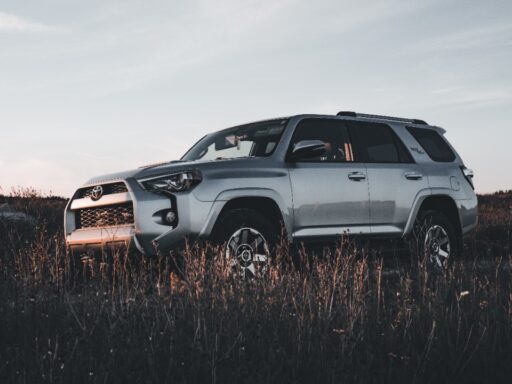
The absence of the Toyota Tundra is just as striking as Ram’s rise. Toyota has long traded on a reputation for bulletproof pickups, helped by the Tacoma’s strong performance in reliability rankings and the brand’s history of conservative engineering. Yet while the Tacoma continues to earn high marks in independent assessments of dependable pickups, including lists that compare the most reliable trucks across full-size and midsize segments, the Tundra does not appear in J.D. Power’s 2026 dependability hierarchy at all.
Several structural changes in the truck market help explain that divergence. The Ram 1500 has evolved into a more refined, tech-forward platform, with Stellantis investing heavily in interior quality, ride comfort, and powertrain calibration. That focus on everyday livability, from smoother transmissions to quieter cabins, often shows up directly in owner surveys that count squeaks, rattles, infotainment bugs, and drivetrain hiccups as equal hits against a vehicle’s score.
The Tundra, by contrast, has been in the middle of a generational transition that introduced a new twin-turbo V6 and hybrid variants, along with a more complex electronics architecture. Early-cycle models frequently carry more software updates, recalls, and owner complaints as manufacturers work through launch issues. If Tundra owners reported a higher volume of such problems, or if sample sizes did not meet J.D. Power’s thresholds, that would help explain why the truck failed to secure a place in the 2026 rankings.
Why Ram’s reliability win and Tundra’s absence reshape the truck market
Pickup buyers often treat reliability as a non-negotiable requirement, especially those who tow, haul, or depend on their trucks for work. A top ranking in J.D. Power’s dependability study gives the Ram 1500 a powerful talking point in showrooms that have long watched customers default to Ford, Chevrolet, and Toyota on perceived quality alone. For fleet managers and small-business owners, a data-backed signal that Ram is now the least trouble-prone full-size truck can influence purchase orders that run into dozens or hundreds of vehicles.
The reputational hit to Toyota’s full-size entry is just as significant. For years, shoppers willing to accept the Tundra’s lower sales volume and older design did so because they believed it would outlast domestic rivals with fewer headaches. The truck’s disappearance from a high-profile dependability list undercuts that narrative and may push some buyers to look more closely at competitors that combine modern features with strong long-term scores.
This shift comes as transaction prices for pickups climb into luxury territory. Many Ram 1500 trims now overlap with premium SUVs on cost, especially high-spec versions with advanced driver-assistance systems, air suspensions, and upscale interiors. As monthly payments stretch over longer loan terms, owners become more sensitive to the risk of out-of-warranty repairs. A strong dependability ranking can justify those higher prices by signaling that the truck is less likely to generate expensive surprises in its sixth or seventh year on the road.
Resale values also track closely with perceived reliability. Used buyers often rely on shorthand signals like J.D. Power scores when deciding between a higher-mileage domestic pickup and a lower-mileage import. If auction data and dealer appraisals begin to reflect Ram’s improved standing, owners of current-generation 1500s could see stronger trade-in offers, while late-model Tundras might face more skepticism until longer-term data catches up with the truck’s redesign.
The rankings have strategic implications for the automakers themselves. Stellantis can leverage the Ram 1500’s performance to argue that its quality push is paying off, bolstering investor confidence in a company that must fund both internal combustion and electrified truck programs. Toyota, in contrast, may feel pressure to accelerate software fixes, address any recurring complaints in the Tundra’s new powertrains, and communicate more aggressively with owners about updates that improve durability and user experience.
How shoppers and dealers should read the 2026 dependability shake-up
For consumers, the 2026 results are a reminder that brand reputation can lag behind reality. A buyer who grew up hearing that domestic pickups break more often than Japanese trucks now faces data that tells a more complicated story. The Ram 1500’s performance suggests that shoppers should look beyond old stereotypes and evaluate each model year on its own merits, particularly as automakers roll out new engines, transmissions, and infotainment systems that can dramatically change a vehicle’s reliability profile.
Dealers are likely to adapt their sales pitches around the new hierarchy. Ram retailers can highlight the dependability win as evidence that the truck’s plush interior and smooth ride do not come at the expense of durability. Ford and Chevrolet sales staff, meanwhile, may emphasize other strengths such as towing capacity, payload, or broader trim availability while they wait for future studies to show whether their own quality initiatives are closing the gap.
Toyota dealers face a more delicate task. They still have the Tacoma as a reference point for the brand’s truck reliability, and they can point to Toyota’s track record of long-lasting powertrains. Yet some Tundra shoppers will notice its absence from the 2026 ranking and ask why. Transparent conversations about the truck’s redesign, the learning curve that comes with new technology, and the company’s history of incremental improvement can help rebuild confidence, but those conversations will require more nuance than simply leaning on the Toyota badge.
Shoppers comparing trucks should also understand what dependability scores do and do not capture. Owner surveys weigh all problems equally, from a glitchy touchscreen to a failed transmission. A truck that has a few serious mechanical issues but fewer minor complaints could, on paper, look similar to one that runs flawlessly yet frustrates owners with fussy software. Test drives, warranty coverage, and independent service records remain essential parts of a thorough evaluation.
What the 2026 rankings signal about the next generation of trucks
The 2026 study arrives just as the pickup segment enters a period of rapid change, with more hybrid and battery-electric models on the horizon and a growing focus on software-defined vehicles. Ram’s strong showing with a relatively complex, feature-rich 1500 suggests that manufacturers can add comfort and technology without sacrificing reliability, as long as they invest in validation and long-term testing.
Future rankings will test whether that balance holds as trucks gain even more connectivity and driver-assistance features. Over-the-air software updates can fix bugs more quickly, but they can also introduce new problems if not managed carefully. Automakers that treat reliability as a continuous process, rather than a one-time engineering milestone, are more likely to stay near the top of owner satisfaction surveys.
For Toyota, the next few years will be critical. If the company can refine the Tundra’s new powertrains, streamline its electronics, and respond quickly to early complaints, later dependability studies may show the truck climbing back into the conversation. The brand’s history suggests that it often uses early customer feedback to polish mid-cycle updates, which could help the Tundra reclaim some of the trust it once enjoyed by default.