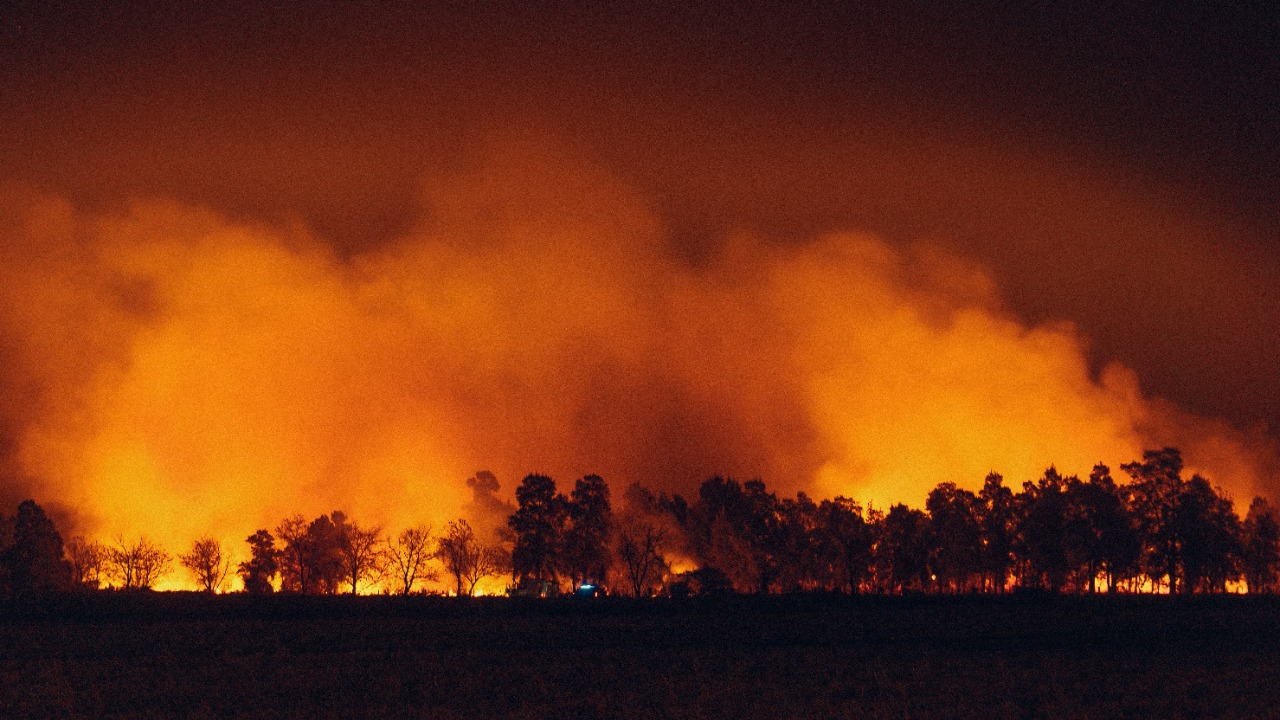

More than 34,000 wildfires have already burned across the United States this year, a tally that would be notable by the end of a typical fire season, not before summer has even peaked. The figure points to a year in which fire is arriving earlier, spreading faster, and colliding with drought and heat in ways that strain firefighters and communities alike.
Behind that number are neighborhoods on edge, forests transformed into fuel, and a firefighting system that must now treat large, destructive fires as a near year-round threat rather than a seasonal emergency.
How this year’s wildfire pattern is different from the past
The raw count of more than 34,000 ignitions tells only part of the story. What stands out to fire managers is where and when those fires are erupting, and how quickly some of them are turning into fast-moving disasters. Regions that historically saw shorter, more defined fire seasons are now dealing with flames in months that once brought reliable moisture, cooler temperatures, or both.
In the Southeast, for example, a severe lack of rainfall has turned typically green landscapes into tinder. In Georgia, a large blaze in the southern part of the state has already destroyed dozens of homes and burned through roughly 5,000 acres, according to officials who described entire blocks reduced to ash in a matter of hours. The fire, which began in dry vegetation near residential areas, forced rapid evacuations as shifting winds pushed flames through pine forests and into subdivisions.
Firefighters on the ground in Georgia have described a pattern that feels more like the height of a Western fire season than a spring event in the humid South. Local crews were quickly joined by state and federal resources as the blaze jumped roads and firebreaks that might have held in past years. The speed of the fire left some residents with little time to gather belongings, a reminder that the traditional mental map of “safe” and “risky” months is no longer reliable.
Meanwhile, smaller but persistent fires have dotted grasslands, agricultural areas, and wildland-urban fringes in multiple states. Many of these ignitions are contained quickly, yet they still pull resources, generate smoke, and reveal how broadly the risk is spread. Fire officials say the cumulative effect of these incidents is a season that feels relentless, even when no single blaze is dominating national headlines.
How drought and heat are supercharging fire risk
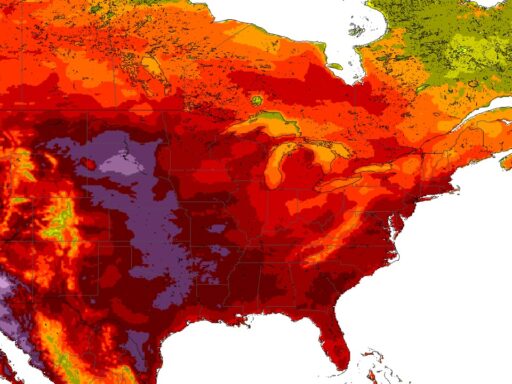
The surge in fires is closely linked to the way drought and heat have reshaped local conditions. In parts of Georgia, meteorologists have classified the current situation as “exceptional drought,” the most severe category, with soil moisture depleted and vegetation stressed to the point that even small sparks can take off. That parched backdrop has helped ignite a wave of wildfires across the state, as fields, forests, and roadside grasses all dry out at once.
During exceptional drought, fuels that would normally need days of hot, dry weather to reach critical flammability can become dangerous after a single windy afternoon. In Georgia, this has meant that routine activities such as equipment use, debris burning, or even a vehicle pulling off onto a grassy shoulder can trigger a blaze that spreads beyond initial control lines. Firefighters have described flames running through pine needles and leaf litter that, in wetter years, might have smoldered instead.
Heat compounds the problem. Prolonged warm spells pull even more moisture out of vegetation, while overnight temperatures that stay elevated give fires less time to calm down. In several fire zones, crews have reported “active” fire behavior late into the night, a pattern that used to be rare outside the height of summer. That shift limits opportunities for firefighters to safely attack fires at their weakest and increases fatigue among personnel who must work longer, hotter shifts.
Climate scientists have long warned that a warming atmosphere would lengthen fire seasons and intensify drought in many regions. The current year’s pattern, with tens of thousands of fires by spring and large incidents in places like southern Georgia, fits that expectation. While not every blaze can be directly linked to climate change, the background conditions that make large fires more likely are increasingly shaped by higher temperatures and more erratic precipitation.
Why the early surge in fires matters for communities and budgets
An early and widespread fire season has consequences that extend far beyond the burn scars. For communities on the edge of forests and grasslands, the sheer number of ignitions increases the odds that one of them will line up with strong winds, dry fuels, and difficult terrain in a way that overwhelms local defenses. Residents in parts of Georgia have already experienced that reality, as a fast-moving fire tore through neighborhoods and left families sifting through debris where homes once stood.
The financial stakes are also rising. State and federal agencies plan their budgets around expected fire activity, but a year with more than 34,000 fires before midyear can quickly exhaust contingency funds. Extended deployments drive up overtime costs, equipment wear, and aviation expenses. When large fires hit early, agencies may be forced to shift money from prevention work, such as prescribed burns and forest thinning, to cover immediate suppression needs.
Health impacts add another layer. Even fires that never threaten structures can send smoke across county and state lines, degrading air quality for millions. Fine particles from wildfire smoke aggravate asthma, heart disease, and other respiratory conditions, and they do not respect jurisdictional boundaries. Communities far from the flames can find themselves under air quality alerts, with outdoor events canceled and vulnerable residents urged to stay indoors.
The human toll on firefighters is harder to quantify but just as real. A longer, more intense fire season means more time away from families, more exposure to hazardous conditions, and higher risk of injuries. Fire agencies have already been grappling with recruitment and retention challenges, and an early surge in incidents can accelerate burnout among experienced personnel who are vital for managing complex operations.
What this year’s fires reveal about preparedness and policy gaps
The current pace of wildfires is exposing gaps in how the country prepares for and lives with fire. Many communities still rely on outdated assumptions about where fire will burn and how quickly it will move. In Georgia, some residents who lost homes reported that they had little warning before flames arrived, even though the broader region had been under extreme drought conditions for weeks. That disconnect highlights the need for more aggressive public communication when environmental indicators point to elevated risk.
Land use patterns are another pressure point. As development pushes deeper into forests and rural areas, more homes and businesses sit in what experts call the wildland-urban interface. In these zones, even a relatively small fire can cause significant damage, because it has more structures to burn and more people to evacuate. Building codes, defensible space requirements, and community planning all influence how vulnerable these neighborhoods are when a fire starts.
On the policy side, debates continue over how to balance aggressive suppression with the use of prescribed fire and mechanical thinning to reduce fuel loads. The rapid spread of the Georgia fires has prompted renewed calls for more proactive treatments in fire-prone forests, yet those programs require steady funding and public support. Smoke from prescribed burns can be unpopular, but experts argue that planned, lower-intensity fire is far preferable to the uncontrolled plumes that accompany large wildfires.
Insurance markets are also reacting. In some states, insurers have raised premiums or pulled back from high-risk areas after repeated fire losses. If the current year’s pattern of widespread ignitions and destructive incidents continues, more homeowners could face higher costs or reduced coverage, which in turn affects property values and local tax bases