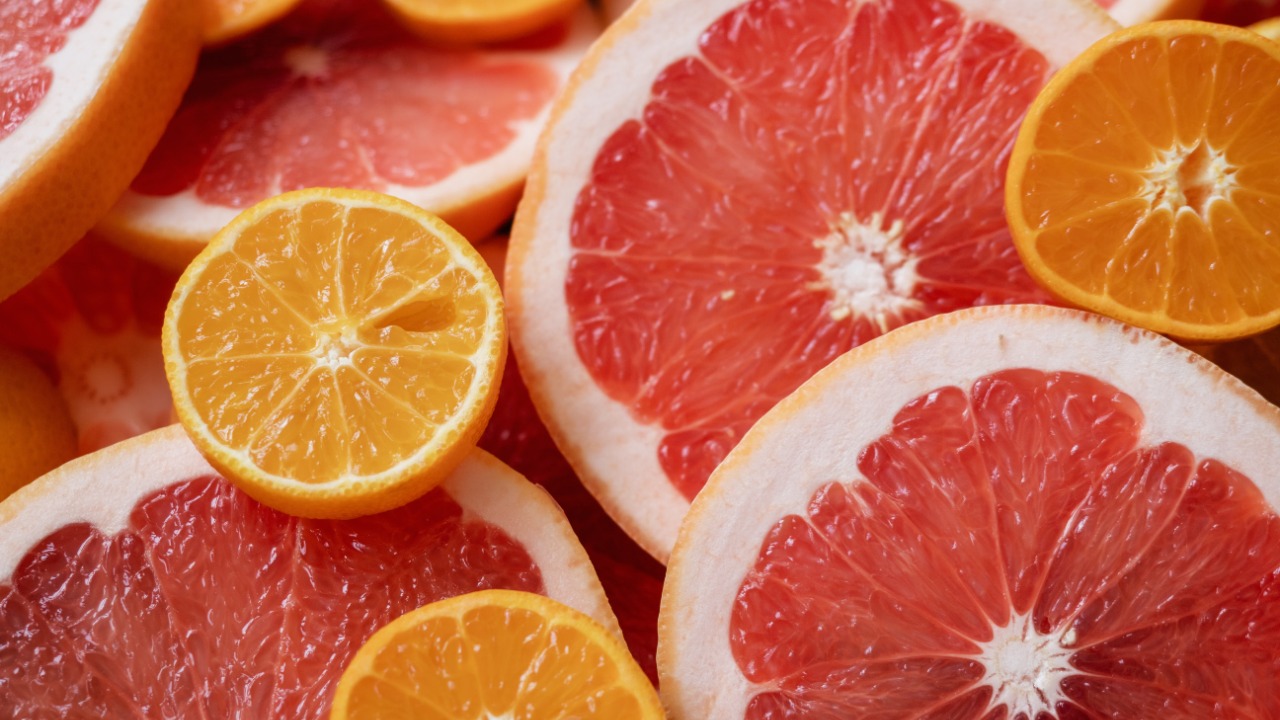

Grapefruit looks like a model of healthy eating, but for some prescriptions it behaves more like a drug itself. Compounds in the fruit can change how certain medications are absorbed and broken down, which can turn a standard dose into too much or, in some cases, not enough. For people on long term therapies, knowing which medicines clash with grapefruit can be as important as remembering the dose on the label.
How grapefruit disrupts drug levels in the body
The concern with grapefruit is not about acidity or vitamin C. The problem comes from plant chemicals called furanocoumarins, which block a key enzyme in the small intestine known as CYP3A4. That enzyme normally helps break down many medicines before they reach the bloodstream.
When CYP3A4 is blocked, more of the drug gets through the gut wall, so the effective dose in the blood can jump higher than intended. The FDA explains that a single glass of grapefruit juice can sometimes raise blood levels of certain medications to the equivalent of several doses. For a few drugs, grapefruit can also interfere with transport proteins that move medicine into and out of cells, which adds another layer of unpredictability.
Not every prescription is affected, and even within a drug class some products are safe while others are not. The risk depends on how strongly a specific medicine relies on CYP3A4 in the gut and on how sensitive it is to higher blood levels.
Seven everyday drug categories that clash with grapefruit
Clinicians usually talk about grapefruit interactions in terms of drug families rather than single products, because many people take more than one prescription that shares the same pathway. Current guidance from clinical reviews and consumer resources such as grapefruit interaction lists highlights several groups that appear again and again.
- 1. Statins for high cholesterol. Drugs such as simvastatin, lovastatin and atorvastatin rely on CYP3A4 in the intestine. If grapefruit juice blocks that enzyme, blood levels can rise and increase the risk of muscle pain, weakness or, in rare cases, muscle breakdown and kidney injury. Guidance on statins and grapefruit notes that others in the same class, such as pravastatin and rosuvastatin, do not significantly interact and are often preferred for people who want to keep grapefruit in their diet.
- 2. Certain blood pressure medications. Several calcium channel blockers, including felodipine and nifedipine, are affected by CYP3A4 inhibition in the gut. Higher blood levels can lead to exaggerated drops in blood pressure, dizziness or heart rhythm changes. Some angiotensin receptor blockers and other heart drugs may also be affected, although the impact varies by product.
- 3. Antiarrhythmics for heart rhythm problems. Medications used to control abnormal heart rhythms, such as amiodarone and dronedarone, can have narrow safety margins. Reports compiled in diet and drug describe grapefruit raising blood levels of several of these drugs, which may increase the risk of serious rhythm disturbances.
- 4. Some psychiatric and anxiety medicines. Certain benzodiazepines, such as triazolam and midazolam, and several antidepressants and antipsychotics are metabolized through CYP3A4. When grapefruit juice is on board, sedation, confusion or movement side effects can become more pronounced.
- 5. Immunosuppressants used after transplants. Drugs such as cyclosporine, tacrolimus and sirolimus are essential for preventing organ rejection and are dosed very precisely. Grapefruit can increase their levels, which raises the risk of kidney damage, infections and other toxic effects. Because transplant teams already monitor blood levels closely, they usually insist that patients avoid grapefruit entirely.
- 6. Certain antibiotics and antifungals. Some macrolide antibiotics and azole antifungals can interact with grapefruit through the same enzyme pathway. In these cases, higher levels may increase the chance of liver problems or heart rhythm changes, especially when combined with other interacting drugs.
- 7. Newer targeted and cancer therapies. A number of oral cancer medicines and other targeted therapies are designed to be taken by mouth and depend heavily on gut enzymes for predictable dosing. Summaries of foods that interfere note that grapefruit can significantly boost exposure for several of these agents, which may intensify side effects such as fatigue, diarrhea or low blood counts.
These categories do not cover every possible interaction, but they include many of the prescriptions that people take for years. That combination of long term use and narrow dosing margins is what makes grapefruit such a recurring concern in clinic visits and pharmacy consults.
Why grapefruit related risks are getting more attention
Grapefruit interactions are not new, yet they have become more visible as prescribing patterns and diets have shifted. Several trends help explain why clinicians keep returning to the same warning.
More people are taking multiple chronic medications at once. As drug lists grow, the odds increase that at least one prescription will depend on CYP3A4 in the gut. A single daily glass of juice can then affect several drugs at the same time, which makes side effects harder to trace back to a single cause.
At the same time, the rise of health focused eating has encouraged year round consumption of fresh fruit and juice, including grapefruit. Nutrition advice that highlights citrus for vitamin C or fiber does not always mention drug interactions, so many patients assume that all fruit is automatically compatible with their prescriptions. Consumer explainers on food and medication stress that healthy foods can still be a problem in specific medical contexts.
The number of oral therapies that use the same metabolic pathways has also grown. Many newer cancer drugs, heart medicines and psychiatric treatments are designed as pills rather than infusions. That design is convenient for patients, but it also means more high stakes therapies now pass through the same intestinal enzymes that grapefruit blocks.
People also often underestimate how long grapefruit’s effect can last. The intestinal enzyme takes time to regenerate after it has been blocked, so the interaction does not vanish as soon as the juice is out of the stomach. Some guidance notes that the impact can linger for more than a day, which means spacing a pill and a glass of juice by a few hours does not always solve the problem.
How patients and clinicians can navigate the grapefruit problem
Managing these interactions usually does not require giving up either the medication or the fruit forever. Instead, it calls for clear communication and a few practical habits.
Pharmacists and prescribers often start by checking whether a safer alternative in the same drug class is available. For example, if someone on simvastatin enjoys grapefruit several times a week, switching to a statin that does not interact significantly may be easier than banning a favorite breakfast food. Similar substitutions are sometimes possible for blood pressure medicines and psychiatric drugs.
When no good alternative exists, the safest course is usually to avoid grapefruit in all forms, including fresh fruit, juice and flavored drinks that contain real grapefruit. Labels can be confusing, so patients are often advised to look for “grapefruit” in the ingredient list rather than rely on front label branding.
Medication reviews are another key tool. People who see several specialists may accumulate overlapping prescriptions, and not every clinician will think to ask about juice or fruit habits. A yearly sit down with a pharmacist or primary care clinician, focused on how medicines interact with diet and supplements, can catch problems before side effects appear.
Public health messaging can also help reframe the issue. Grapefruit is not uniquely dangerous, and for many people it remains a perfectly reasonable choice. The risk lies in the combination of specific drugs and the fruit’s enzyme blocking chemicals. Clear, specific counseling that names the affected medications tends to be more helpful than blanket warnings that discourage all citrus.