
On a construction site near the spa town of Bad Camberg in the German state of Hesse, archaeologists have uncovered a richly furnished Celtic burial that had lain untouched for more than two millennia. The grave, identified as a princely tomb, contained gold jewelry, weapons, a complete wagon and imported luxury goods that point to an elite buried around the late Iron Age. The discovery already ranks among the most significant Celtic finds in Central Europe and is reshaping how specialists understand power, trade and belief in this part of what is now Germany.
New discoveries inside the Bad Camberg Celtic princely grave
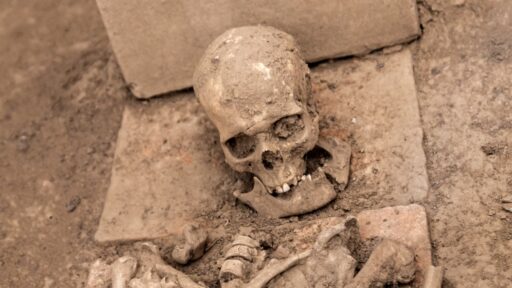
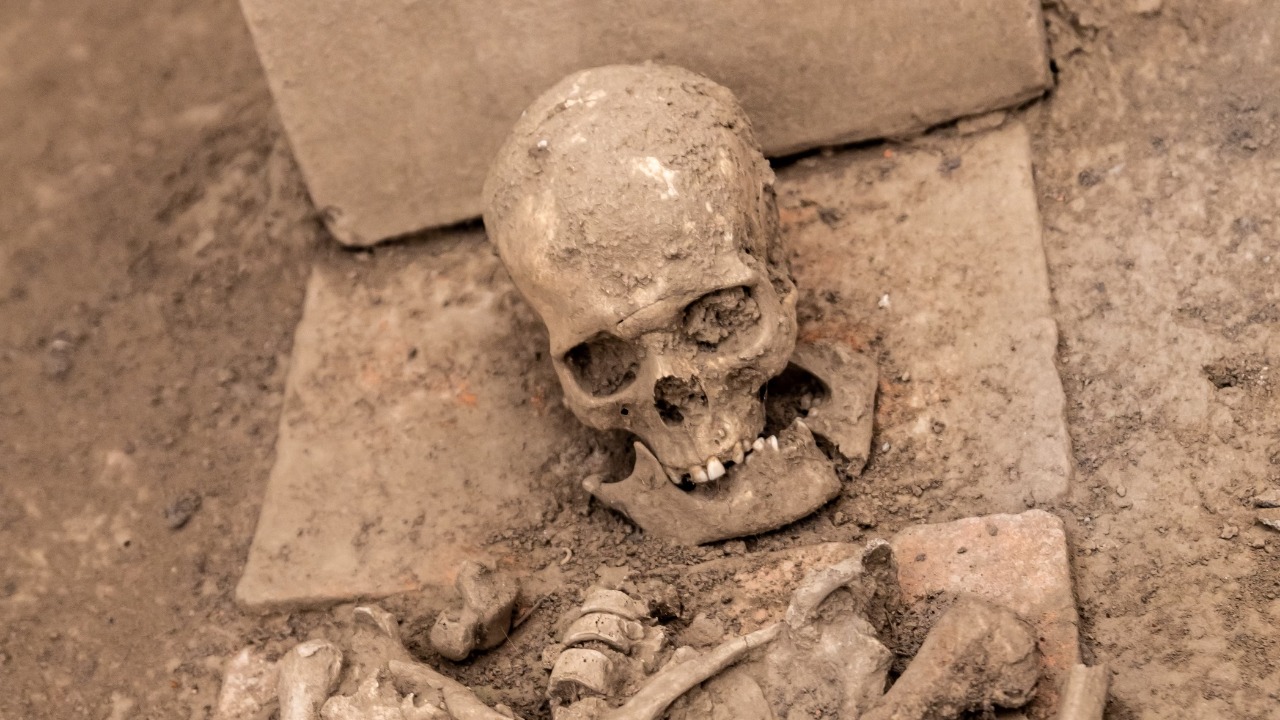
The grave came to light during routine archaeological monitoring of planned construction near Bad Camberg, when excavators exposed a large wooden chamber and a dense concentration of grave goods. According to reports on the excavation, the burial is a so‑called princely tomb from the late Hallstatt or early La Tène period, dating back more than 2,000 years, and is exceptional in both size and preservation. The chamber contained the remains of a high‑status individual, likely male, accompanied by objects that mark him as a member of the Celtic elite in Hesse.
Inside the chamber, archaeologists found a four‑wheeled wagon in situ, its iron fittings and wheel components still lying where they were placed at the funeral, a feature that immediately connects the grave to other elite Celtic burials across Central Europe. The wagon appears to have been used in life and then repurposed as a funerary vehicle, a practice known from other princely tombs. In the Bad Camberg case, the wagon was surrounded by weapons, including an iron sword and spearheads, which suggest that the deceased was not only wealthy but also associated with martial status and leadership within his community.
Among the most striking finds are several pieces of gold jewelry, including a neck ring and ornate fibulae, along with finely worked bronze vessels and imported ceramics that point to long‑distance connections. One report notes that the tomb contained gold, weapons and a wagon in a combination that clearly signals a princely burial in the Celtic cultural sphere, with specialists comparing the assemblage to other high‑ranking graves in southern Germany and eastern France. The composition of the grave goods, with personal adornments, feasting equipment and transport, paints a picture of a figure who embodied wealth, power and social display.
Excavation teams working with the regional heritage authorities have stressed the remarkable state of preservation inside the chamber. Wood fragments from the wagon and the grave construction, along with organic remains from textiles and possibly leather, survived in the damp soil, giving researchers rare material for scientific analysis. According to an account of the dig, the princely tomb was sealed in a way that protected it from later disturbances, which is why the gold ornaments, weapons and wagon fittings remained in their original positions for more than two thousand years. This intact context offers archaeologists a clear snapshot of elite Celtic funerary practice at the moment of burial.
Why this 2,000‑year‑old elite burial matters for understanding Celtic Europe
The Bad Camberg grave matters far beyond its immediate region because it adds a new data point to the map of Celtic power centers in Central Europe. For decades, archaeological narratives of Celtic elites have focused on famous sites such as Hochdorf, Vix and the princely seats along the upper Danube and Rhine. The discovery of a similarly rich princely tomb in Hesse shows that political and economic influence in the late Iron Age was more widely distributed than older models suggested. As one analysis of the find notes, the combination of gold jewelry, weapons and wagon in this grave indicates a local power base that controlled trade routes crossing the Taunus and linking the Rhine with central Germany.
Imported goods in the tomb are particularly revealing. Among the grave furnishings are Mediterranean or Mediterranean‑inspired vessels and fine ceramics that likely reached Hesse through long‑distance exchange networks. Specialists argue that such objects signal direct or indirect contact between Celtic elites in Central Europe and communities to the south, possibly via the upper Rhine and Rhône corridors. In the Bad Camberg burial, these imports sit alongside local products, showing how foreign prestige items were integrated into regional traditions to reinforce status and authority.
The weapons and wagon also speak to the social role of the deceased. Comparative studies of Celtic princely graves indicate that wagons were symbols of mobility and rank, used in processions and feasts that displayed wealth to followers and rivals. The presence of an iron sword and spearheads in the Bad Camberg chamber links the buried individual to a warrior identity, which in many Celtic societies was closely tied to leadership. Archaeologists interpret this combination of martial equipment and luxury goods as evidence that the grave owner stood at the top of a hierarchical community, with the funeral serving as a final performance of his status.
From a scientific perspective, the tomb provides an exceptional laboratory for modern analytical techniques. Conservators are recovering residues from metal vessels and ceramics that may reveal what kind of food and drink accompanied the dead into the afterlife. Isotopic analysis of teeth and bones can shed light on diet and mobility, helping to answer whether this elite figure grew up locally or moved into the region as part of a broader political network. According to detailed coverage of the excavation, the regional heritage service plans a multi‑year research program that will combine traditional typology with cutting‑edge methods in archaeometry and bioarchaeology.
The discovery has also captured public attention in Germany and abroad. Reports on the excavation describe how local authorities in Hesse quickly recognized the significance of the find and increased security at the site to protect it from looting. The phrase “princely tomb” has resonated in media coverage, turning what began as a routine construction‑related dig into a story about deep history beneath a modern landscape. For residents of Bad Camberg and the wider region, the grave has become a tangible link to a Celtic past that is often overshadowed by later Roman and medieval heritage.
Future research, conservation and public access for the Bad Camberg find
With excavation of the chamber completed and the most delicate objects removed, the focus is shifting to conservation and long‑term research. The wagon, weapons and gold jewelry have been transported to specialist laboratories where conservators are stabilizing corroded metal and fragile organics. According to an in‑depth report on the project, the restoration of the wagon alone is expected to take several years, since every iron fitting and surviving wood fragment must be cleaned, documented and reassembled. This painstaking work will eventually allow the wagon to be displayed in a way that reflects its original appearance in the grave.
Archaeologists are also working through a dense archive of digital data from the excavation. The team used 3D scanning, photogrammetry and detailed stratigraphic recording to capture the position of every object in the chamber before removal. These records will feed into a virtual reconstruction of the tomb, which researchers hope to share both within the academic community and with the public. One account notes that the regional heritage authorities in Hesse are already discussing how to integrate the Bad Camberg grave into museum exhibitions, with the goal of presenting the wagon and key grave goods in a dedicated gallery once conservation is complete.
Further scientific analysis will address several open questions. Radiocarbon dating of organic materials from the chamber should refine the chronology of the burial within the late Hallstatt and early La Tène periods. Isotopic studies of the human remains will test whether the deceased grew up in the Taunus region or came from another part of Europe. Metallurgical analysis of the gold ornaments and iron weapons will trace the sources of raw materials and the techniques used by Celtic craftspeople. As one detailed overview of the discovery explains, these studies are expected to clarify how local elites in Hesse were connected to broader economic and political networks across Iron Age Europe.