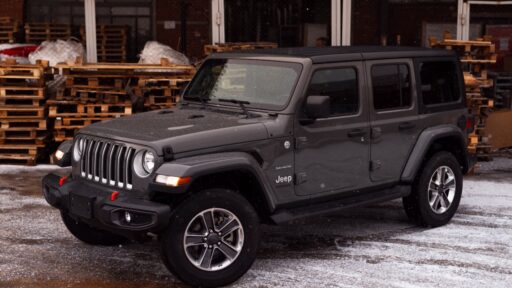
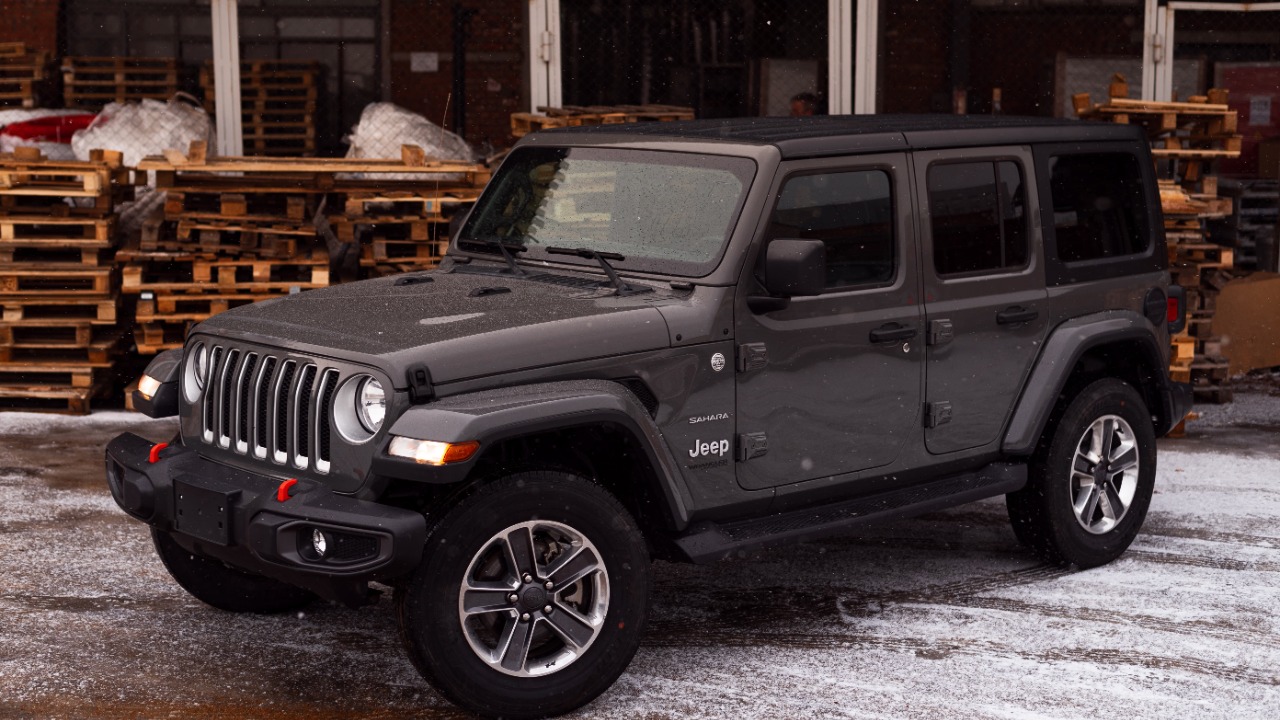

Jeep is recalling 1,076,999 Wrangler and Gladiator vehicles in the United States after identifying a defect that can cause the rear driveshaft to overheat and spark a fire. The automaker and federal regulators have linked the problem to 51 vehicle fires, raising new questions about how quickly modern safety risks are caught and communicated to drivers. The recall is one of the largest in Jeep’s recent history and affects some of its most popular off-road models.
How the Jeep fire recall expanded to more than 1 million vehicles
The recall covers certain Jeep Wrangler and Jeep Gladiator trucks equipped with automatic transmissions, according to federal safety filings and dealer communications. These vehicles use a specific driveshaft design that can allow debris and moisture into the component, which can then lead to overheating and, in some cases, ignition in the underbody area of the vehicle. Regulators tied this defect to 51 confirmed fires, including incidents where the vehicles were parked.
Jeep’s parent company identified the pattern during internal reviews of field reports and warranty claims, then notified the National Highway Traffic Safety Administration that more than 1,076,999 vehicles would need inspection and repair. Safety bulletins describe how the rear driveshaft boot can fail, allowing contaminants to reach the universal joint and surrounding components. Under load, especially in off-road use, that damage can generate enough heat to ignite nearby materials.
Owners of the affected Wrangler and Gladiator models are being told that dealers will inspect the driveshaft assembly and replace it if necessary. The repair is expected to involve new components that better seal out moisture and debris, along with updated routing and shielding where needed. Notices explain that the work will be performed at no cost to customers, a standard requirement for safety recalls overseen by NHTSA.
Regional coverage has underscored how widespread the campaign is. Reports aimed at drivers in Texas describe the recall as reaching more than one million vehicles nationwide and highlight that the fire risk is considered significant enough that owners are urged to schedule service as soon as possible. One local outlet in El Paso framed the campaign as an urgent safety issue for Wrangler and Gladiator owners and summarized the basic defect and free repair in its recall guidance.
Coverage from Michigan, where Jeep has a large manufacturing and engineering footprint, has emphasized the scale of the recall and the link to 51 fires. A detailed report for Midland readers explained that NHTSA’s recall database lists 1,076,999 vehicles and that Jeep will notify owners by mail, with dealers instructed to prioritize vehicles that show any signs of driveshaft damage or burning smells. That report on the Wrangler and Gladiator also notes that no injuries or crashes have been confirmed in connection with the fires.
Why the Wrangler and Gladiator fire risk is drawing national attention
The recall matters for more than its size. Wrangler and Gladiator models are central to Jeep’s brand identity, marketed as go-anywhere vehicles that can tackle trails and daily commutes alike. A fire risk that can emerge during normal driving, or even while parked, cuts directly against that promise of rugged dependability. It also heightens scrutiny of how Jeep manages quality control in high-stress components like the driveshaft on vehicles that are often used off-road.
NHTSA’s involvement adds another layer of significance. The agency’s recall notice explains that the defect can lead to fires without prior warning to the driver, which raises the stakes for rapid outreach. Radio coverage of the agency’s action has stressed that more than 1 million vehicles are covered and that the recall follows confirmation of 51 fires tied to the same mechanical issue. One broadcast report summarized NHTSA’s findings for listeners and urged owners to check their VINs after the federal recall alert.
The geographic spread of the vehicles also matters. Wrangler and Gladiator sales are strong in colder, coastal, and rural regions where road salt, mud, and water crossings are common. All of those conditions can accelerate wear on underbody components. A Connecticut-focused report on the recall noted that drivers in the state often use Wranglers through harsh winters, which can expose the driveshaft area to salt and slush that worsen sealing problems. That coverage explained how local dealers are preparing for an influx of inspections after the Gladiator and Wrangler reached the region.
On Long Island, where many residents rely on SUVs and trucks for commuting and beach access, the recall has been framed as a direct safety concern for families. Local transportation reporting there has highlighted that 51 fires have already been documented and that some incidents occurred while vehicles were stationary, which means the risk is not limited to high-speed driving. The same coverage has reminded owners to park outside and away from structures if they notice burning odors or smoke from the underbody, at least until repairs are completed, citing the details of the Jeep fire recall.
National outlets have also picked up the story, pointing out that this recall lands amid a broader wave of fire-related safety campaigns across the auto industry. Electric vehicles have drawn attention for battery fires, but this case involves a traditional mechanical component in gasoline-powered trucks and SUVs. That contrast has fed a wider conversation about how both new and old technologies can create fire risks if design or manufacturing problems slip through.
What Jeep owners and the company are likely to face next
For Jeep owners, the immediate next step is to confirm whether their vehicle is part of the recall and schedule a dealer appointment. Owners can check their 17-character VIN on NHTSA’s online recall lookup tool or contact Jeep customer service. Once parts and procedures are in place, dealers will inspect the rear driveshaft, look for damaged boots or signs of heat, and install updated components where needed. Some owners may face short wait times if parts supplies are tight, especially in regions with heavy Wrangler and Gladiator sales.
Automotive analysts expect Jeep to roll out a coordinated communication push that includes mailed notices, email alerts, and dealer outreach. The company will also need to train technicians on the specific inspection steps and repair process, since a misdiagnosed driveshaft could leave the underlying fire risk unresolved. A national television segment on the recall has already walked viewers through how the defect occurs and encouraged owners not to ignore mailed notices, summarizing the scope of the campaign for more than 1 million vehicles and linking it to 51 confirmed fires in its broadcast coverage.
Jeep also faces reputational and potential legal consequences. While current reporting indicates no confirmed injuries, fire incidents can quickly lead to property damage claims and class-action lawsuits if owners argue that the company should have acted sooner. The fact that these are popular, relatively new vehicles increases the pressure on Jeep to show that it has identified the root cause and engineered a durable fix. Consumer advocates are likely to watch whether any additional fires occur after repairs, which would raise questions about the adequacy of the remedy.
Regulators, for their part, may scrutinize Jeep’s internal timeline. NHTSA routinely reviews when automakers first became aware of patterns in field reports and how quickly they moved to a formal recall. If the agency concludes that the company delayed action, it can impose civil penalties. At the same time, NHTSA is likely to use this case as a data point in its broader monitoring of fire risks in both conventional and electrified vehicles, since underbody heat and debris intrusion are common themes across multiple brands.
Drivers are also likely to see more targeted alerts through insurance apps and vehicle connectivity services. Some insurers now flag open recalls to policyholders, especially when the defect involves fire risk. Automotive news sites and consumer blogs have already begun publishing step-by-step instructions on how to check for the Wrangler and Gladiator campaign, with one widely shared piece on an auto news portal describing the recall as an “urgent fire danger” for more than 1 million vehicles and summarizing the defect in its recall briefing.