
Smart speakers are supposed to wake only when they hear a specific word, then briefly record and process the command. In practice, researchers and user logs have shown that devices like Amazon Echo, Google Nest, and Apple HomePod can mishear everyday speech as the wake word and start recording anyway. For many households, that means short clips of private life may be captured and sent to the cloud dozens of times a day without anyone realizing it.
Those accidental activations are more than a technical quirk. They feed into vast datasets used to train voice systems, can be reviewed by human contractors, and may sit on corporate servers long after the moment has passed. As more homes add microphones in living rooms, bedrooms, and kitchens, the gap between what people think these devices are doing and what they actually do is getting harder to ignore.
How smart speakers started listening more often than people expect
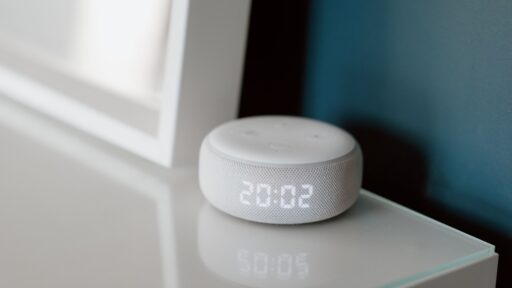
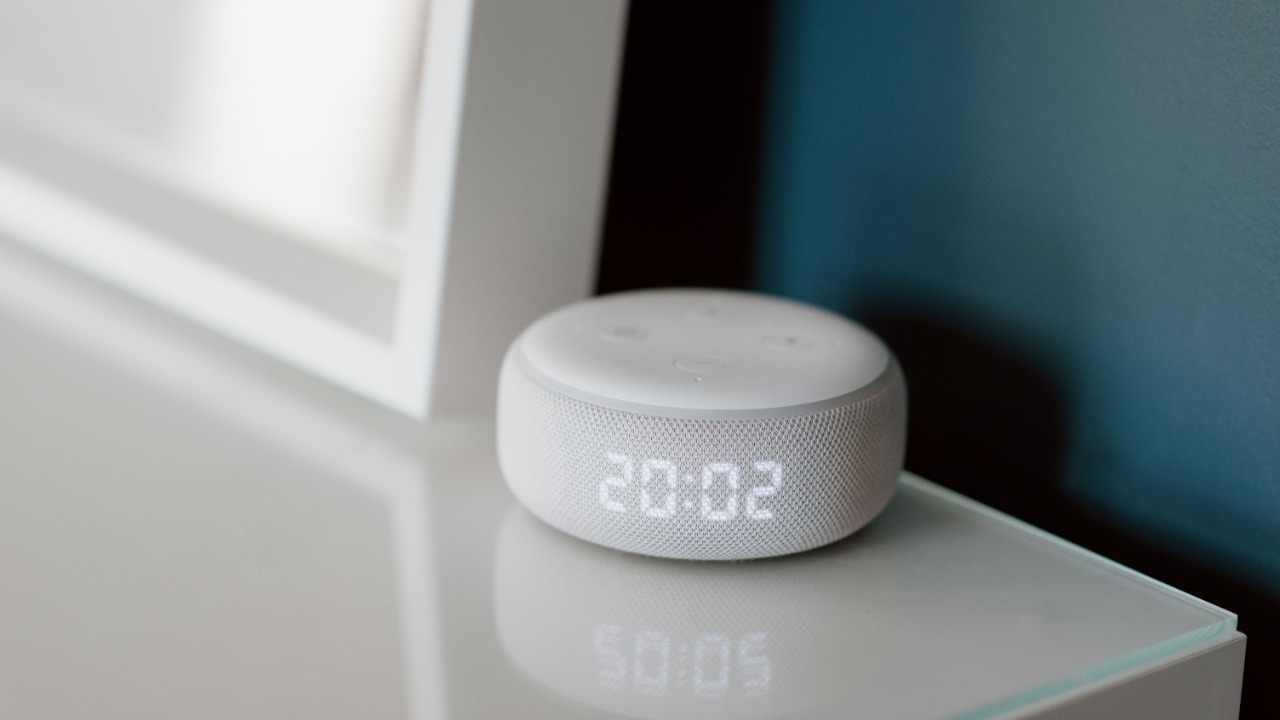
Smart speakers are built around a simple promise: they listen locally for a wake word, then send audio to the cloud only after that trigger. In reality, the wake word engines are probabilistic, constantly weighing whether a sound might match the chosen phrase. Everyday words, TV dialogue, or a child shouting across the room can be close enough to trigger an unintended recording.
Security researchers who have examined traffic from voice assistants have repeatedly found short, unexplained clips heading to vendors’ servers. In controlled tests, conversations that never included “Alexa,” “Hey Google,” or “Hey Siri” still produced uploads when the system misclassified similar syllables as the wake word. Over a full day, these false positives can add up to something close to hourly recordings, especially in busy or noisy homes where there is more speech for the algorithm to misinterpret.
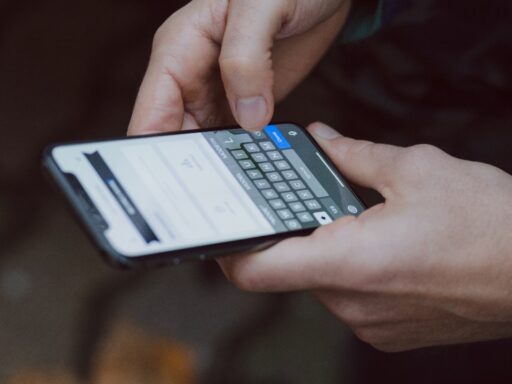
The broader pattern is not limited to smart speakers. Analysis of how mobile voice assistants work has shown that phones can also send short bursts of audio when the system wrongly detects a trigger phrase. One detailed explanation of how microphones, buffers, and wake word detection operate on smartphones notes that small segments of audio are constantly cycled in memory, and that misfires can cause that buffer to be uploaded even if the user never meant to activate the assistant. That behavior, described in depth in a technical overview of whether phones listen to, closely mirrors what happens in smart speakers parked on a kitchen counter.
Manufacturers have gradually acknowledged the scale of these unintended activations. After public scrutiny, several major platforms added privacy dashboards that show voice history entries, including those tagged as “unintentional.” Users who scroll through those logs often find snippets that captured background conversations, arguments, or TV shows that only vaguely resembled the wake word. Each of those clips reflects a moment when the device started listening without an explicit request.
Why near-hourly unintended recordings raise new privacy stakes
Accidental recordings matter because they change the risk profile of having a microphone in the home. People generally accept that a smart speaker will hear a command like “set a timer” or “turn off the lights.” They do not expect it to capture fragments of a medical discussion, a financial call, or a child’s voice when no one addressed the device. Yet those are exactly the kinds of moments that can be swept up when a wake word engine misfires.
Once a clip is captured, it typically leaves the home. For most major platforms, audio is transmitted to cloud servers where it is transcribed and analyzed. Vendors have used some of these recordings to improve recognition models, which historically involved human reviewers listening to anonymized snippets to grade accuracy. Even when names and addresses are stripped out, the content of a recording can reveal intimate details about a household. The risk is not only that an employee or contractor might hear something sensitive, but also that the text and audio could be exposed in a breach or retained longer than users expect.
There is also a growing concern about how these voice snippets intersect with targeted advertising and broader data profiles. While some companies say they do not use raw audio directly for ad targeting, transcripts and derived insights can still feed into behavioral models. The same technical principles that allow phones to pick up nearby conversations and then show eerily relevant ads, a pattern dissected in research on whether devices are quietly eavesdropping, can apply to smart speakers that sit within earshot of daily life.
For households with multiple occupants, the stakes are higher. Guests, children, or caregivers may never have agreed to live with a networked microphone, yet their voices can be captured whenever the device mishears a phrase. That creates a consent gap: one person buys a speaker, but everyone who walks through the door becomes part of its dataset. In shared apartments or dorms, there can be no realistic way for a privacy-conscious person to avoid being recorded if a roommate insists on keeping a voice assistant plugged in.
Legal frameworks are still catching up. In many jurisdictions, wiretapping and recording laws were written for phone calls or deliberate surveillance, not for automated systems that occasionally misinterpret sound. Some regulators have started to investigate how much control users really have over deletion, how long vendors keep audio, and whether “accidental” recordings should be treated differently from explicit commands. Until those questions are resolved, households are effectively relying on corporate policies and settings menus as their main line of defense.
Practical steps to cut down on unwanted listening
Consumers who want the convenience of voice control without constant ambient listening have more options than simply unplugging the device. Most smart speakers now offer hardware mute buttons that disable the microphone entirely. Using that switch as the default, then unmuting only when a command is needed, can sharply reduce the number of stray recordings, though it makes hands-free use less seamless.
Another approach is to treat the smart speaker like a piece of sensitive infrastructure and physically manage its environment. Some privacy-focused users have experimented with enclosures and covers that block or dampen sound when the device is not in use. One inventive project describes a 3D printed “cone of silence” that fits over the top of a speaker and uses acoustic baffling to keep everyday conversation from reaching the microphones. The design, shared as a way to win back some, highlights how far some people are willing to go to regain control over when their devices can hear them.
For those who prefer software controls, vendors typically provide dashboards that list every captured interaction. Regularly reviewing that log and deleting anything that looks like a misfire can limit how long unintended clips remain on company servers. Some platforms also allow users to disable saving audio altogether, or to automatically purge recordings after a set period such as three or eighteen months. Shorter retention windows reduce the amount of material available if a breach or subpoena ever occurs.
Placement also matters. Putting a smart speaker in a central hallway instead of a bedroom, or away from the television, can reduce both the sensitivity of what it hears and the number of accidental activations. Choosing a less common wake word, when the platform allows it, can cut down on overlaps with normal conversation or popular character names in streaming shows.
Ultimately, the most effective strategy is to treat every networked microphone as if it might mishear and record. That does not mean abandoning voice assistants entirely. It does mean making conscious choices about which rooms they occupy, which settings are enabled, and how aggressively to prune the voice history that accumulates in the background. As smart speakers grow more capable and more deeply woven into home infrastructure, the quiet recordings they capture by mistake may become one of the most important privacy questions in consumer technology.