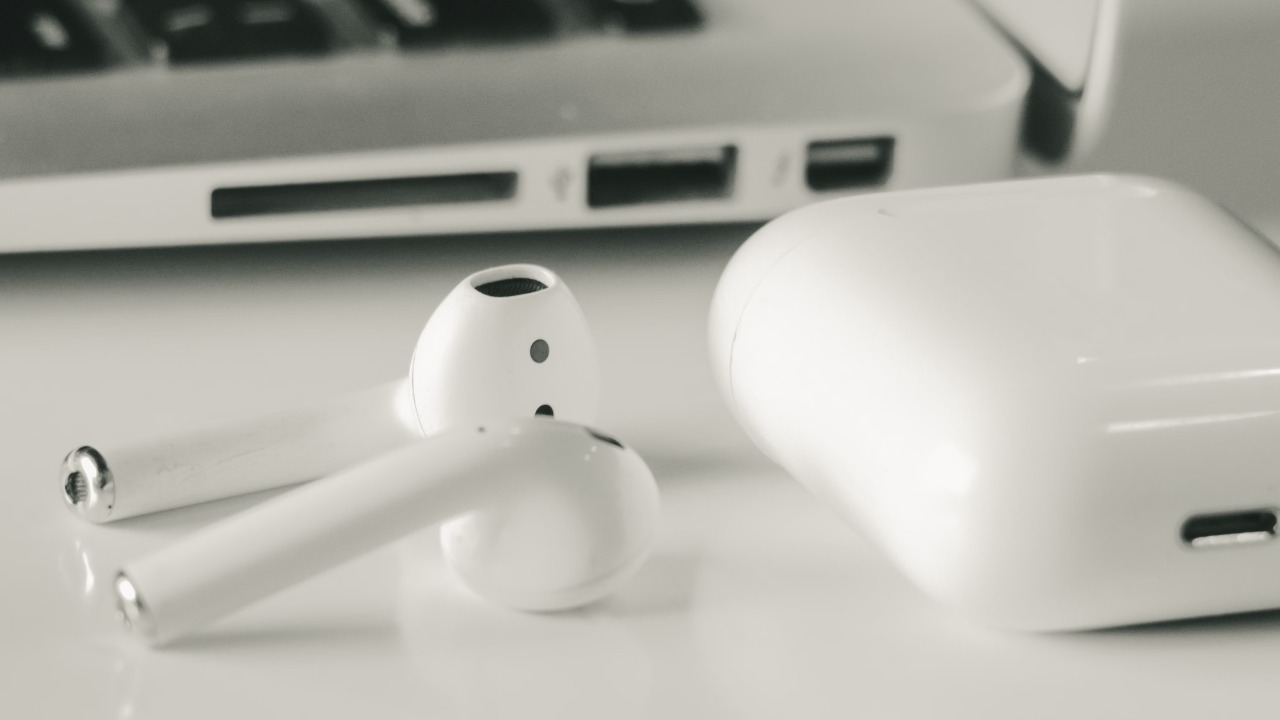

Apple’s AirPods Pro have quietly crossed a line that separates everyday earbuds from medical devices. With new software and federal clearance, the $249 buds many people already own can now function as an over-the-counter hearing aid for adults with mild to moderate hearing loss. That shift could reshape how millions think about hearing care, pricing, and stigma.
Rather than requiring a dedicated device from a specialist, some users can now tap a feature in Apple’s ecosystem and turn their earbuds into a regulated tool for hearing support. The move blends consumer tech with health care in a way that challenges traditional hearing aid makers and may pull more people into getting help earlier.
What changed inside AirPods Pro to qualify as a hearing aid
The key change is not in the hardware but in Apple’s software and the way it is regulated. AirPods Pro 2 already included features such as Conversation Boost, Adaptive Transparency, and personalized audio tuning. Apple has now built those capabilities into a hearing health feature that the Food and Drug Administration has cleared as an over-the-counter hearing aid for adults with perceived mild to moderate hearing loss, according to federal filings.
This feature uses the AirPods’ external microphones to pick up voices and environmental sound, then processes that audio to amplify speech and reduce some background noise. Users complete a short hearing assessment inside the iPhone’s settings, which lets the system tailor amplification to each ear. Reporting on the update notes that the software is designed to meet the technical requirements for OTC hearing aids, including maximum output levels and safety limits for long-term use in everyday environments, rather than just boosting everything like a basic sound amplifier.
Unlike prescription hearing aids that must be fitted by an audiologist, this mode is classified within the FDA’s over-the-counter category. That category was created to let adults buy hearing help directly, without a medical exam, for certain levels of hearing loss. Apple’s implementation sits squarely in that lane, with the AirPods Pro 2 and a compatible iPhone or iPad acting as the delivery system for the regulated function.
Health writers who have reviewed the feature describe it as more than a simple accessibility add-on. One analysis of affordable hearing options notes that the AirPods-based system offers frequency-specific amplification profiles that resemble what entry-level hearing aids provide, although it still lacks some of the fine-grained tuning and clinical follow-up that come with higher-end medical devices.
A separate consumer-focused breakdown of the FDA-cleared feature emphasizes that the hearing mode is aimed at adults who notice difficulty following conversations in noisy places, watching television at normal volumes, or hearing soft voices, but who may not yet be ready to seek formal audiology care. Those use cases align with the OTC category’s intended audience and help explain why Apple framed the feature as “hearing health” rather than a full replacement for clinical treatment.
Why an FDA-cleared hearing mode in AirPods matters right now
Hearing loss is common, underdiagnosed, and often untreated. Analysts point to tens of millions of adults in the United States with measurable hearing loss, while only a fraction use hearing aids. Cost, stigma, and access to specialists all contribute to that gap. By turning a popular set of earbuds into a regulated hearing device, Apple is attacking all three barriers at once.
Price is the first factor. Traditional prescription hearing aids can run into thousands of dollars per pair. Even newer OTC models often cost several hundred dollars. AirPods Pro 2 list at $249, and many buyers already own a pair for music and calls. As one review of hearing aid value points out, that price compares favorably with many OTC competitors when users can get both premium earbuds and basic hearing support in the same product. For someone hesitant to spend heavily on a dedicated device, the marginal cost of trying hearing assistance through AirPods can feel much lower.
Stigma is the second. Wearing visible hearing aids still carries social baggage for many people, especially those in their 40s, 50s, and 60s who do not see themselves as “old.” AirPods, by contrast, signal everyday tech use. Health advocates quoted in coverage of Apple’s hearing features argue that disguising hearing support inside mainstream gadgets could encourage earlier adoption, which is linked to better long-term outcomes for communication and cognitive health.
Convenience is the third. OTC hearing aids still require research, comparison shopping, and sometimes in-person adjustments. The AirPods approach bundles discovery, setup, and daily use into the devices and apps many people already navigate every day. A user can run the hearing test in the iPhone interface, apply the personalized profile, and toggle hearing assistance from Control Center without visiting a clinic. For people in rural areas or those juggling work and caregiving, that simplicity can be decisive.
There are trade-offs. Audiologists caution that the AirPods system does not replace a full diagnostic exam, especially for sudden or asymmetric hearing loss that might signal a medical problem. Some reviewers also highlight that AirPods are not designed for all-day wear in the same way as traditional hearing aids, which are optimized for comfort, battery life, and moisture resistance. Reports on older users’ experiences note that while tech-savvy adults may embrace the feature, others may struggle with Bluetooth pairing, charging, and software updates.
Still, for a large group of adults with mild difficulties, the AirPods option could serve as a gateway. People who discover meaningful benefit might be more likely to pursue a formal hearing test later, while those who do not notice improvement can learn that their challenges might stem from other issues such as attention, room acoustics, or more severe loss that requires specialized care.
What this shift means for hearing care, tech, and what comes next
Apple’s move lands in a hearing market that has already started to change under the OTC rules. Big-box retailers, online brands, and consumer electronics companies have all introduced lower-cost devices for mild to moderate loss. AirPods Pro 2, backed by FDA clearance for hearing support, add a powerful player with enormous distribution and marketing reach.
Industry analysts expect pressure on traditional manufacturers, especially at the entry-level price tier. If a shopper can buy one product that handles music, calls, noise cancellation, and regulated hearing assistance, they may think twice about a single-purpose OTC device that costs a similar amount. Reviews of the second-generation AirPods Pro already highlight their strong audio performance and everyday comfort, which now double as selling points for potential hearing aid users.
At the same time, Apple is careful to frame the feature as a first step in hearing health, not a full medical solution. The company’s own hearing health announcements emphasize education, self-assessment, and integration with the Health app, which can track audio exposure and listening habits. That positioning leaves room for partnerships with audiologists and hearing clinics that might use AirPods as a screening or transitional tool rather than a competitor.
Regulators will be watching closely. The FDA’s OTC framework is still relatively young, and Apple’s entrance tests how far consumer tech can go while staying within safety and labeling rules. Coverage of the software clearance notes that any future expansions in amplification range or marketing claims could trigger additional scrutiny. Other tech companies may also seek similar approvals, which could lead to a wave of earbuds and headphones with regulated hearing modes.
For consumers, the next phase will be about experimentation and expectations. Early adopters will test AirPods Pro 2 in restaurants, offices, and family gatherings to see whether they can follow conversations more easily. Some will likely discover that the feature helps in specific scenarios, such as one-on-one chats in moderate noise, but struggles in chaotic spaces like crowded bars or stadiums. That pattern mirrors how many entry-level hearing aids perform, where microphone placement and processing cannot fully overcome acoustic challenges.