
Across the United States, heat now kills more people each year than tornadoes, floods, or hurricanes. The country still pictures swirling funnels and raging rivers as its most dangerous weather, yet the deadliest threat is often a cloudless sky and a string of days when the air simply does not cool down.
That reality has reshaped how meteorologists, health officials, and lawmakers think about risk. As summers grow hotter and heat waves last longer, the quiet, invisible nature of extreme heat is emerging as one of the central public safety challenges of the next decade.
How extreme heat overtook tornadoes and floods as the top killer
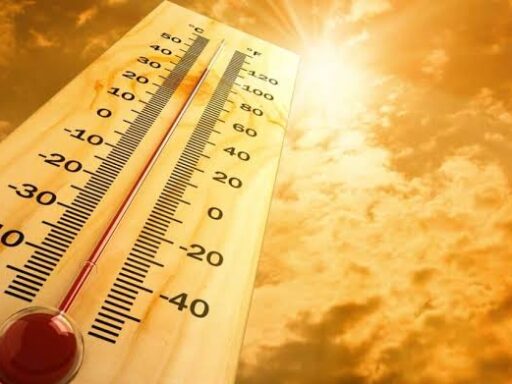
For generations, weather danger in the United States was defined by spectacle. Tornadoes carved visible scars across towns, and floods swept away cars and homes. Heat, by contrast, rarely leaves dramatic damage behind, yet federal data now show that prolonged high temperatures are responsible for more deaths than any other weather hazard. Analyses of recent years have consistently found that heat waves cause more fatalities than hurricanes, floods, and tornadoes combined, a pattern highlighted in research on extreme heat mortality.
The danger comes from how the human body responds when it can no longer shed heat efficiently. During multi day heat waves, especially when nights stay warm, the cardiovascular system strains to keep core temperature stable. Dehydration, thickening blood, and underlying conditions such as heart disease or diabetes can turn a hot afternoon into a medical emergency. Reporting on heat as the has described how many victims never make it to a hospital, and how death certificates often list heart failure or respiratory distress rather than heat stroke, which leaves the true toll undercounted.
In places more accustomed to other hazards, the numbers have been especially jarring. Oklahoma, known worldwide for violent tornadoes, has seen more people die from high temperatures than from twisters in recent years. Local experts have warned that heat is now, pointing to state statistics that show heat related deaths quietly exceeding tornado fatalities. That reversal captures a national pattern, where the hazards that dominate public imagination are no longer the ones doing the most harm.
Compounding the problem, heat deaths are rarely counted with the same precision as storm casualties. Floods and tornadoes leave obvious scenes that trigger investigations and insurance claims. Heat often kills indoors, in apartments without air conditioning or in nursing homes where cooling systems fail. Epidemiologists who compare death rates on hot days to baseline conditions consistently find far more heat related fatalities than official tallies, reinforcing the conclusion that extreme temperatures have become the country’s most lethal form of weather.
Why the rising toll from heat demands urgent attention now
Heat’s growing deadliness is colliding with a climate that is warming and a built environment that often traps hot air. Recent summers have delivered record breaking stretches of triple digit temperatures across the South and West, and even northern cities have endured nights that remain uncomfortably warm. Meteorologists now warn that large parts of the United States can expect longer and more frequent heat waves, a trend highlighted in coverage of America’s intensifying heat.
These events rarely come alone. The same hot, dry conditions that drive heat waves also fuel wildfires and worsen drought. National roundups of recent weather disasters have linked extreme heat, wildfires, as overlapping crises, where one hazard sets the stage for another. Prolonged heat dries out vegetation, raising the risk of fast moving fires. When storms finally arrive, they can dump heavy rain on parched soil or burn scars, leading to flash flooding.
The health impacts of heat are unevenly distributed. Older adults, children, outdoor workers, and people with chronic illnesses face the highest risk of heat exhaustion and heat stroke. Farmworkers, delivery drivers, and construction crews often labor through the hottest hours of the day with limited shade or access to cool indoor spaces. Urban residents in low income neighborhoods experience what researchers call the urban heat island effect, where dense pavement, limited tree cover, and older housing stock can make some blocks several degrees hotter than wealthier, leafier areas nearby.
Access to cooling is another dividing line. Air conditioning has become a basic survival tool during heat waves, yet high energy costs and aging equipment leave many households vulnerable. When power grids strain under peak demand, outages can turn entire neighborhoods into danger zones. Coverage of heat as the has highlighted cases where residents without reliable cooling were disproportionately represented among the dead.
Heat also affects institutions that are not traditionally viewed as part of the weather safety system. Schools wrestle with whether to cancel classes or sports practices when heat indices soar. Prisons and jails, many of them built decades ago without modern cooling, have reported rising medical emergencies during hot spells. Hospitals see spikes in emergency room visits for dehydration, kidney problems, and mental health crises when temperatures climb.
Despite these impacts, public messaging about heat often lags behind the urgency of the threat. Tornado warnings trigger sirens and push alerts. Flood watches lead to road closures and sandbag lines. Heat advisories can sound routine by comparison, even when forecasters are warning of conditions that are statistically more deadly. That gap between perception and reality is one reason health officials argue for reframing extreme heat as a major public safety emergency rather than a background discomfort of summer.
How policy, infrastructure, and public awareness could adapt to a hotter future
As the death toll from high temperatures becomes harder to ignore, policymakers are beginning to treat heat as a standalone hazard that requires dedicated planning and funding. Some members of Congress have called for stronger national standards on heat preparedness, including better public alerts, expanded cooling centers, and support for local emergency plans. Representative Mike Lawler, for example, has highlighted the rising risks from heat in discussions of weather related safety, pointing to the need for federal resources that match the scale of the threat.
At the city and state level, the next phase of adaptation is likely to focus on three fronts. First, infrastructure: upgrading power grids to handle intense summer demand, retrofitting public housing and schools with efficient cooling, and redesigning streetscapes with more trees, reflective roofs, and shaded transit stops. Second, targeted protection for vulnerable groups: formal heat safety rules for outdoor workers, automatic wellness checks for isolated seniors during heat emergencies, and dedicated funding for community organizations that can distribute fans, portable air conditioners, or utility bill assistance.
Third, communication: making heat warnings as clear and action oriented as tornado or flood alerts. Some jurisdictions are experimenting with naming heat waves, similar to winter storms, to emphasize their seriousness. Others are revising how they describe risk, focusing less on raw temperature and more on combined heat and humidity indices that better reflect what the human body experiences.
Public health experts also argue for integrating heat planning into broader climate and housing policy. That includes zoning rules that encourage green space, incentives for energy efficient retrofits, and building codes that require homes to stay within safe temperature ranges even during power outages. Coverage describing extreme heat as in the United States has emphasized that many of the solutions, such as planting trees or upgrading insulation, also cut energy bills and improve air quality.
Ultimately, the shift in America’s deadliest weather hazard from storms to heat is forcing a broader rethink of what safety looks like in a warming world. The country has built a sophisticated system to track tornadoes, map floodplains, and evacuate coastal communities ahead of hurricanes. The next challenge is quieter but no less urgent: building a culture, and an infrastructure, that treats a relentless stretch of hot days with the same seriousness as a visible disaster.