
Stellantis has ordered more than one million Jeep owners in North America to stop parking in garages and near buildings after identifying a fire risk that can occur even when the vehicles are turned off. The company says a defect in the power steering system can trigger electrical overheating and, in rare cases, start a blaze, prompting an urgent recall and a blunt message to keep these Jeeps outside and away from the house. The warning extends a pattern of fire-related safety actions at Stellantis and raises fresh questions about how quickly automakers are catching potential ignition hazards in modern vehicles.
How the Jeep fire-risk recall escalated into a park-outside warning
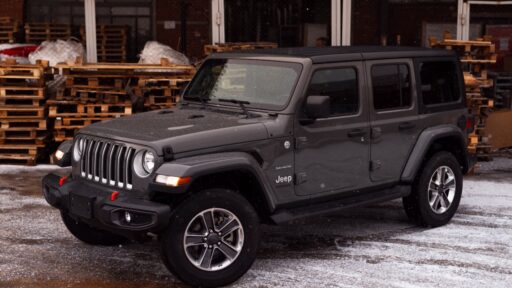
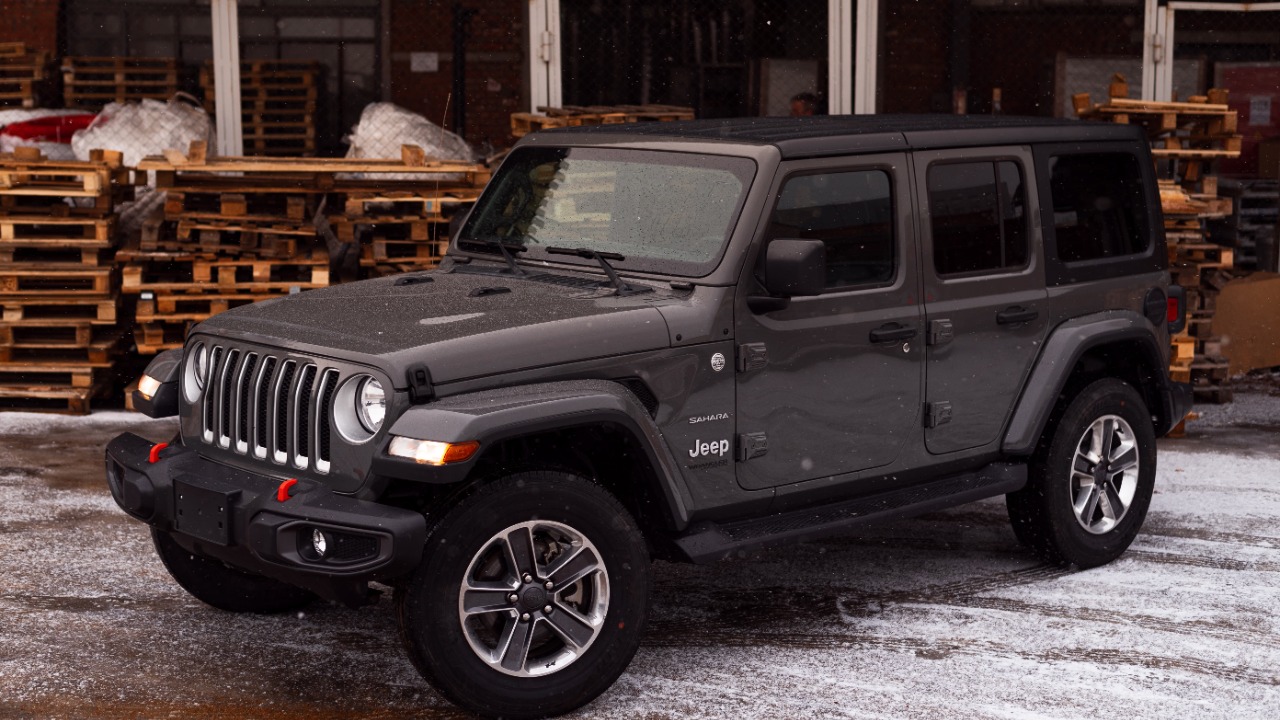
Stellantis is recalling more than 1.3 million Jeep Wrangler and Gladiator vehicles worldwide over concerns that an electrical fault could cause an engine compartment fire, according to a company notice summarized in a regulatory filing. The recall covers specific Wrangler and Gladiator model years equipped with a hydraulic power steering system that can leak fluid onto hot surfaces, creating a risk of smoke and fire even when the engine is off.
In the United States, more than one million Jeep Wrangler and Gladiator owners are affected, with the bulk of the vehicles built over several consecutive model years as detailed in a recall summary. The defect centers on a power steering hose or related component that can degrade over time. When it fails, fluid can escape and contact ignition sources in the engine bay, which has already been linked to a number of reported thermal incidents.
According to recall documentation cited in coverage of the Wrangler and Gladiator, Stellantis told regulators that it has received field reports of smoke and under-hood fires that appear tied to this steering system problem. The company has not publicly detailed every incident but has acknowledged that some events occurred while vehicles were parked and turned off, which is why the guidance to park outside is so blunt.
The automaker plans to notify owners and dealers, then replace the suspect steering components with revised parts at no cost. Until that work is done, Stellantis is urging drivers not to park these Jeeps in garages, carports, or near structures where a sudden fire could spread quickly. The park-outside language mirrors phrasing that regulators have increasingly used for any vehicle with a credible risk of unattended ignition.
Why this recall and park-outside advice matter for Jeep owners now
The most immediate reason this recall matters is the nature of the risk. A vehicle that can catch fire while parked and switched off is not just a threat to the driver, it is a direct hazard to homes, apartment complexes, and shared garages. Stellantis explicitly warned that affected Wrangler and Gladiator models should be stored away from buildings, a step that reflects the same caution it has shown in other fire-related campaigns, including a separate recall of Chrysler Pacifica minivans.
Earlier this year, Stellantis recalled a group of Chrysler Pacifica plug-in hybrid minivans for a high-voltage battery defect that could also lead to a fire when the vehicle was parked and not running. Owners of those vans were told to park outside and away from structures while engineers worked on a remedy, according to a company notice. That previous campaign helps explain why Stellantis is moving quickly to use similarly strong language for the Jeep recall.
For many Wrangler and Gladiator owners, the advice is not trivial. These vehicles are popular in urban neighborhoods where secure indoor parking is common, and in suburban homes where attached garages sit directly under bedrooms. The instruction to park outside can clash with insurance requirements, homeowner association rules, and basic convenience. Yet the alternative is accepting a non-zero chance that a parked vehicle could ignite and spread flames into a home before anyone notices.
The recall also underscores that fire risk is not limited to electric vehicles or plug-in hybrids. In the Jeep case, the problem stems from hydraulic steering components and traditional under-hood heat sources, not a high-voltage battery pack. That context matters because it reinforces what safety investigators have repeatedly found: complex modern vehicles, whether gasoline, hybrid, or electric, contain multiple potential ignition points that must be managed through design, testing, and field monitoring.
Consumer advocates are likely to focus on how quickly Stellantis identified the pattern and moved to a recall. The Wrangler and Gladiator are high-volume, high-visibility models that often see heavy off-road use, which can stress steering and suspension components. Owners who experience steering fluid leaks, burning smells, or dashboard warnings may have dismissed them as typical wear and tear. The recall reframes those symptoms as potential fire precursors and gives owners a clear path to a free fix.
The scope of the campaign also raises questions about dealer capacity. With more than a million affected Jeeps in North America alone, service departments will need time to inspect and repair every vehicle. Until then, the park-outside guidance is the only immediate mitigation available at scale. That reality puts a premium on clear communication so owners understand that the inconvenience is tied to a specific, documented hazard.
How Stellantis and owners are likely to navigate the next phase
Stellantis has said it will begin notifying Wrangler and Gladiator owners in phases, using mail and digital channels to explain the defect and outline the repair process, according to recall information summarized in Jeep-specific coverage. Dealers will be instructed to replace the suspect power steering components with updated parts that are designed to resist leaks under heat and vibration. For vehicles that have already experienced steering fluid loss or related damage, additional repairs may be required, but the core fix will revolve around the steering system hardware.
Regulators will be watching how effectively Stellantis executes that plan. The company reported the recall to U.S. safety authorities and detailed its internal investigation timeline, including when engineers first saw patterns in field data and warranty claims, according to the regulatory disclosure. If the repair campaign proceeds smoothly and incident rates drop, the episode may be remembered as a textbook example of a large-scale but controlled safety response. If delays or parts shortages emerge, pressure could build for interim measures such as expanded loaner programs.
The Jeep recall also intersects with Stellantis’s broader strategy on fire-related safety. The Chrysler Pacifica plug-in hybrid campaign, detailed in a separate technical summary, required software updates and in some cases battery replacements. By contrast, the Wrangler and Gladiator fix is mechanical, focused on fluid lines and fittings. Taken together, the two campaigns show that Stellantis is dealing with ignition risks across both electric and combustion platforms, which may prompt internal reviews of testing protocols and supplier quality control.
For owners, the next steps are straightforward but not optional. Anyone with a Wrangler or Gladiator in the affected model years should check their vehicle identification number against the recall information on Stellantis and government safety websites, or contact a dealer directly. Until the repair is complete, the safest course is to follow the company’s advice and keep the vehicle parked outside, away from homes and other structures, even if that means adjusting daily routines or parking farther from the front door.
Local fire departments may also adapt their guidance. Some have already urged residents to treat recalled vehicles with the same caution they would apply to outdoor grills or fire pits, keeping clear space around them and avoiding storage under balconies or near combustible materials, according to regional coverage of the Jeep fire risk. That kind of practical, location-specific advice can help translate a technical recall into concrete household decisions.
Ultimately, the Stellantis park-outside warning on Jeeps is a reminder that vehicle ownership now includes monitoring software updates and recall notices with the same attention once reserved for oil changes. As automakers juggle complex mechanical systems and advanced electronics, the margin for error around heat and electricity remains thin. For Wrangler and Gladiator drivers, the message is clear: until the steering fix is installed, the safest parking spot is outside and a few steps away from the house.