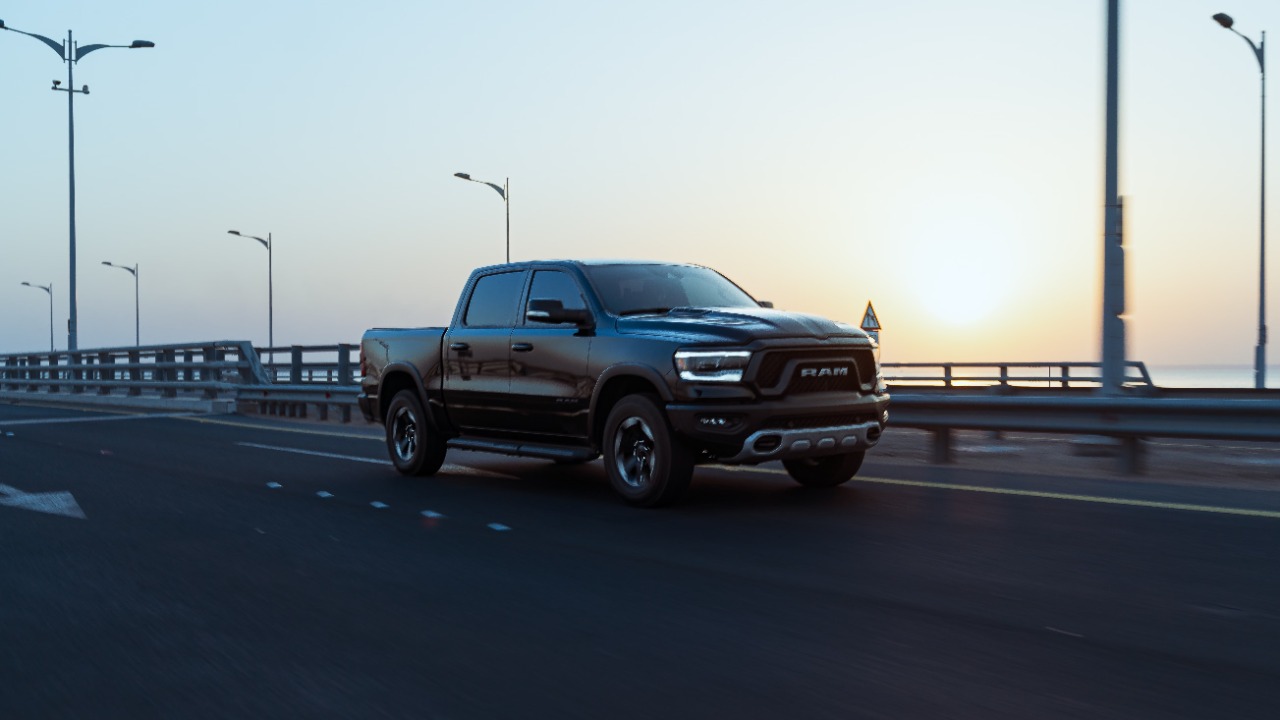

Pickup buyers are keeping their trucks longer, often well past the day the last payment clears. That shift has turned long-term durability into a financial strategy, and in a new longevity-focused ranking, the Toyota Tacoma V6 and Toyota Tundra V8 emerge as the models most likely to still be working hard after the loan is a memory. Their mix of conservative engineering, proven drivetrains, and high resale value is reshaping what shoppers expect from a full-size or midsize truck.
Rather than chasing the latest powertrain fad, these Toyotas have built reputations around lasting hundreds of thousands of miles with relatively modest upkeep. That track record now intersects with longer loan terms and higher prices, pushing reliability from a nice-to-have into a core requirement for buyers who cannot afford to replace a truck every few years.
How Toyota’s V6 Tacoma and V8 Tundra climbed to the top of longevity rankings
The Tacoma’s current reputation for staying on the road starts with its long-running V6 formula. While other midsize pickups have cycled through turbocharged four-cylinders and diesel experiments, the Tacoma V6 stuck with a naturally aspirated layout that favors durability over headline power. Owners routinely report odometer readings well into six figures with original engines and transmissions, supported by a robust aftermarket that treats 200,000 miles as the point where modifications begin, not where the truck retires.
Durability is also evident in Toyota’s incremental approach to updates. Even special variants, such as the Hawaiʻi Edition Tacoma, build on the same core V6 platform rather than introducing untested hardware. Limited-run trims add cosmetic and suspension tweaks, but the underlying drivetrain remains familiar to technicians and parts suppliers, which helps keep long-term ownership costs predictable for buyers who plan to keep the truck beyond a single finance cycle.
The Tundra’s V8 story follows a similar pattern. Instead of chasing the highest towing numbers on the spec sheet, Toyota prioritized a relatively understressed V8 that does not rely on aggressive boost or complex cylinder deactivation systems. Fleet operators and private owners alike have treated the Tundra as a long-haul workhorse, often logging heavy towing miles with fewer reports of major engine or transmission failures than some rivals that pushed harder for outright performance.
Both trucks also benefit from conservative chassis decisions. Body-on-frame construction, traditional leaf or coil rear suspensions, and hydraulic steering components on older generations may not win technology awards, but they are proven to tolerate abuse from job sites, unpaved roads, and salted winter highways. When components do wear out, the parts are widely available and well understood, which encourages owners to repair rather than replace the truck outright.
Resale data reinforces that mechanical reputation. Used Tacomas and Tundras consistently command higher prices than many direct competitors of similar age and mileage, a sign that second and third owners still trust these trucks to deliver years of service. That demand supports the idea that a buyer who finances a new Tacoma V6 or Tundra V8 can expect meaningful equity even after the final payment, instead of being trapped in a cycle of negative equity and early trade-ins.
Why long-lived trucks matter more as loans stretch and budgets tighten
Truck prices have climbed into territory that would have seemed outlandish a decade ago, and lenders have responded with longer loan terms that can stretch past six or even seven years. When a buyer signs up for that kind of commitment, the truck needs to be capable of outlasting not only the warranty but also the finance contract. A model with a history of major repairs at 120,000 miles is a very different proposition from one that routinely reaches 250,000 miles with only routine maintenance.
The Tacoma V6 and Tundra V8 fit the latter profile, which makes them attractive to buyers who treat a truck as both a tool and a financial asset. Contractors who rely on a pickup to haul equipment, families who tow campers on weekends, and rural drivers who rack up highway miles all face the same calculation. If the truck fails early, they are left paying off a loan on a vehicle that no longer supports their livelihood or lifestyle.
Insurance and depreciation trends add another layer. As repair and replacement costs rise, insurers have become more willing to declare heavily damaged vehicles a total loss rather than approving complex repairs. Trucks with high resale value and a reputation for surviving structural repairs are more likely to be fixed and returned to service. The Tacoma and Tundra often fall into that category, which helps owners avoid the disruption of a total-loss payout that may not fully cover the cost of a comparable replacement.
Fuel economy and emissions regulations also influence the durability conversation. Newer turbocharged or hybrid trucks can deliver impressive efficiency numbers, but they introduce additional systems that must function perfectly for the life of the vehicle. For buyers who prioritize simplicity and long-term ownership, the known behavior of a naturally aspirated V6 or V8 can outweigh the theoretical savings of a more complex powertrain, especially in regions where fuel prices are relatively stable and annual mileage is high.
There is a psychological element as well. Many truck owners associate Toyota’s pickups with stories of odometers rolling past 300,000 miles, frames patched after years of rust, and engines that still start on the first turn after weeks of sitting. Whether every anecdote reflects the average experience is less important than the cumulative effect on buyer confidence. When consumers believe a truck will last, they are more willing to accept higher upfront prices and longer loans, which in turn reinforces demand and supports strong resale values.
How Toyota and its rivals may adapt the next generation of long-haul pickups
The success of the Tacoma V6 and Tundra V8 in longevity rankings puts pressure on Toyota to carry that reputation into newer powertrains. As emissions standards tighten and fuel economy expectations rise, the company has already begun shifting toward turbocharged and hybrid setups in some markets. The challenge is to prove that these newer engines can match or exceed the life span of the outgoing V6 and V8 combinations that built the brand’s credibility among truck loyalists.
One likely path is a continued focus on conservative tuning. Even as displacement shrinks and boost increases, Toyota can prioritize reliability by limiting peak output, overbuilding critical components, and maintaining generous cooling capacity. The company’s history of hybrid systems in other segments, from the Prius to hybrid crossovers, may also inform how it designs truck-specific hybrids that can handle towing and off-road duty without sacrificing longevity.
Rivals are watching closely. Domestic brands that leaned heavily into high-output turbocharged V6 engines and complex cylinder deactivation systems now face owners who plan to keep trucks longer than those technologies were initially tested for. Some manufacturers have already begun extending powertrain warranties or offering certified pre-owned programs that emphasize long-term coverage, an acknowledgment that durability has become a primary selling point rather than a secondary concern.
For buyers, the next few model years will likely bring a split market. On one side will be traditionalists who seek out remaining inventory of proven V6 and V8 trucks, including late-model Tacomas and Tundras that still use older architectures. On the other will be early adopters willing to trust new hybrid and electric pickups that promise lower operating costs but have not yet built multi-decade track records.
Financing products may evolve alongside these choices. Lenders that recognize the lower default risk associated with long-lived trucks could offer more favorable terms or lower interest rates for models with strong reliability data. Fleet buyers, from construction firms to municipal agencies, are already factoring total cost of ownership into their bids, which rewards trucks that can stay in service longer with fewer major repairs.