
Solar and wind power together generated more electricity in the United States than coal for the first time last year, a symbolic turning point in the country’s energy transition. The shift reflects years of investment, changing economics, and policy pressure that have pushed renewables from the margins of the grid into a central role.
The crossover does not mean coal has disappeared, but it does mark the moment when newer technologies started carrying more of the load in a system long dominated by fossil fuels.
How solar and wind quietly climbed past coal on the U.S. grid
Federal data show that utility-scale wind and solar combined to supply more electricity than coal over the full year, not just in a single month or season. Analysts at Harvard Business School’s Institute for the Study of Business in Global Society describe how wind and solar moved from niche sources to major contributors as capacity grew across the Midwest, Texas, and the Southwest.
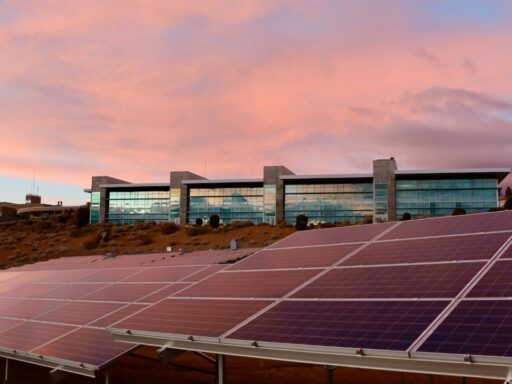
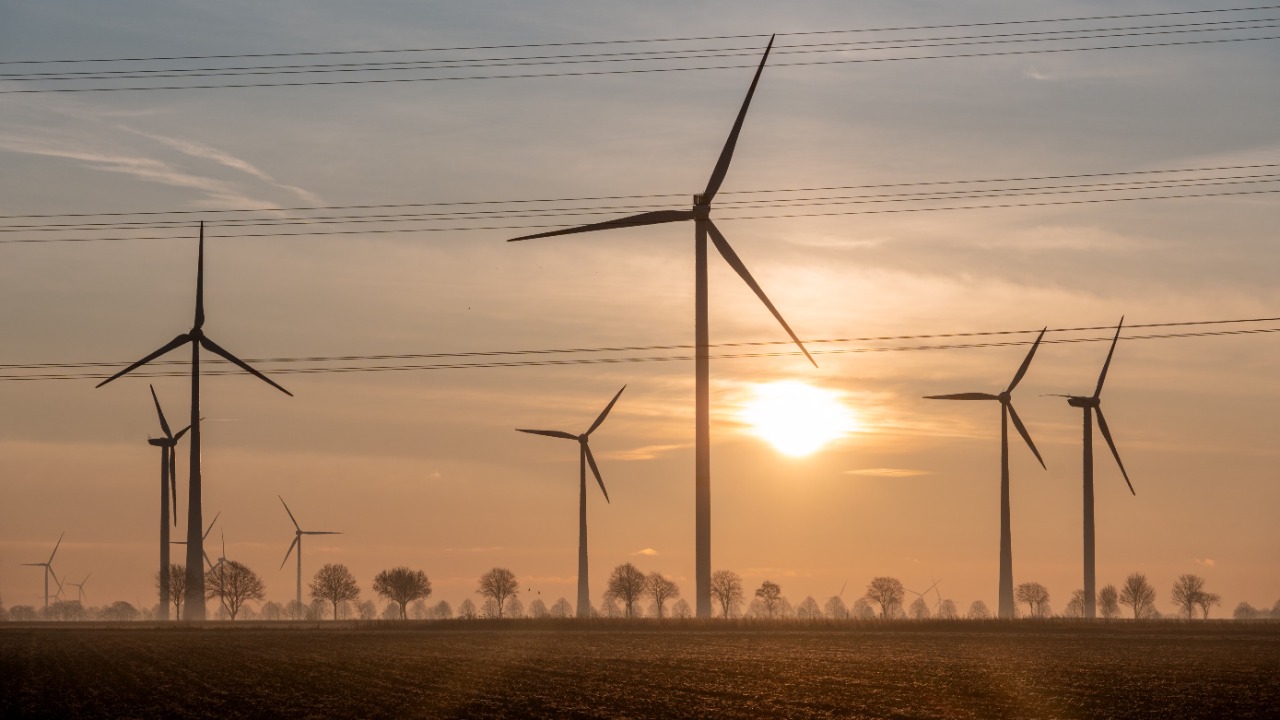
Coal’s decline has been steady rather than sudden. A wave of plant retirements, tighter pollution rules, and competition from cheaper natural gas have cut coal’s share of U.S. electricity over the past decade. In parallel, utility-scale solar farms in states such as California and Texas, along with large wind projects stretching from Oklahoma to Iowa, have steadily added output that now surpasses what remains of the coal fleet.
The shift has also been supported by grid-scale batteries and smarter operations. Reporting on recent grid performance describes how new storage projects helped solar and wind set multiple generation records by capturing surplus midday power and releasing it after sunset. That smoothing effect has made it easier for system operators to rely on variable renewables while keeping reliability metrics intact.
Seasonal patterns still matter. Coal plants once ramped up in winter cold snaps and summer heat waves, but gas and renewables now carry more of that peak demand. In windy regions, turbines often perform best in the colder months, while solar peaks in late spring and early summer, together reducing the need for coal to fill those gaps.
Economic and policy forces behind the tipping point
The crossover is rooted in economics as much as climate policy. Utility executives and independent power producers have repeatedly found that new wind and solar projects, paired with tax incentives, can undercut the operating costs of aging coal units. Analysts tracking these trends point to long-term contracts where fixed-price renewable power beats the fuel and maintenance costs of coal plants that are already built.
Federal support has accelerated the trend. Production and investment tax credits, along with newer incentives for domestic manufacturing, have lowered the effective cost of building large solar arrays and wind farms. States with renewable portfolio standards have layered on additional demand, requiring utilities to source a rising share of their electricity from clean energy.
Meanwhile, coal has faced rising costs from environmental compliance and competition from natural gas. As gas plants became the default flexible resource, coal units that once ran around the clock were pushed into part-time roles. Running less often increased their per-unit costs, which in turn made them even less competitive against renewables.
The broader global context also matters. While the United States has achieved this milestone, other countries are racing to add low-carbon capacity at an even faster pace. One analysis of global buildouts notes that China added power capacity at a scale seven times larger in a single year, including a vast amount of solar and wind. That comparison highlights both the progress in the U.S. and the scale of investment elsewhere.
Why this turning point matters for climate and consumers
For climate goals, the fact that solar and wind now deliver more electricity than coal in the United States is a major step toward cutting power-sector emissions. Coal is the most carbon-intensive mainstream fuel on the grid, so every percentage point it loses to renewables yields disproportionate climate benefits. Reporting on the milestone emphasizes that renewables overtaking coal is one of the clearest signs yet that decarbonization is reshaping the power mix.
Air quality and public health gains are just as significant. Coal plants emit sulfur dioxide, nitrogen oxides, particulate matter, and mercury, which have long been linked to respiratory and cardiovascular disease in nearby communities. As coal generation shrinks, those pollutants fall, particularly in regions that have retired older, less controlled units.
Consumers are also seeing the impact in electricity prices and resilience. Once built, wind and solar facilities have no fuel costs, which shields them from the kind of price spikes that hit gas and coal when commodity markets tighten. Analysts interviewed in coverage of the milestone note that a more diverse mix anchored by renewables can buffer households and businesses from fuel price shocks, even if transmission and storage investments still show up on bills.
The change is also reshaping regional economies. Coal-producing areas face job losses as mines and plants shut down, while construction and manufacturing work tied to renewables is growing in states such as Texas, Iowa, and Arizona. Federal and state programs that focus on retraining, reclamation, and new infrastructure are now central to managing that transition.
Public opinion has moved in parallel. Surveys discussed in recent reporting show broad support for expanding renewable energy, even in states where fossil fuels remain a large employer. Many respondents frame solar and wind as engines of local investment and as tools for energy independence as much as climate solutions.
What this shift reveals about the U.S. energy system
The fact that solar and wind can outproduce coal over an entire year challenges long-standing assumptions about grid reliability. For decades, planners treated coal plants as indispensable baseload resources. New data suggest that a system anchored in variable renewables, flexible gas plants, storage, and demand response can handle normal fluctuations and many stress events without leaning heavily on coal.
An analysis of federal statistics cited in national coverage explains that renewable sources now collectively rival or exceed coal across multiple months, not just during unusually sunny or windy periods. That consistency matters for regulators and utilities that must plan years ahead when deciding what to build or retire.
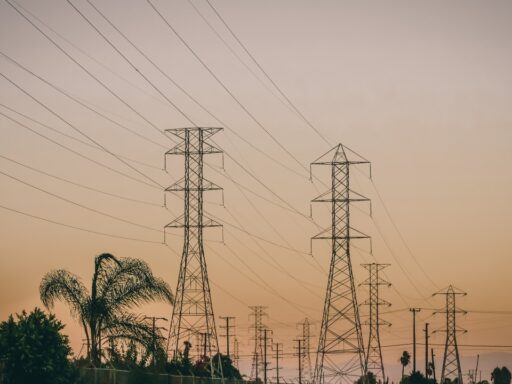
Yet the milestone also exposes remaining vulnerabilities. Transmission lines that could move surplus wind from the Great Plains or solar from the Southwest to population centers are often congested or missing entirely. Projects can wait years in interconnection queues before they are allowed to connect to the grid. Without faster permitting and coordinated planning, the pace of renewable growth could slow even as costs remain attractive.
There is also the question of how quickly other fossil fuels might follow coal’s trajectory. Natural gas still supplies a large share of U.S. electricity and provides flexibility that wind and solar cannot yet fully replace. Some analysts expect gas to plateau and then decline as storage, demand-side management, and advanced grid controls scale up, but that path is not guaranteed.
Where U.S. power goes after coal’s eclipse by wind and solar
Looking ahead, most forecasts expect wind and solar to continue gaining share of U.S. electricity, with coal generation shrinking further as more plants retire. Federal projections and independent analyses describe a pipeline of new projects that, if completed, would push renewables deeper into the mix and could eventually challenge natural gas on annual output.
Several trends will shape that trajectory. First, the buildout of high-voltage transmission will determine how efficiently new projects can connect and how widely their power can be shared. Second, the pace of battery deployment will influence how much solar and wind can be used during evening peaks and overnight. Third, policy decisions on carbon rules, tax credits, and regional market design will either accelerate or slow the shift.
Global competition adds another layer. As countries such as China continue to add renewable capacity at extraordinary rates, equipment supply chains, commodity prices, and technology learning curves will evolve quickly. That dynamic could lower costs for U.S. developers, but it also raises questions about domestic manufacturing, trade rules, and energy security.