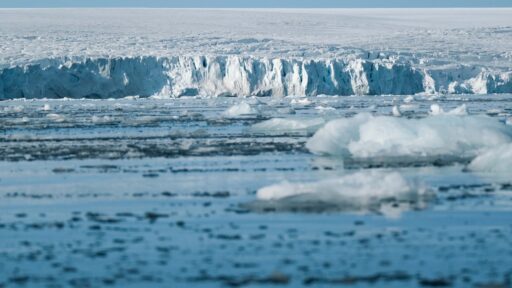
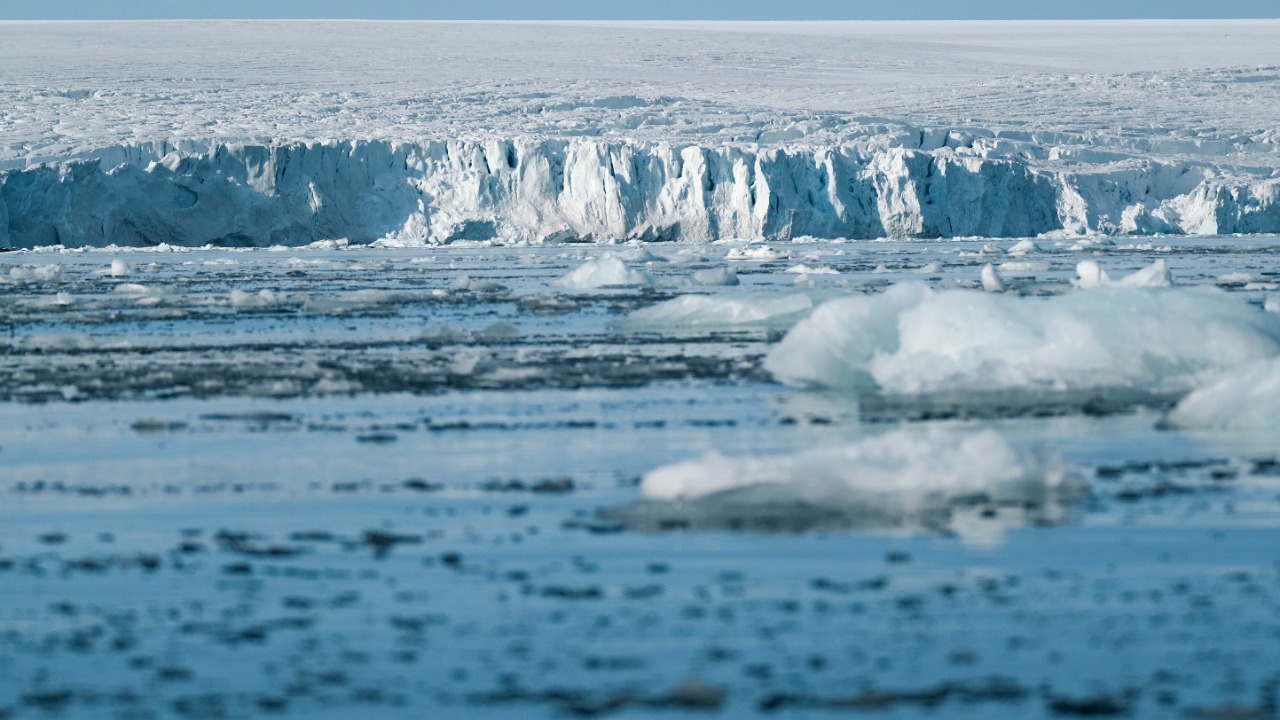

Winter sea ice fringing West Antarctica is running at roughly half its typical extent, a sharp break from the satellite-era norm that has alarmed polar scientists. The shortfall in ice cover is exposing darker ocean to the cold-season sun, altering regional weather patterns and raising fresh questions about how quickly human-driven warming is reshaping the Antarctic system.
Researchers describe the current winter as another step change after several years of record-low Antarctic sea ice, with West Antarctica emerging as a particular weak spot. The scale and persistence of the deficit suggest that the region may be shifting away from the relatively stable conditions that prevailed for decades.
What has changed in West Antarctica’s winter sea ice
For most of the satellite record that began in the late 1970s, Antarctic sea ice showed year-to-year ups and downs but no clear long-term decline. That pattern broke in recent years, when winter sea ice fell far below the historical average around much of the continent, with West Antarctica standing out as a center of loss. In the current season, scientists tracking the ice edge report that the area of winter sea ice in the Amundsen and Bellingshausen seas is roughly 50 percent below the long-term norm.
The missing ice is not evenly distributed. Maps of sea ice concentration show deep notches in the usual frozen fringe along the Pacific-facing side of Antarctica, where open water now occupies zones that were reliably ice covered in past winters. That gap changes how the ocean and atmosphere interact. Where thick ice once insulated the sea, open water can now vent heat and moisture into the overlying air, feeding storms and reshaping wind patterns.
Researchers link this regional collapse to a combination of warmer ocean waters and shifts in the prevailing winds that typically spread ice outward from the continent. In several recent winters, strong circumpolar westerlies and episodes of warm air advection have pushed the ice edge southward. At the same time, the upper layers of the Southern Ocean around West Antarctica have warmed, which hinders the formation of new ice and accelerates melt at the underside of existing floes.
Satellite altimetry and ocean profiling have already shown that warm water is eroding the floating ice shelves that buttress West Antarctica’s land-based glaciers. The current winter sea ice deficit adds a new dimension to that story. With less seasonal ice to dampen waves and buffer the coast, storms can more easily flex and fracture the outer margins of ice shelves, making them more vulnerable to long-term thinning.
Scientists who study Antarctic climate stress that the recent sequence of low-ice winters is unlike anything previously seen in the satellite record. Natural climate variability, including El Niño and shifts in the Southern Annular Mode, still plays a role, but the persistence and scale of the losses around West Antarctica point to a growing influence from human-driven warming of the atmosphere and ocean.
Why a 50 percent winter ice shortfall matters now
The dramatic reduction in winter sea ice around West Antarctica matters far beyond the frozen fringe. Seasonal ice acts like a lid on the Southern Ocean. When that lid shrinks, more heat escapes from the sea surface into the atmosphere, which can alter storm tracks that influence weather across the Southern Hemisphere. The exposed dark water also absorbs more solar energy than bright ice, amplifying regional warming and feeding back into further ice loss.
One immediate concern is how the winter shortfall affects the stability of West Antarctica’s ice shelves and the glaciers they hold back. With less sea ice to shield the coast, larger ocean swells can reach the ice front, flexing and weakening the shelves. At the same time, warmer surface waters can mix more readily toward the coast. Studies of the Amundsen Sea region have already shown that intrusions of relatively warm Circumpolar Deep Water accelerate the retreat of glaciers such as Thwaites and Pine Island. The current winter pattern increases the opportunity for that warm water to interact with the ice margin.
The loss of winter sea ice also disrupts ecosystems that depend on the seasonal freeze. Species such as Antarctic krill use the underside of sea ice as a nursery habitat, grazing on algae that grow within the ice matrix. Penguins and seals rely on stable floes for resting, breeding, and access to feeding grounds. When winter ice cover collapses over large areas, these species must adapt by shifting their ranges or face population stress.
From a climate perspective, the change in West Antarctica’s winter ice is a warning sign that human influence is reaching deeper into the Antarctic system. Scientific assessments have linked the acceleration of Antarctic ice retreat to rising greenhouse gas concentrations and related ocean warming. Recent analyses of satellite and ocean data conclude that human impact accelerates by amplifying natural variability and pushing the system toward thinner, more fragile ice cover.
The timing of the current winter deficit matters because it follows several consecutive years of low Antarctic sea ice, suggesting that the region may be crossing a threshold. Once sea ice thins and retreats, it becomes more sensitive to wind and ocean changes. That can lock in a feedback loop in which each low-ice year makes it easier for the next to occur. For policymakers and coastal planners who rely on projections of future sea level rise, this raises the risk that current models may be underestimating how quickly West Antarctica’s glaciers could respond.
The broader climate diplomacy context adds another layer of urgency. Many national climate plans assume that Antarctica will remain a relatively slow-moving contributor to sea level for several decades, buying time for emissions cuts and adaptation. The emerging picture of rapid winter sea ice loss around West Antarctica challenges that assumption. If the region is already shifting toward a new, lower-ice state, then the window for limiting long-term sea level rise from Antarctic melt could be narrower than expected.
What may come next for West Antarctica’s fragile winter ice
Looking ahead, researchers are focused on whether the current winter pattern becomes the new normal or remains an extreme outlier. Climate models have long projected a long-term decline in Antarctic sea ice under continued greenhouse gas emissions, but the timing and regional details have been uncertain. The ongoing losses in West Antarctica offer an early test of how well those models capture the interplay between ocean warming, atmospheric circulation, and sea ice.
Several lines of inquiry will shape what comes next. First, scientists are intensifying efforts to monitor ocean temperatures and currents in the Amundsen and Bellingshausen seas using autonomous floats, under-ice gliders, and instrumented seals. These observations will help determine how much additional heat is reaching the continental shelf and whether that inflow is increasing over time. Second, high-resolution sea ice models are being refined to simulate how thinner, more fractured ice responds to storms and changing winds.
On the policy and planning side, the emerging data from West Antarctica will feed into the next generation of sea level projections. If winter sea ice continues to falter, ice shelves may thin faster than previously assumed, allowing inland glaciers to accelerate. That in turn would raise the contribution of West Antarctica to global sea level, with implications for coastal cities from New York to Shanghai. Some coastal adaptation plans already use high-end scenarios that anticipate rapid Antarctic melt; the recent winter sea ice behavior suggests that such scenarios deserve close attention.
There are also implications for marine conservation. The collapse of winter sea ice in key regions could prompt calls to expand or adjust marine protected areas in the Southern Ocean to safeguard krill, penguin, and seal habitats that are shifting in response to changing ice conditions. Fisheries management bodies that regulate krill harvests may need to incorporate new data on habitat loss and ecosystem stress into catch limits and spatial protections.