
People who think they are cooperating with federal investigators are instead walking into gas stations and pharmacies, feeding thousands of dollars in cash into Bitcoin ATMs that instantly move the money out of reach. Callers posing as officials from the Federal Trade Commission warn of frozen Social Security numbers or looming criminal charges, then direct targets to “secure” their savings in cryptocurrency. By the time victims realize the officials were fake, the funds have already vanished into digital wallets controlled by scammers.
Regulators now view this blend of government impersonation and crypto payments as one of the most aggressive fraud trends aimed at older Americans and other financially vulnerable groups. Scripts are evolving, dollar losses are mounting, and the infrastructure that enables instant crypto transfers is being repurposed into a high-speed pipeline for theft.
How fake FTC agents turned Bitcoin ATMs into a cash vacuum
Regulators describe a consistent pattern. A target receives a phone call that appears to come from a government office, often spoofed to show a Washington area code. The caller claims to be an investigator with the Federal Trade Commission or another agency and says the victim’s bank accounts are under attack, their identity has been stolen, or an arrest warrant is about to be issued. The only way to avoid disaster, the caller insists, is to move money immediately into an account “controlled by the government” for safekeeping.
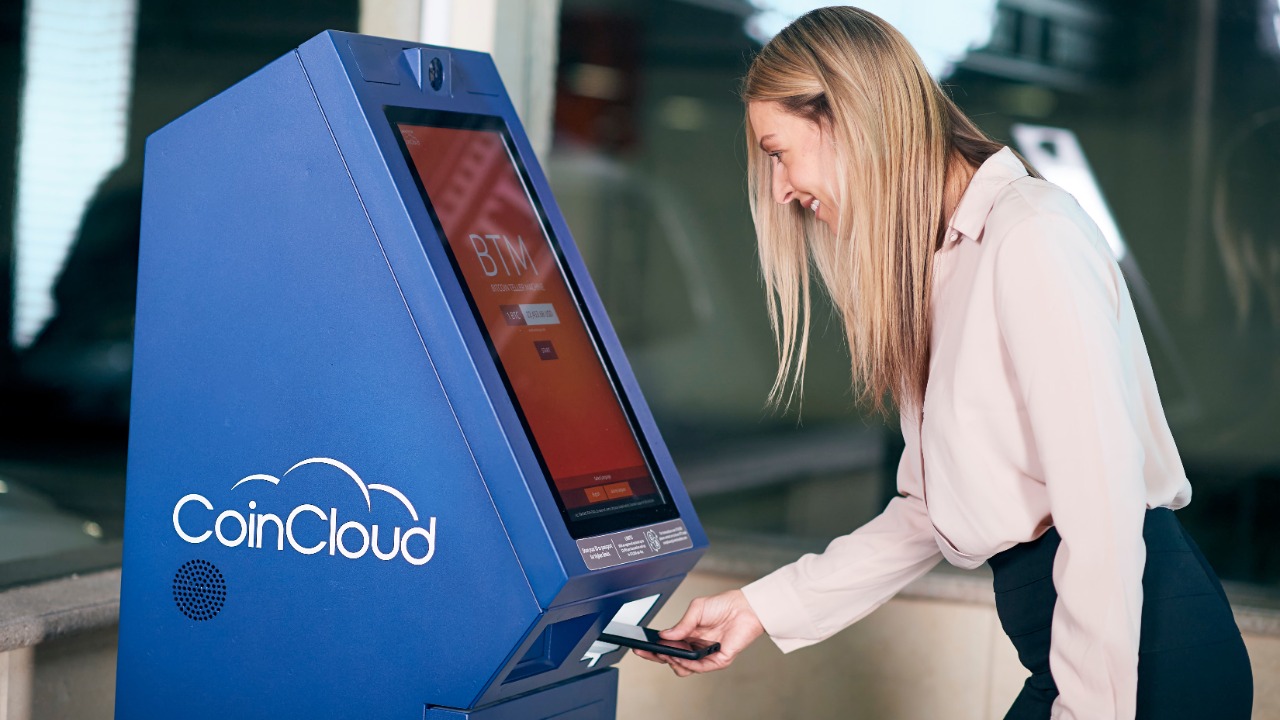
According to an FTC data spotlight on scams affecting older adults, impostors lean on high-pressure tactics and personal details pulled from public records to make the story sound legitimate. The report describes how callers instruct people to withdraw large amounts of cash from their bank, sometimes over multiple days, then carry it to a nearby crypto kiosk. At the machine, victims are told to scan a QR code that loads a destination wallet, then feed in the cash, often in stacks of $100 bills. Once the transaction is confirmed on the blockchain, the money is effectively gone.
The FTC’s analysis of these cases shows that older adults are especially exposed when scammers frame the fraud as an emergency related to law enforcement or Social Security. In one example highlighted in the FTC data spotlight, a retiree was told that drug traffickers had opened accounts in her name and that she needed to move her life savings into Bitcoin to avoid losing everything. The caller stayed on the line as she traveled to several different ATMs, directing each step of the withdrawals and deposits.
What has changed in the latest wave of schemes is not only the use of crypto, but the way scammers choreograph the entire process. They coach victims on what to say to bank tellers, sometimes claiming the withdrawals are for home repairs or a cash purchase, and warn them not to mention the “investigation” to anyone. The goal is to keep financial institutions and family members from interrupting the transfer before it hits the blockchain.
Why the Bitcoin ATM twist raises the stakes for victims
Government impersonation scams are not new, but the integration of Bitcoin ATMs has dramatically increased both speed and irreversibility. Traditional wire transfers and card payments often leave a window for banks or regulators to flag suspicious activity. Cash-to-crypto kiosks, by design, settle almost instantly into a digital wallet that can be emptied or mixed across multiple addresses within minutes.
Analysis of recent fraud reports indicates that fake government agents have helped drive at least hundreds of millions of dollars into these crypto “traps.” One review of global complaint data found that people who believed they were dealing with officials lost approximately 917 million dollars to schemes that steered them into cryptocurrency, a figure that includes transfers through exchanges and Bitcoin ATMs. The number reflects both individual losses that wiped out retirement accounts and smaller payments that still left families struggling to recover.
Older adults are not the only targets, but they often bear the worst damage. The FTC data spotlight notes that people in later life stages tend to have larger nest eggs, more predictable savings patterns, and deep concern about losing benefits or facing legal trouble. Scammers exploit that anxiety, layering in threats that Social Security payments will stop, that Medicare coverage could be revoked, or that local police will soon arrive if the victim does not comply.
The Bitcoin ATM component also shifts the geography of fraud. Rather than relying solely on online exchanges, scammers can tap into a dense network of kiosks in convenience stores, liquor shops, and small markets. These machines are marketed as easy on-ramps for people who want to buy crypto with cash, but they also provide a near-anonymous way to move physical currency into digital form. For someone under pressure from a caller claiming to be a federal agent, the presence of a kiosk a few blocks away can turn a threatening phone script into a completed theft in a single afternoon.
Regulators have grown concerned that some operators do not do enough to screen for suspicious patterns, such as repeated large deposits from older customers or transactions that appear to be directed by someone on a phone. While compliance requirements exist, enforcement is uneven, and scammers have learned to keep individual deposits just under thresholds that trigger automatic review. The result is a series of rapid-fire transfers that look unremarkable in isolation but add up to a victim’s entire life savings.
What regulators, platforms, and consumers are likely to do next
The emerging pattern of fraud is already shaping how regulators talk about crypto and consumer protection. The FTC’s focus on older adults suggests that future enforcement actions and rulemaking will pay closer attention to how digital assets intersect with retirement security. That could mean more pressure on Bitcoin ATM operators to adopt stronger identity checks, clearer warnings on kiosks, and proactive monitoring for high-risk use cases tied to government impersonation.
Consumer advocates are also urging banks and credit unions to treat large cash withdrawals as potential red flags for crypto fraud, not only for romance or investment scams but specifically for fake law enforcement cases. Some institutions have started training frontline staff to ask follow-up questions when an older customer suddenly requests tens of thousands of dollars in cash. If the explanation sounds scripted or involves vague “government investigations,” staff can slow the process and encourage the customer to contact official numbers independently.
On the technology side, there is growing debate over how much responsibility crypto infrastructure providers should bear for policing these schemes. Bitcoin ATM companies could be pushed to log more detailed transaction data, limit high-value deposits from first-time users, and display on-screen alerts that explicitly warn about callers posing as the FTC or other agencies. Wallet providers and exchanges that receive funds from ATMs might also face expectations to flag patterns that match known scam flows, especially when incoming transfers are quickly forwarded to mixing services or high-risk destinations.
For consumers, the guidance from regulators is blunt. No legitimate government agency will ever demand that someone withdraw cash and convert it to Bitcoin to resolve a legal problem, protect benefits, or secure an “evidence account.” Anyone who receives such instructions is being targeted by a scammer, regardless of how convincing the caller ID, badge number, or case file may sound. The safest move is to hang up, look up the official number of the agency on a trusted website, and initiate a fresh call to verify the story.
Education campaigns are likely to expand, with a particular focus on families talking openly about these tactics with older relatives. The most effective interventions often come from relatives or caregivers who recognize the warning signs early, such as sudden secrecy about finances, unexplained trips to ATMs, or new fears about arrest or loss of benefits. Community groups, senior centers, and healthcare providers can reinforce the message that government agencies do not use Bitcoin to collect fines or protect funds.