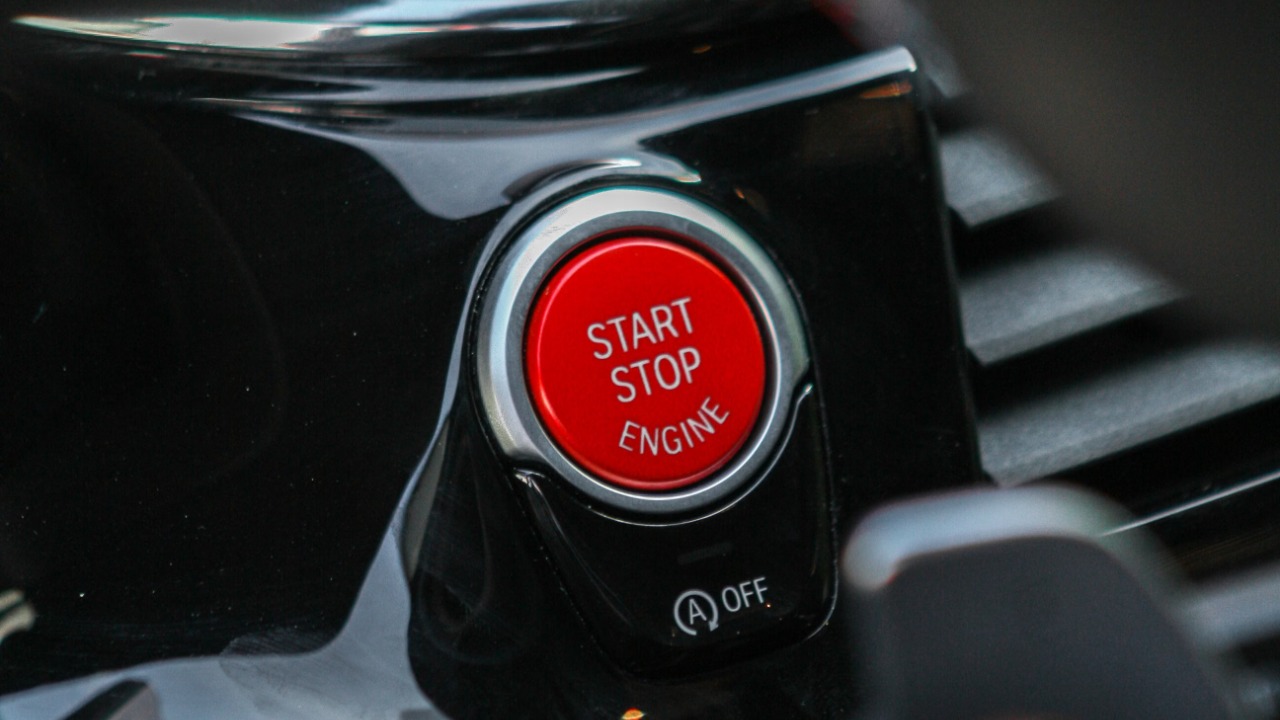

Push-button start has moved from a luxury-car feature to a mainstream expectation, and in many new 2026 vehicles, the old-fashioned keyed ignition is disappearing. Drivers no longer need to insert and twist a metal key to start the engine. Instead, they carry a key fob, press the brake pedal, tap a start button, and the vehicle comes to life.
The shift reflects how much modern cars have changed. Automakers are packing new vehicles with keyless entry, remote start, connected apps, digital keys, theft-prevention systems, driver profiles, and electronic control modules. In that environment, a traditional ignition cylinder can feel outdated, even though many drivers still like the simplicity of a real key.
The trend does not mean every 2026 vehicle has abandoned keyed ignition. Some base trims, fleet vehicles, work trucks, and lower-cost models may still use physical keys. But across mainstream passenger cars, SUVs, hybrids, and EVs, push-button start has become far more common than it was a decade ago.
Why Automakers Are Moving Away From Keyed Ignitions
The biggest reason is convenience. Push-button start works with a smart key fob that only needs to be inside or near the vehicle. The driver can leave the fob in a pocket or bag, unlock the doors, start the car, and drive away without handling a key.
For automakers, the feature also fits neatly into modern vehicle architecture. New cars are already controlled by electronic systems, sensors, and software. A push-button ignition works better with digital dashboards, remote start, app-based controls, anti-theft systems, and smart access features.
The National Highway Traffic Safety Administration explains that keyless ignition systems usually use a fob carried by the driver and allow the vehicle to start when the fob is detected. That basic concept has now become familiar to millions of drivers.
Why Drivers Like Push-Button Start
For many drivers, push-button start simply feels easier. There is no need to search for a key, especially when carrying groceries, bags, tools, or children’s items. The car unlocks when the fob is nearby, and the engine starts with one press.
The feature can also feel more premium. Even affordable models now use technology that once belonged mostly to luxury vehicles. A clean start button, digital cluster, and keyless entry system make the cabin feel more modern.
Push-button start is also useful in cold or hot weather when paired with remote start. Drivers can warm up or cool down the cabin before getting inside, depending on the vehicle and local laws. For EVs, the idea of “starting” the vehicle is already different because there is no engine to crank. A button or digital start process fits naturally with electric driving.
Why Physical Keys Are Still Missed
Even as push-button start becomes more common, some drivers miss keyed ignitions. A physical key is simple, visible, and easy to understand. When the key is removed, the driver knows the vehicle is off. When the key is in hand, the driver knows they have control.
Push-button systems can feel less clear, especially for older drivers or people switching from older vehicles. A car may be quiet at idle, especially if it is a hybrid or plug-in hybrid. Some drivers may walk away without realizing the vehicle is still on.
This is why the disappearance of keyed ignition is not only a technology story. It is also a human-behavior story. Automakers are replacing a familiar mechanical action with a digital process, and that change requires clear alerts, safe design, and driver education.
The Safety Concern: Cars Left Running
One of the biggest concerns with keyless ignition is that drivers may leave the vehicle running unintentionally. This can be dangerous if the vehicle is parked in a garage or enclosed space, especially with gasoline or hybrid vehicles that can produce carbon monoxide.
NHTSA has warned that keyless ignition systems can create risks when drivers do not understand whether the vehicle is on or off. Carbon monoxide is especially dangerous because it is colorless and odorless. A vehicle left running in a closed garage can create a deadly situation.
The Centers for Disease Control and Prevention warns that carbon monoxide poisoning can be fatal and that people should never run a vehicle inside a garage attached to a house, even with the garage door open. With push-button start, clear shutoff behavior and strong driver alerts are essential.
The Rollaway Risk
Another concern is rollaway risk. In a keyed vehicle, removing the key often reinforces the idea that the car has been turned off and secured. With keyless systems, some drivers may exit without shifting fully into park or without realizing the ignition state.
Modern vehicles include safeguards, but the risk still depends on design and driver behavior. Automakers use warning chimes, dashboard alerts, automatic park functions, electronic parking brakes, and shutoff reminders to reduce danger. Still, confusion can happen when drivers are unfamiliar with the system.
This is why NHTSA has spent years looking at keyless ignition safety. The issue is not that push-button start is inherently unsafe. The issue is that the interface must be clear enough that drivers do not accidentally leave a vehicle running, unsecured, or in a condition that can move.
Push-Button Start and Vehicle Theft
Push-button start also changes the theft conversation. Many modern systems include engine immobilizers and encrypted fobs, which can make theft harder than with older keyed ignitions. However, keyless systems can also create new attack methods, including relay attacks where thieves try to extend the signal from a fob inside a home to unlock and start a nearby vehicle.
Security researchers have studied weaknesses in remote keyless entry and passive keyless entry systems for years. A 2025 research paper on remote keyless entry security described how keyless systems have become a continuing target for theft methods, including relay and replay-style attacks.
This does not mean every push-button vehicle is easy to steal. Security varies by brand, model, fob design, immobilizer technology, and software. But it does mean drivers should treat key fobs as security devices, not just convenience accessories.
Why Immobilizers Matter
The decline of traditional keyed ignition also connects to a broader security issue: engine immobilizers. An immobilizer helps prevent a vehicle from starting unless the correct electronic key or fob is present. This technology became especially important after theft waves involving older vehicles that lacked standard immobilizers.
Reuters reported that Hyundai and Kia agreed to retrofit millions of vehicles with anti-theft measures after a surge in thefts involving models without engine immobilizers. The case showed how important electronic theft prevention has become in modern vehicles.
Push-button start usually works as part of a broader smart-key and immobilizer system. The vehicle is not supposed to start just because someone presses a button. It should start only when the correct authorized fob or digital key is detected.
Digital Keys Are the Next Step
Push-button start is not the final stage of ignition technology. Many automakers are now moving toward digital keys, where a smartphone or smartwatch can unlock and start the car. Some systems allow owners to share temporary digital access with family members, valet drivers, delivery workers, or friends.
This makes the physical key even less central. In some vehicles, the key fob may eventually become a backup rather than the main access method. Drivers may unlock the car, start it, and manage permissions through an app.
That can be convenient, but it also raises new questions. What happens if the phone battery dies? What if the app fails? What if the owner sells the car and forgets to remove digital access? What if someone gains access to a phone account? As cars become more connected, cybersecurity becomes part of vehicle ownership.
Why EVs Make Push-Button Start Feel Natural
Electric vehicles make the move away from keyed ignition feel even more logical. An EV does not need a starter motor to crank an engine. There is no ignition in the traditional sense. The vehicle simply powers up its drive system, climate controls, displays, and software.
In many EVs, the start process is already minimal. Some vehicles turn on when the driver sits down with the key or presses the brake. Others use a start button mainly as a familiar control. As EV adoption grows, keyed ignition becomes even less relevant.
This is one reason push-button start is spreading quickly in new 2026 models. Automakers are designing cabins around screens, electronic gear selectors, driver profiles, advanced safety systems, and connected software. A physical ignition cylinder does not fit that design language as naturally.
The User-Experience Problem
The best push-button systems are simple and obvious. The driver knows when the vehicle is on, when it is off, whether the fob is inside, whether the car is in park, and whether it is safe to walk away. The worst systems create confusion with unclear alerts, quiet operation, or too many status messages.
User experience matters because vehicles are safety-critical machines. A confusing start-stop process can create real risk. Drivers should not need to guess whether the vehicle is running. They should not need to interpret vague icons or soft chimes in a noisy environment.
Automakers have learned from earlier keyless ignition complaints. Many newer vehicles now include louder warnings, automatic shutoff features, fob-away alerts, and dashboard messages. But consistency across brands is still important because drivers often switch between vehicles.
Why Some Drivers Prefer Old-School Keys
Traditional keys have advantages. They are cheap to replace compared with some smart fobs. They do not need batteries to turn an ignition cylinder. They provide a clear physical action. They are familiar to older drivers and people who prefer mechanical controls.
A keyed ignition can also feel more secure to some drivers because it creates a visible connection between key and vehicle. Push-button systems rely on invisible signals, software, sensors, and electronic authentication. That can make them feel less trustworthy, even when the system is technically secure.
This is part of a larger trend in cars. Drivers are also debating touchscreens, electronic shifters, hidden door handles, subscription features, and app-based controls. Convenience is valuable, but only when it remains easy to understand.
What Buyers Should Check Before Choosing a 2026 Car
Anyone shopping for a 2026 vehicle should test the keyless ignition system during the test drive. They should learn how the car starts, how it shuts off, what happens if the fob leaves the vehicle, how the remote start works, whether the vehicle has automatic shutoff, and how strong the warnings are if the car is left running.
Buyers should also ask about replacement fob costs. Smart fobs can be expensive, and losing one may cost far more than cutting a traditional key. Some vehicles also require dealer programming.
It is also worth checking whether the vehicle supports a digital key, backup key blade, emergency start method, and fob battery replacement. A good system should have a clear backup plan for dead fob batteries or phone failures.
How Owners Can Use Push-Button Start Safely
Drivers should build a simple routine. Shift to park, press the start-stop button, confirm the dashboard is off, take the fob, and lock the vehicle. That habit helps prevent confusion.
Owners should not leave the fob inside the vehicle, even briefly. They should replace fob batteries when warnings appear, store spare fobs securely, and avoid leaving keys near the front door if the vehicle is parked nearby. For extra protection against relay theft, some drivers use signal-blocking pouches or store fobs away from exterior walls.
People with gasoline or hybrid vehicles should be especially careful in garages. If there is any doubt about whether the car is off, they should check before entering the home. Carbon monoxide alarms should also be installed and maintained in homes with attached garages.
The Bigger Meaning of the Shift
The move from keyed ignition to push-button start is part of the larger transformation of cars from mechanical machines into software-driven devices. The ignition key used to be one of the most symbolic parts of driving. Turning the key meant beginning the trip. Removing it meant the trip was over.
Now that moment is becoming digital. A button, fob, phone, app, sensor, or driver profile can control access and start-up. For many drivers, that is convenient and modern. For others, it removes a familiar piece of the driving experience.
The key is balance. Push-button start should make cars easier to use, not more confusing. It should improve security, not introduce new risks. It should feel modern without making basic actions unclear.
Final Takeaway
Push-button start is replacing keyed ignition in many new 2026 cars, continuing a major shift in how drivers access and start their vehicles. What began as a luxury feature is now common across mainstream cars, SUVs, hybrids, and EVs.
The benefits are clear. Keyless ignition is convenient, modern, compatible with remote start and digital keys, and often tied to advanced anti-theft systems. But it also brings safety and security concerns, including cars left running, rollaway risks, expensive fob replacement, and keyless theft methods.
For buyers, the smartest approach is to understand the system before driving away. Check how the vehicle starts, shuts down, warns the driver, handles a missing fob, and protects against theft. The metal key may be fading, but safe habits still matter every time the trip ends.