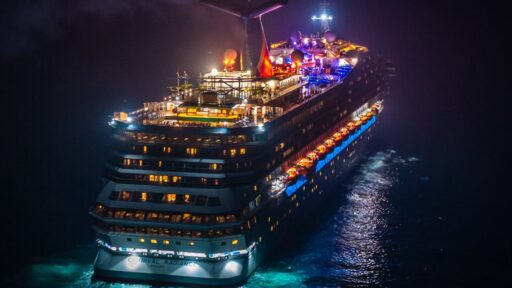
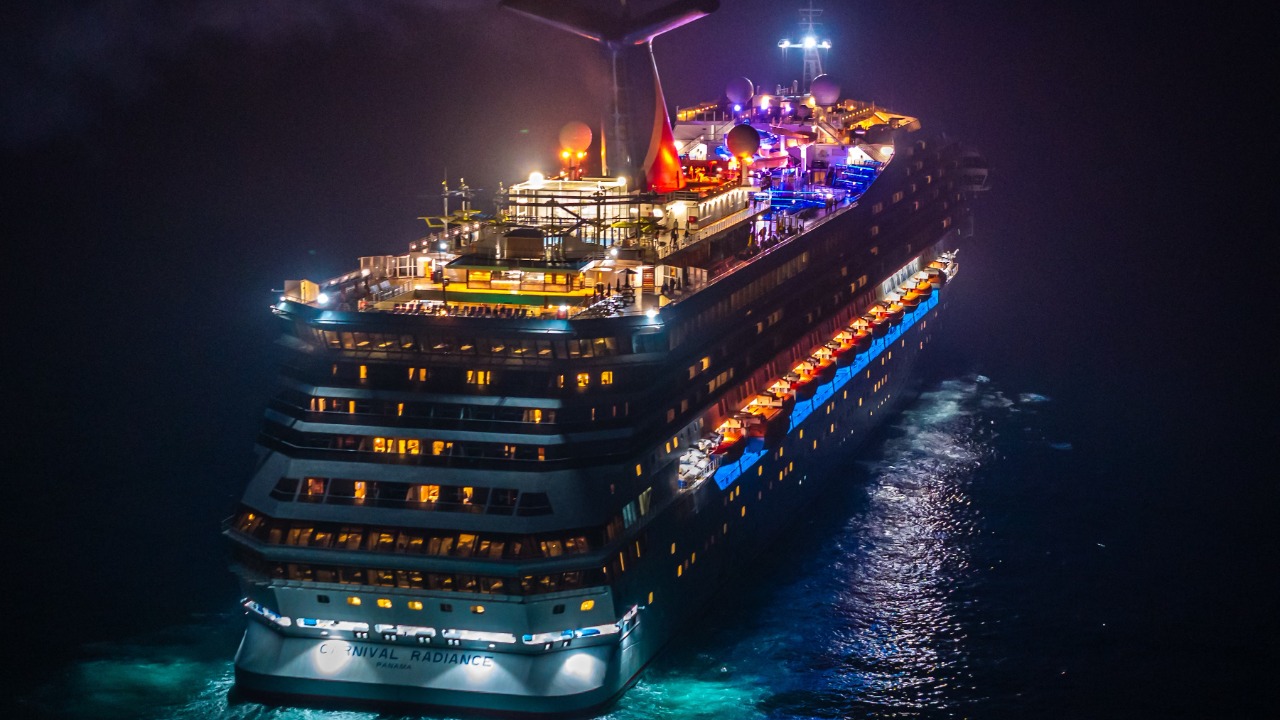

A Carnival cruise ship sailing from Florida turned into a rescue vessel after its crew spotted a disabled boat flying a distress flag off the state’s Atlantic coast. The ship, Carnival Mardi Gras, rescued nine people from the small vessel near Sebastian Inlet, about 40 miles south of Port Canaveral.
The rescue happened on Saturday, May 16, 2026, as the Carnival ship was beginning a seven-day Eastern Caribbean cruise. According to FOX 35 Orlando, the crew noticed the distressed boat displaying a distress flag and moved to help. The nine people were brought safely aboard the cruise ship.
The incident is a reminder that cruise ships are not only vacation platforms. At sea, they are also part of a larger maritime safety network. When a vessel is in distress, nearby ships have a duty to assist when they can do so safely.
What Happened Near Sebastian Inlet
The small boat was disabled off the coast of Sebastian Inlet, a well-known area on Florida’s east coast. Reports said the vessel was showing a distress flag, signaling that the people aboard needed help.
Carnival Mardi Gras responded, and the ship’s crew launched a rescue operation. Passenger accounts described the stranded boaters shouting that they had no fuel, food, or water. People reported that the cruise ship’s captain maneuvered carefully, and a rescue craft was deployed to bring the nine adults from the disabled boat to the cruise ship.
No serious injuries were reported in the immediate accounts. The rescued group remained aboard the Carnival ship until it reached Nassau, Bahamas, where they were turned over to Bahamian authorities.
Why a Distress Flag Matters
A distress flag is one of the clearest signs that a boat needs help. At sea, communication is not always easy. A small vessel may lose radio power, run out of fuel, drift away from land, or become difficult to see. A visible distress signal can help passing vessels understand that the situation is urgent.
In this case, the flag appears to have worked exactly as intended. The cruise ship crew noticed it, identified the boat as distressed, and acted. A large cruise ship cannot simply stop and turn like a small boat, so the response requires coordination, careful navigation, and a trained crew.
That is why the rescue is notable. It shows how quickly a passenger cruise can shift from normal operations to emergency assistance.
The Role of Carnival Mardi Gras
Carnival Mardi Gras is one of Carnival Cruise Line’s largest and most recognizable ships. It sails from Port Canaveral and carries thousands of passengers and crew. The ship is best known for its size, restaurants, entertainment, and onboard attractions, but in this incident, its most important role was basic seamanship.
Cruise ships are equipped with trained bridge crews, rescue boats, communications systems, medical staff, and emergency procedures. They can contact maritime authorities, bring people aboard, provide water and care, and transport rescued individuals to the next safe port.
Carnival said the people were disembarked in Nassau, and the U.S. Coast Guard was informed. NBC Miami also reported that the nine people were rescued off Florida’s coast and later disembarked in the Bahamas after the ship continued its voyage.
Why Cruise Ships Assist Disabled Boats
Ships at sea have a long-standing duty to help people in danger when it can be done without seriously endangering the assisting vessel, crew, or passengers. This duty is reflected in maritime tradition and international law.
The International Maritime Organization explains that search and rescue at sea depends on cooperation between ships, coastal states, rescue coordination centers, and maritime authorities. A vessel that spots people in danger may be the closest available help, especially offshore.
In practical terms, this means a cruise ship may divert, slow down, launch a rescue craft, or coordinate with the Coast Guard if it encounters a distressed vessel. For passengers, it can be a dramatic interruption. For the people on the disabled boat, it can be lifesaving.
Why Disabled Boats Can Become Dangerous Quickly
A disabled boat may not sound like a major emergency at first, but offshore conditions can change fast. A vessel without fuel, power, communication, food, or water can drift farther from shore. Heat, dehydration, sun exposure, seasickness, injuries, and panic can turn a mechanical failure into a survival situation.
Florida waters can be busy, but that does not guarantee immediate rescue. A small boat can be difficult to spot, especially in rough seas, rain, darkness, glare, or heavy traffic. If a boat loses power and cannot maneuver, it may also face collision risk or drift into worse conditions.
That is why distress signals, life jackets, radios, flares, and emergency beacons matter. They turn a hidden emergency into something rescuers can see and respond to.
The Coast Guard’s Role
The U.S. Coast Guard was informed of the incident, according to reports. In many rescues, the Coast Guard coordinates response, tracks the situation, communicates with nearby vessels, and decides whether additional assistance is needed.
The U.S. Coast Guard boating safety guidance emphasizes preparation before leaving shore, including having life jackets, communication equipment, navigation tools, and emergency signaling devices. These basics can make the difference between a rescue and a tragedy.
When a cruise ship rescues people, the Coast Guard may still be involved through notification, coordination, documentation, or transfer decisions. The nearest safe port may not always be back in the United States, depending on the cruise route and where the rescue happens.
Why the Boat’s Condition Matters
The reports described the boat as disabled, and passenger accounts said the people aboard lacked fuel, food, or water. Those details suggest the situation may have been more than a minor engine problem. A vessel without fuel cannot easily return to shore. A vessel without water can become dangerous quickly in Florida heat.
A disabled boat can also lose battery power, which may affect radios, lights, pumps, GPS, and other systems. If the bilge pump cannot work and the boat takes on water, the emergency becomes more serious.
This is why boaters are urged to carry backup communication and emergency supplies. A working engine is important, but a backup plan is what keeps a problem from becoming a crisis.
Why Sebastian Inlet Is a Notable Area
Sebastian Inlet is a popular boating and fishing area along Florida’s east coast. It connects the Indian River Lagoon to the Atlantic Ocean and is known for strong currents, changing conditions, and heavy recreational use.
Boaters near inlets must pay close attention to tides, wind, waves, fuel, and navigation. Even experienced boaters can run into trouble if the engine fails, weather shifts, or fuel calculations go wrong.
The rescue happened offshore, not inside the inlet itself, but the area’s popularity means many vessels operate nearby. A disabled boat in that region can still be vulnerable if it drifts, loses communication, or cannot make it back through changing sea conditions.
What Passengers Saw
For passengers aboard Carnival Mardi Gras, the rescue likely became one of the most memorable moments of the cruise. People reported watching as the ship maneuvered near the small vessel and deployed a rescue craft.
Passenger videos and accounts often become important in modern maritime incidents because they show what happened from the public’s perspective. In this case, the footage helped spread the story and showed the scale difference between the large cruise ship and the disabled boat.
Cruise passengers may not expect to witness a rescue, but ships at sea operate in a shared environment. A vacation route can cross paths with emergencies at any time.
Why Rescue at Sea Takes Skill
A cruise ship rescue is not as simple as pulling up beside a small boat. Large ships have deep drafts, limited maneuverability, wake effects, and strict safety procedures. The crew must consider wind, waves, current, distance, visibility, passenger safety, and the condition of the distressed vessel.
Often, the safest method is to launch a smaller rescue craft or tender rather than bring the cruise ship directly alongside. Crew members then transfer people one by one while maintaining control of the rescue boat and watching sea conditions.
This requires training. Cruise ship crews regularly drill for emergencies, including man-overboard response, medical events, fire, evacuation, and rescue operations. Those drills prepare crews for moments like this.
Why Food and Water Are Critical at Sea
The reports that the boaters lacked food and water are especially concerning. Florida’s sun and humidity can cause dehydration quickly. Salt air, wind, stress, and exposure can make people lose fluids faster than expected.
A person stranded at sea may also underestimate how long rescue could take. What begins as a short boating trip can become an all-day or overnight emergency if the vessel loses power or drifts.
Basic emergency supplies should include drinking water, signaling equipment, life jackets, sun protection, a first-aid kit, and reliable communication. Even short trips should be planned as if something could go wrong.
Lessons for Recreational Boaters
This rescue offers a clear boating-safety lesson. Before leaving shore, boaters should check fuel, engine condition, battery charge, weather, tide, route, and communication gear. They should tell someone on land where they are going and when they expect to return.
A VHF marine radio is especially important because cell service can fail offshore. Emergency position-indicating radio beacons, personal locator beacons, flares, lights, whistles, and distress flags can all help rescuers find a disabled vessel.
The people rescued near Sebastian Inlet were fortunate that a large ship saw their distress signal. Boaters should never rely only on luck or passing traffic.
Why Cruise Lines Publicize Rescues
Cruise lines often share rescue stories because they show professionalism, crew training, and maritime responsibility. A rescue can also reassure the public that cruise ships are equipped to respond to emergencies beyond their own passengers.
For Carnival, the incident highlighted the crew’s awareness and response. Cruise ships operate on tight schedules, but saving lives at sea comes first.
These stories also remind passengers that the ocean is not controlled like a theme park or hotel. Even on a modern cruise ship, maritime rules and responsibilities still apply.
How the Rescue Affected the Cruise
The rescued people stayed aboard until the ship reached Nassau. The Mardi Gras was on a seven-day Eastern Caribbean itinerary that included stops such as Nassau, Amber Cove, Grand Turk, and Celebration Key, according to People.
A rescue can cause delays, but cruise lines typically adjust operations while keeping safety as the priority. Passengers may experience a schedule shift, but most understand that helping distressed people at sea is not optional.
For the rescued group, Nassau became the handoff point to authorities. For passengers, the rescue became part of the voyage’s story.
Why This Is Not the First Cruise Rescue Near Florida
Cruise ships have rescued stranded boaters and migrants near Florida, Cuba, the Bahamas, and the Caribbean many times. The region sees heavy maritime traffic, recreational boating, fishing, migration attempts, storms, mechanical failures, and long offshore distances.
The Associated Press has reported on previous cruise ship rescues near Florida and Cuba involving people in small distressed boats. These incidents show that cruise routes often pass through waters where smaller vessels can run into serious trouble.
Large ships are not replacement Coast Guard cutters, but they can become the closest available rescue platform when timing and location line up.
Why Rescue Stories Should Not Become Spectacle
When rescues are filmed and posted online, the story can become viral entertainment. But it is important to remember that the people on the disabled boat were in a real emergency. They may have been frightened, dehydrated, exhausted, or unsure whether help would arrive.
Responsible coverage should focus on safety, response, and prevention rather than turning stranded people into a spectacle. The key lesson is not only that a cruise ship made a dramatic rescue. It is that preparation, distress signals, and maritime cooperation saved nine lives from a dangerous situation.
What Boaters Should Carry Every Time
Every boat should have properly fitted life jackets for everyone aboard, a reliable communication device, navigation equipment, anchor, emergency signaling tools, drinking water, first-aid supplies, and enough fuel with a safety margin. Boaters should also check weather and file a float plan with someone on land.
The National Safe Boating Council encourages boaters to wear life jackets, avoid impaired boating, take safety courses, and prepare before going out. Those steps may sound basic, but many emergencies begin when one simple safety layer is missing.
A disabled engine is inconvenient. A disabled engine with no fuel, water, radio, or signaling plan can become life-threatening.
Final Takeaway
Carnival Mardi Gras rescued nine people from a disabled boat off Florida’s coast after the cruise ship’s crew spotted a distress flag near Sebastian Inlet on May 16, 2026. The stranded boaters were brought safely aboard and later disembarked in Nassau, Bahamas, where they were turned over to authorities. The U.S. Coast Guard was notified.
The rescue shows how quickly a cruise ship can become part of a life-saving maritime response. It also shows why basic boating preparation matters. Fuel, water, communication gear, distress signals, life jackets, and a float plan can make the difference between a manageable problem and a dangerous emergency.
For cruise passengers, it was an unexpected moment at sea. For the nine people on the disabled boat, it was the moment help finally arrived.