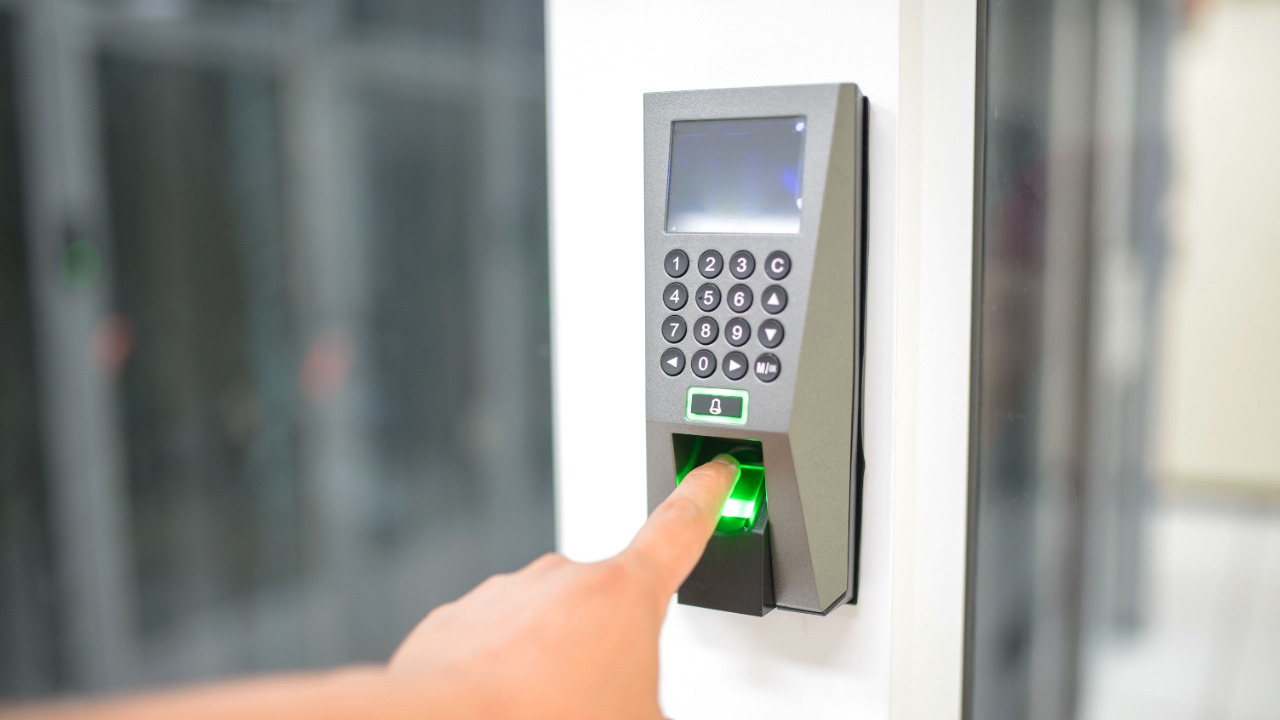

Biometric gun safes are sold as a fast way to keep firearms away from children, guests, burglars, and unauthorized users while still allowing the owner quick access. But a new recall shows how dangerous that promise becomes when the fingerprint lock itself fails.
The U.S. Consumer Product Safety Commission announced a recall of BBRKIN and MouTec biometric firearm safes after finding that the biometric lock can be opened by unauthorized users. According to the official CPSC recall notice, the defect poses a serious injury hazard and risk of death because a person whose fingerprint was never registered may still be able to open the safe.
The recall covers about 9,100 safes sold exclusively on Amazon. The affected product is model number QHXP029B, sold under the BBRKIN and MouTec names. For a device meant to prevent unauthorized access to firearms, the defect is not a small inconvenience. It defeats the basic reason the product exists.
What Was Recalled
The recall involves BBRKIN and MouTec biometric firearm safes, model QHXP029B. These are small firearm safes designed to open through fingerprint recognition, keypad entry, or backup access methods depending on configuration.
The safes were sold online through Amazon between September 2021 and February 2024. The CPSC says consumers should stop using the biometric feature immediately, remove any firearms from the safe, and contact BBRKIN for a free repair kit.
The hazard is direct. If the biometric lock can open for an unauthorized fingerprint, the safe may give a child, visitor, intruder, or other unintended person access to a loaded firearm.
Why This Recall Is So Serious
A normal product defect might cause inconvenience, property damage, or loss of function. A defective gun safe can create a life-or-death risk. If the lock fails open, the safe becomes a container that gives owners false confidence while failing to secure its contents.
That is especially dangerous in homes with children. A parent may believe a firearm is safely locked away when in reality the safe may open for someone else’s fingerprint. That false sense of security can be more dangerous than no safe at all because it changes behavior. Owners may store firearms in a way they would never choose if they knew the lock was unreliable.
The CPSC recall language is blunt because the risk is blunt: unauthorized access to firearms can lead to serious injury or death.
What “Unauthorized Users Can Open It” Means
The issue does not mean someone hacked the safe through Wi-Fi or guessed a password from across the room. It means the biometric locking feature can fail in a way that allows unregistered fingerprints to open the safe.
In a properly working biometric safe, the owner programs authorized fingerprints. The safe should reject all others. In the recalled safes, that rejection process may fail. A person who was never enrolled may be able to touch the scanner and open the safe.
That turns the convenience of biometric access into a vulnerability. The same feature that is supposed to make the safe quick and secure becomes the point of failure.
Why Biometric Locks Are Appealing
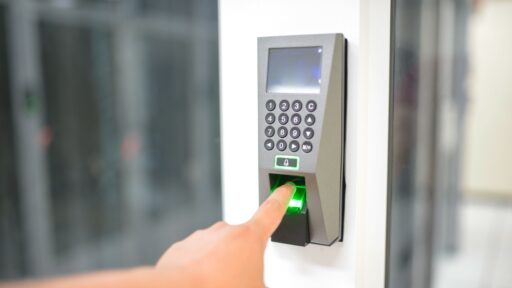
Biometric gun safes became popular because they promise fast access without needing to remember a code or find a key. In a home-defense situation, a fingerprint reader sounds convenient. Touch the scanner, open the safe, retrieve the firearm.
That convenience is the selling point. But firearm storage has a different risk profile than ordinary storage. If a phone fingerprint sensor fails, the user may be locked out or need a passcode. If a gun safe fingerprint sensor fails open, a dangerous object may become accessible to someone who should never touch it.
Biometric access can be useful only when it is reliable, tested, and backed by strong mechanical security. Speed cannot come at the cost of basic access control.
This Is Not the First Biometric Gun Safe Recall
The BBRKIN and MouTec recall is part of a broader pattern. The CPSC has warned about or recalled multiple biometric firearm safes after discovering that unregistered users could open them.
In October 2023, Fortress Safe recalled about 61,000 biometric gun safes after the biometric lock could be opened by unauthorized users. That recall followed the reported death of a 12-year-old boy.
In June 2024, SA Consumer Products recalled about 133,370 Sanctuary and Sports Afield biometric firearm safes, again because the biometric lock could be opened by unauthorized users.
The pattern is hard to ignore. This is not one isolated defective batch. It suggests a wider problem with some low-cost or poorly designed biometric firearm safe systems.
CPSC Officials Have Warned This Hazard Is Widespread
CPSC Commissioner Richard Trumka Jr. has warned that this problem appears across manufacturers and models. In a 2025 statement about Stack-On gun safes, he described the issue as another wave of biometric safe failures and said a gun safe that anyone can open is a “ticking time bomb.”
His CPSC statement pointed to several earlier recalls and warnings, including Fortress, Awesafe, MouTec, Bulldog, Machir, Sports Afield, Sanctuary, Owsoo, and Cacagoo products. He also noted that one child had been severely injured in connection with a Stack-On biometric safe concern.
This makes the BBRKIN and MouTec recall part of a continuing safety problem. Consumers should not assume that every fingerprint gun safe is secure simply because it looks heavy, modern, or well-reviewed online.
Why Children Are the Main Concern
The most serious risk is child access. Children may be curious, impulsive, unaware of danger, or unable to understand that a real gun is not a toy. If they can open a safe with an unregistered fingerprint, the consequences can be immediate and irreversible.
The American Academy of Pediatrics recommends that firearms be stored locked, unloaded, and separate from ammunition. The goal is to create multiple barriers between a child and a firearm.
A defective biometric safe removes one of those barriers. Worse, it may convince adults that a barrier exists when it does not.
Why “Quick Access” Can Conflict With Safety
Many small firearm safes are marketed as quick-access devices. That phrase appeals to gun owners who want a firearm available for emergency defense while still locked away from children or visitors.
The challenge is that quick access and secure access can conflict if the lock is poorly designed. A safe that opens instantly for the owner but also opens for strangers is not secure. A safe that rejects unauthorized users but also fails to open when the owner needs it has another problem.
A good firearm safe must do both jobs: keep unauthorized people out and allow authorized access reliably. If it cannot do both, it is not fit for its most important purpose.
Why Amazon-Only Sales Matter
The recalled BBRKIN and MouTec safes were sold exclusively through Amazon, according to the CPSC. Online marketplaces make it easy for consumers to buy safety products quickly, often based on star ratings, photos, and short descriptions.
But online listings do not always show whether a product has been independently tested, whether the biometric system is reliable, or whether the seller has a strong safety record. A gun safe is not a phone case or desk lamp. It is a safety-critical product.
Consumers buying firearm storage online should check recall databases, brand history, independent testing, and product standards before trusting a safe with a firearm.
What Owners Should Do Immediately
Owners of the recalled BBRKIN or MouTec model QHXP029B safe should stop using the biometric feature immediately. They should remove firearms and any hazardous items from the safe until the repair is completed.
The CPSC says owners should contact BBRKIN for a free repair kit. Consumers should follow the recall instructions rather than trying to test the safe repeatedly with different fingerprints while a firearm remains inside.
Testing a potentially defective gun safe with a loaded firearm inside is dangerous. The first step is always to remove the firearm safely and secure it another way.
Why Owners Should Not Wait
Some recall hazards are low urgency. This one is not. If a biometric safe can open for an unauthorized user, every day of continued use creates risk.
Owners may think the defect is unlikely because they have never seen it happen. But the danger is that the safe can fail without warning and without the owner realizing it. A child may discover the failure before the adult does.
That is why the CPSC tells consumers to stop using the biometric feature immediately. A firearm storage device should never be trusted after regulators identify a failure that allows unauthorized access.
What to Use Instead During the Recall
Until the recalled safe is repaired, firearms should be secured with a reliable alternative. That may include a properly functioning keyed safe, mechanical combination safe, cable lock, trigger lock, locked cabinet, or another storage device that unauthorized users cannot open.
The safest home storage method is usually layered: firearm unloaded, locked in a secure container, ammunition locked separately, and keys or combinations kept away from children and unauthorized users.
A temporary solution should not be casual. Placing a firearm in a closet, drawer, nightstand, or defective safe is not adequate if children, visitors, roommates, or others can access it.
Why Backup Keys Must Also Be Controlled
Many biometric safes include backup keys. These are useful if the battery dies or the biometric reader fails. But a backup key can also become a security weakness if it is stored nearby, labeled, or left where children can find it.
A safe is only as secure as its weakest access method. If the fingerprint lock is disabled but the backup key is in the same drawer, the firearm is still not properly secured.
Owners should store backup keys in a separate secure location, not taped to the safe, hidden under the safe, or placed in obvious household drawers.
Why Batteries and Electronics Add Failure Points
Electronic safes depend on batteries, sensors, circuit boards, programming, motors, solenoids, and software logic. Any of those pieces can fail. A failure may lock the owner out, drain power, misread fingerprints, or worse, allow unauthorized access.
Mechanical safes are not automatically perfect, but they do not rely on fingerprint algorithms or electronic enrollment logic. For firearm storage, simplicity can sometimes be an advantage.
Consumers choosing a biometric safe should ask what happens if the scanner fails, what happens if no fingerprint is properly enrolled, what happens after battery replacement, and whether the safe rejects all unregistered fingerprints under every condition.
Why Reviews May Not Reveal the Problem
Online reviews can miss safety defects. A customer may give a safe five stars because it opened quickly for them, looked sturdy, and arrived on time. They may never test whether unregistered users can open it.
Even if a few customers report unauthorized access, those warnings can be buried among hundreds of general reviews. Some buyers may assume user error rather than a dangerous defect.
For safety-critical products, recalls and independent testing matter more than star ratings. A product can look popular and still be unsafe.
Why “Biometric” Sounds More Secure Than It May Be
The word biometric can create a sense of high-tech security. Fingerprint recognition sounds personal and hard to fake. But the security depends on implementation.
A strong biometric system must enroll fingerprints properly, store templates securely, reject unknown users, handle partial prints, avoid default-open modes, resist spoofing, and fail safely. A weak system may simply create the appearance of security.
In firearm storage, appearance is not enough. The safe must reliably deny access to everyone except authorized users.
What Consumers Should Check Before Buying a Gun Safe
Before buying a biometric gun safe, consumers should check whether the model or brand has been recalled or warned against by the CPSC. The CPSC recalls database can be searched by brand and product type.
Buyers should also look for independent testing, clear instructions, strong mechanical construction, reliable fallback access, and evidence that the biometric system fails closed rather than open. They should read negative reviews carefully, especially any reports that children or unregistered users opened the safe.
A low price should not be the deciding factor when the product is meant to prevent firearm access.
Why Safe Storage Is a Public Health Issue
Firearm storage is not only a private household issue. It affects child injury, suicide prevention, domestic violence risk, theft, and accidental shootings. A firearm accessed by the wrong person can harm family members, visitors, neighbors, schools, or communities.
The CDC describes secure firearm storage as one strategy that can reduce firearm injuries and deaths. Safe storage is especially important in homes with children, teens, people experiencing depression, people with dementia, or anyone at risk of impulsive self-harm.
A defective safe undermines that prevention strategy.
Why Gun Owners Should Recheck Their Current Safes
The repeated biometric safe recalls mean gun owners should not only check new purchases. They should recheck safes already in the home.
Owners should identify the brand, model number, serial number, and purchase platform. They should search the CPSC database and manufacturer recall pages. They should test the safe only after firearms are removed and secured elsewhere.
If the safe opens for an unregistered fingerprint, stops requiring enrolled fingerprints, behaves inconsistently, or shows programming problems, owners should stop using it for firearm storage immediately.
Why Recall Repairs Must Be Completed
A recall notice is not the same as a fixed product. The safety benefit comes only when the owner follows the recall instructions and completes the repair, replacement, or disabling procedure.
Many recalled products remain in homes for years because consumers miss emails, change addresses, ignore notices, or keep using the item because it seems fine. That is especially dangerous with gun safes.
Owners should keep proof of the repair and share recall information with anyone who may have bought the same safe, especially family members who purchased it online.
Why Sellers and Marketplaces Need Stronger Screening
Online marketplaces should treat firearm-safety products differently from ordinary consumer goods. Products that fail at firearm storage can create deadly consequences. Sellers should be required to respond quickly to recall notices, notify buyers clearly, and remove unsafe listings.
Marketplaces also have access to purchase history, which can help reach affected consumers. If a product was sold exclusively through one platform, direct buyer notification should be fast and unavoidable.
Consumers should not have to stumble across a recall after a child has already discovered the flaw.
Why This Recall Should Change Consumer Behavior
The most important lesson is not that all biometric safes are bad. The lesson is that consumers should stop assuming biometric means secure. Fingerprint access is only as safe as the system behind it.
For firearm storage, reliability matters more than convenience. A safe that opens a little slower but reliably blocks unauthorized users is better than a fast safe that opens for strangers.
Gun owners should choose storage based on tested security, not only speed, price, or modern design.
Final Takeaway
BBRKIN and MouTec biometric firearm safes sold on Amazon have been recalled because their fingerprint locks can be opened by unauthorized users. The recall covers about 9,100 model QHXP029B safes sold from September 2021 through February 2024. The CPSC says the defect creates a serious injury hazard and risk of death because children or other unauthorized people could access firearms stored inside.
Owners should stop using the biometric feature immediately, remove firearms from the safe, secure them another way, and contact BBRKIN for the free repair kit. They should not rely on the safe until the recall remedy is completed.
The recall is part of a broader pattern of biometric gun safe failures across multiple brands. For gun owners, the message is clear: a firearm safe must be tested, reliable, and secure against unauthorized users. If a stranger’s fingerprint can open it, it is not a safe. It is a hidden hazard.