
New research is challenging the idea that a baby’s brain is molded only by genes and early life experience. Evidence now suggests that the microbes colonizing an infant’s gut, and even the nutrients shaping gene activity before birth, may work together with DNA to influence how the brain develops and how vulnerable a child may be to conditions such as autism and ADHD.
Rather than a one-way script written by genes alone, scientists are uncovering a three-way conversation among inherited DNA, the maternal environment, and the emerging gut microbiome. This shift in thinking is beginning to change how researchers talk about pregnancy, infant feeding, and early screening for neurodevelopmental risk.
New evidence that gut microbes and genes interact in early brain wiring
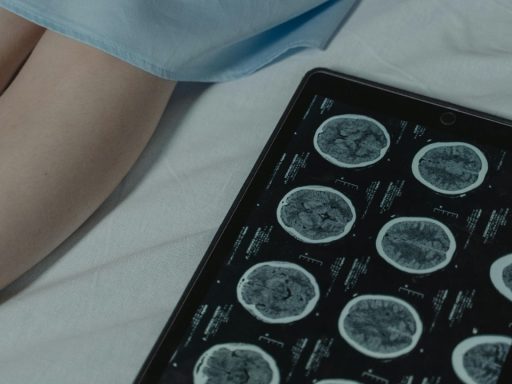
Several recent studies point to a tight link between gut bacteria in the first year of life and the structure and function of the developing brain. In one project highlighted by neuroscience researchers, scientists combined genetic data, brain imaging, and stool samples from infants to examine how microbial communities and inherited variants track with early neurodevelopment. They reported that specific bacterial profiles were associated with differences in brain connectivity and behavior, and that these links were strongest in babies carrying particular genetic patterns.
In another detailed infant study, researchers found that the composition of gut bacteria in the first months of life correlated with early markers of cognitive and motor development, as well as with early signs of social communication differences. Reporting on this work, a health analysis from Eastleigh Voice described how certain microbial patterns in the first year were tied to elevated neurodevelopmental risk, including features associated with autism spectrum disorder and attention deficit hyperactivity disorder.
These findings build on a growing body of research that links the gut microbiome to the brain through immune signaling, metabolic byproducts, and the vagus nerve. The new twist is the suggestion that genes may not simply set a baseline risk, but may also determine how strongly a baby’s brain responds to the presence or absence of specific microbes. In this view, the same microbial mix might be relatively neutral for one child and highly influential for another, depending on inherited variants in pathways that regulate immunity, synapse formation, or neurotransmitters.
What has changed in the understanding of prenatal and infant brain development
For decades, the dominant model of brain development treated genes and environment as separate levers. Genetics research focused on variants that increase the odds of autism or ADHD, while environmental studies looked at toxins, infections, or stress. Emerging microbiome data suggest that this divide is too simple. Microbes appear to act as part of the environment, yet their effects are filtered through gene activity that is already being tuned before birth.
Work in nutritional epigenetics has shown that nutrients available during pregnancy can alter how fetal genes are switched on or off without changing the DNA sequence. A detailed overview of this field describes how maternal intake of folate, choline, polyunsaturated fatty acids, and other compounds can modify DNA methylation and histone marks in the fetus, with long term consequences for metabolism and brain function. According to experts in nutritional epigenetics, these changes can influence neural tube formation, synaptic plasticity, and stress responses.
At the same time, infant microbiome studies are moving from broad associations to more specific candidates. Reporting on a longitudinal cohort, one analysis found that babies whose gut communities were dominated by certain beneficial species had lower rates of later behavioral problems and fewer diagnoses of autism and ADHD. The report concluded that gut health before appears to shape later neurodevelopmental risk, especially when combined with genetic susceptibility.
Further research summaries describe how scientists identified specific “good” microbes that seem to protect against neurodevelopmental disorders in animal models and in infant cohorts. In that work, children with higher levels of particular bacterial taxa showed fewer traits linked to autism and ADHD, suggesting a potential buffering effect of these protective microbes. Taken together, these lines of evidence are shifting the focus from isolated risk genes or single exposures toward a systems view that includes diet, microbes, and the genome in one network.
Why this gene–microbiome link matters for families and clinicians now
The possibility that gut microbes and genes jointly shape the brain has direct implications for pregnancy care, infant feeding, and early intervention. If maternal diet can reprogram fetal gene activity, and if those gene patterns then influence how an infant’s brain responds to its microbiome, prenatal nutrition becomes more than a general wellness issue. It becomes part of a targeted strategy to support brain development.
Specialists in nutritional epigenetics already emphasize folic acid supplementation to prevent neural tube defects, but newer data point to a broader palette of nutrients that may affect synapse formation and myelination. The same overview on how food shapes highlights that excessive or deficient intake of key vitamins, amino acids, and fatty acids can leave epigenetic marks that persist into childhood. For families with a known history of autism or ADHD, this raises the stakes for early nutritional counseling, although researchers caution that no single diet has been proven to prevent these conditions.
On the microbiome side, the association between infant gut profiles and later neurodevelopment is encouraging because, in principle, microbes are more modifiable than DNA. The study that linked early gut bacteria suggests that factors such as mode of delivery, breastfeeding, antibiotic use, and exposure to solid foods could influence risk trajectories. Even so, the same reporting stresses that correlation does not equal causation, and that interventions like probiotics or microbiome transplants in healthy infants remain experimental.
For clinicians, the emerging picture argues for a more integrated approach to risk assessment. Instead of viewing a family history of neurodevelopmental conditions as a fixed destiny, pediatricians and obstetric teams may begin to consider it alongside modifiable factors such as maternal nutrition and early microbial exposures. The analysis showing that gut health shapes hints at the possibility of stratifying infants into different monitoring pathways based on combined genetic and microbial profiles.
Researchers involved in these projects also warn against overselling personalized microbiome plans for babies. Much of the evidence still comes from observational cohorts and animal models. The most immediate value may lie in reinforcing existing public health messages about balanced prenatal nutrition, cautious antibiotic use, and support for breastfeeding where possible, while research catches up on targeted interventions.
What comes next in research and potential interventions
The next wave of studies is likely to move beyond association and into mechanism. The project described by neuroscience researchers already combined brain imaging with genomic and microbiome data, and future work will probably add metabolomics and immune profiling. That kind of multi layer analysis could reveal which microbial metabolites interact with specific genetic pathways to influence synapse formation, myelination, or pruning during sensitive windows of development.
Scientists are also starting to test whether altering the microbiome in high risk infants can shift developmental outcomes. The identification of good gut microbes that appear protective has already sparked interest in designing next generation probiotics tailored to early brain health. Any such products will need rigorous clinical trials, especially since the same bacteria might not have identical effects in children with different genetic backgrounds or epigenetic histories.
On the prenatal side, the field of nutritional epigenetics is moving toward more precise recommendations based on maternal genotype, metabolic status, and even microbiome composition. Instead of one size fits all advice, future guidelines might suggest specific nutrient targets or timing for women whose fetuses carry variants linked to neurodevelopmental vulnerability. That approach raises ethical questions about genetic screening and access, but it also reflects a broader shift toward preventive strategies that begin before birth.