
Across the tree of life, a handful of species can regrow body parts that, for humans and most mammals, are gone for good. Their abilities are not magic tricks but the result of finely tuned biology that researchers are now dissecting gene by gene. Those same mechanisms are starting to guide bold ideas about healing injuries, slowing aging, and even preventing extinctions.
How five standout species rewrote the rules on regeneration
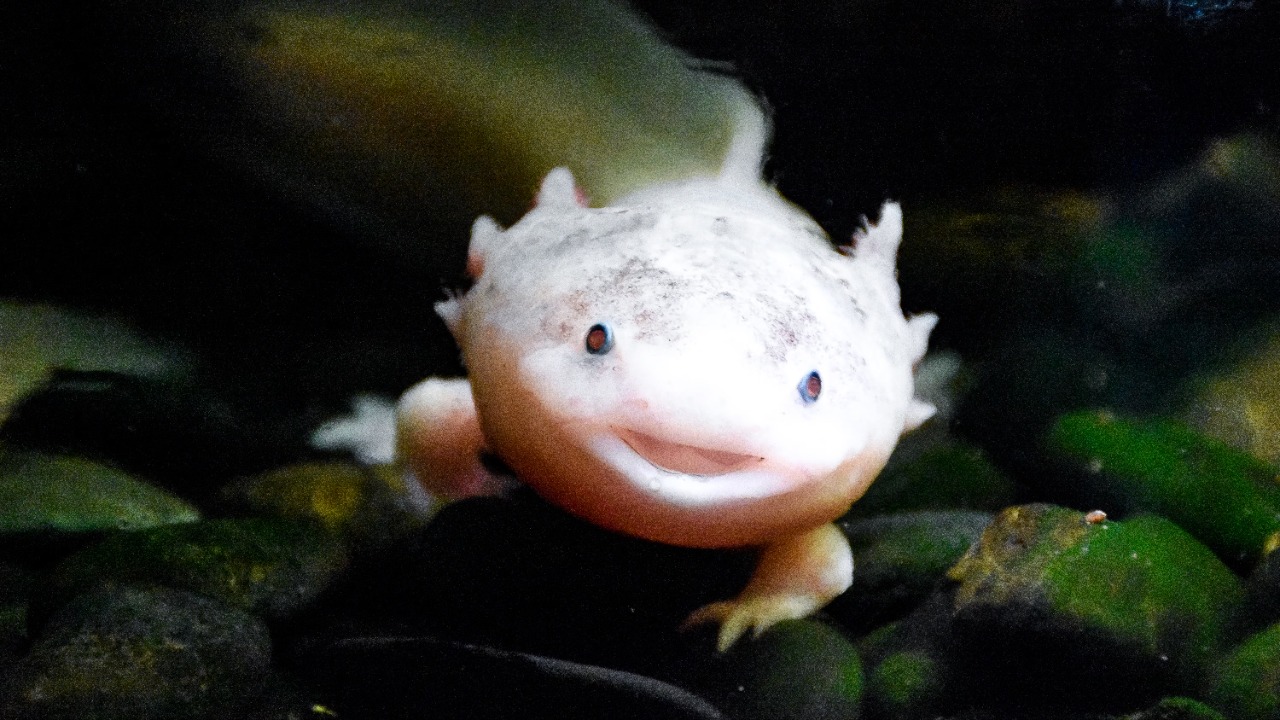
Salamanders sit at the top of any regeneration list. Axolotls and newts can replace entire limbs, tails, parts of the heart, spinal cord, and even portions of the eye. After an injury, cells at the wound site form a structure called a blastema, a mound of stem-like cells that rebuilds the missing anatomy with the right bones, muscles, nerves, and skin in the right places. Work on salamanders has shown that mature cells can revert to a more flexible state and then re-specialize, a process that gives them a second developmental life and helps explain their extraordinary recovery potential.
Starfish offer a different twist on the same theme. Many species can regrow arms and, in some cases, an entire body from a single remaining limb. Because each arm contains part of the central nervous system and key organs, when one is lost, the starfish can reconstruct the rest around that surviving template. Studies of echinoderms, which include starfish and sea cucumbers, highlight how their immune and connective tissue cells rapidly reorganize instead of scarring, a response that lets new structures form instead of locking the wound in place. These abilities have made both salamanders and starfish classic models for scientists trying to understand complex regeneration, as highlighted in overviews of regenerating animals.
Flatworms known as planarians push the concept even further. A tiny fragment of a planarian can reconstruct a whole new worm, complete with a brain, gut, and reproductive organs. Their bodies are packed with pluripotent stem cells that respond to chemical gradients and positional cues, which tell each cell whether it belongs at the head, tail, or somewhere in between. When a planarian is cut, those gradients reset and the stem cells effectively rebuild a body map from scratch.
Among vertebrates, zebrafish have become a workhorse of regeneration research. These small freshwater fish can regrow parts of their heart, fins, and retina. After heart injury, zebrafish cardiomyocytes divide and replace damaged tissue instead of forming permanent scar. Because zebrafish are easy to breed and genetically manipulate, they give scientists a practical way to track which genes switch on during repair, and how those genes interact with inflammation, blood vessels, and surrounding tissues.
Hydra, tiny relatives of jellyfish, round out the list with a near-mythic capacity for renewal. A hydra chopped into pieces can reassemble itself into multiple complete animals. Its simple body plan, with a tube-like structure and tentacles, is constantly renewed by stem cells that rarely age. That continuous turnover, along with efficient DNA repair and cell death systems, has led some researchers to describe hydra as biologically ageless, a theme that also appears in work on so-called immortal species.
Why extreme regeneration suddenly feels urgent for humans
For decades, the ability of salamanders, planarians, and hydra to regrow body parts was treated as a biological curiosity. The attitude is shifting as genetic tools become precise enough to compare regenerative champions with less capable species, including humans. Recent work has focused on genes and molecular switches that control whether a wound heals with a scar or with new, functional tissue.
Researchers studying limb regrowth in salamanders have identified gene networks that coordinate blastema formation, nerve growth, and patterning. Some of those networks appear to be conserved in mammals but remain dormant or are shut down after early development. Earlier this year, one group described what they called a potential “holy grail” set of genes that, when activated in animal models, could promote limb-like regrowth rather than scarring. Reports on these regenerative genes have fueled speculation about future therapies for amputees and people with severe burns or spinal injuries.
Comparative work across salamanders, zebrafish, and mammals has already revealed shared pathways that regulate inflammation, cell cycle control, and tissue patterning. In some cases, the same gene that helps a salamander regrow a limb is present in humans but behaves differently after injury. Reviews of how regenerative animals repair damage suggest that dialing down chronic inflammation and reawakening developmental programs could be key to unlocking better healing in people.
These discoveries matter against a backdrop of accelerating biodiversity loss. While a few species can rebuild lost parts, no animal can regenerate its way out of extinction. Over the last two centuries, a long list of mammals, birds, amphibians, and invertebrates has vanished entirely. Analyses of animals extinct in catalog species that disappeared through a mix of habitat destruction, overhunting, pollution, and introduced predators. Conservation groups have highlighted at least 18 recently extinct, from island birds to freshwater dolphins, as emblematic of how quickly human activity can erase whole lineages.
The contrast is stark. On one side are salamanders quietly regrowing limbs in threatened wetlands and hydra renewing themselves in streams. On the other are species that cannot recover from the loss of a single breeding population, let alone an entire habitat. Regeneration research therefore intersects with conservation in two ways. Scientists rely on living populations of these unusual animals to understand how regeneration works at all. Insights from their biology may eventually feed into strategies that keep more species alive, whether through improved veterinary care, better management of injuries in reintroduced animals, or long-term efforts to reduce age-related disease in captive breeding programs.
Where regeneration research and conservation might go next
The next decade is likely to bring a more detailed genetic map of how regenerative species rebuild their bodies. Single-cell sequencing, live imaging, and gene editing are already being used to track individual cells as they move, divide, and specialize during regrowth in salamanders, zebrafish, and planarians. This work should clarify which genes are essential for forming a blastema, which control patterning along the limb or body axis, and which act as brakes that prevent uncontrolled growth.
Translating those findings into human medicine will be slow and carefully regulated. Any attempt to activate powerful growth programs in people runs into the risk of cancer or malformed tissues. Early applications are more likely to focus on partial regeneration, such as improving heart repair after a heart attack, enhancing nerve regrowth after spinal cord injury, or reducing scarring in skin and muscle. Researchers are also exploring whether temporary, localized activation of regenerative pathways can be combined with biomaterials, such as scaffolds or 3D-printed implants, to guide new tissue into the right shape.
At the same time, conservationists are grappling with how to protect the very species that make this research possible. Amphibians that regenerate well, including many salamanders, are under pressure from habitat loss, climate shifts, and fungal disease. Marine invertebrates like starfish face warming oceans, pollution, and changing currents. If these animals disappear, science loses unique windows into how complex bodies can repair themselves. That reality adds a practical dimension to calls for stronger habitat protection and pollution controls, alongside more traditional arguments about moral responsibility and ecosystem stability.
There is also growing interest in how regenerative biology intersects with aging. Species such as hydra and certain jellyfish show very low rates of age-related decline, with continuous cell turnover and efficient DNA repair helping them avoid many of the problems that accumulate in older mammals. Insights from these long-lived invertebrates could inform efforts to maintain tissue health in humans for longer, even if true biological immortality remains far beyond reach.
For now, the five animals that can regrow what most species cannot remain outliers. Their abilities highlight how flexible life can be, but also how fragile. Each limb that a salamander regrows, each starfish arm that sprouts anew, depends on intact ecosystems and stable populations. As genetic discoveries edge closer to medical applications, the challenge will be to harness those lessons without losing the wild teachers that revealed them.