
Toyota and Lexus have once again dominated the J.D. Power vehicle dependability conversation, reinforcing the idea that the company’s slow, careful approach to engineering still pays off after years of ownership. In the 2026 U.S. Vehicle Dependability Study, Lexus ranked highest among premium brands, while Toyota Motor Corporation collected the most model-level awards across the industry.
According to J.D. Power’s 2026 U.S. Vehicle Dependability Study, Lexus ranked highest overall among premium brands for the fourth consecutive year, scoring 151 problems per 100 vehicles. Toyota also performed strongly among mass-market brands and won several individual model categories.
The result matters because dependability is not about how exciting a vehicle feels on a test drive. It is about what happens after three years of real ownership, when technology glitches, mechanical problems, interior issues, infotainment frustrations, and repair needs begin to separate strong vehicles from weak ones.
What J.D. Power Actually Measures
The J.D. Power Vehicle Dependability Study measures problems reported by original owners of three-year-old vehicles. The 2026 study focused on 2023 model-year vehicles and measured problems per 100 vehicles, often shortened to PP100.
A lower PP100 score is better. If a brand has 151 PP100, that means owners reported 151 problems for every 100 vehicles surveyed. It does not mean every vehicle had a problem. Some vehicles may have several issues, while others may have none.
This makes the study different from initial quality rankings, which focus on problems during the first few months of ownership. Dependability looks deeper into ownership life. That is why shoppers, used-car buyers, and long-term owners often pay close attention to it.
Lexus Led the Premium Segment Again
Lexus ranked highest among premium brands with 151 problems per 100 vehicles, continuing a strong run in the study. Cadillac ranked second with 175 PP100, while Porsche ranked third with 182 PP100.
That result is important because premium vehicles often struggle in dependability studies. Luxury cars typically have more complex features, more electronics, more comfort systems, more sensors, more screens, more advanced suspension hardware, and more software-dependent technology. More features can mean more opportunities for problems.
Lexus has built its reputation on resisting unnecessary complexity and refining proven systems. In a market where some luxury brands chase flashy technology, Lexus often wins by making ownership feel predictable.
Toyota Won the Most Model-Level Awards
Toyota Motor Corporation earned the most model-level awards in the 2026 study. J.D. Power said the corporation received awards for the Lexus IS, Lexus UX, Lexus GX, Toyota Corolla, Toyota Camry, Toyota Tacoma, Toyota Sienna, and Toyota 4Runner.
That spread is impressive because it covers sedans, crossovers, SUVs, a minivan, and a pickup. It shows that Toyota’s dependability strength is not limited to one body style or one market niche.
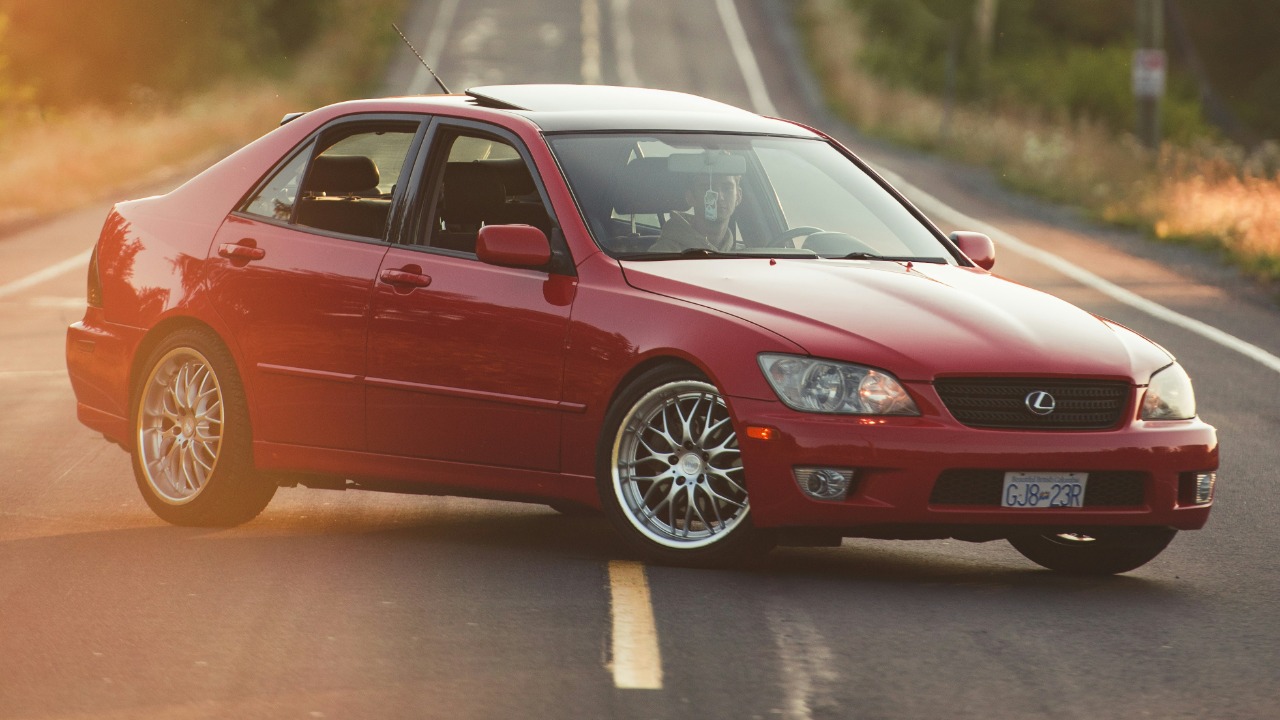
The Lexus IS was especially notable because it was named the most dependable model overall in the study, according to J.D. Power and summaries from outlets such as CarPro.
Why the Lexus IS Stood Out
The Lexus IS is not the newest or flashiest luxury sedan. In fact, some reviewers criticize it for being older than many competitors. But that age may help explain its dependability strength.
A mature platform gives engineers time to fix recurring problems, refine manufacturing, simplify troublesome systems, and avoid unproven technology. The IS may not feel as cutting-edge as some rivals, but dependability studies often reward vehicles that choose proven engineering over constant reinvention.
This is one of Toyota and Lexus’s quiet advantages. They are not always first to adopt every new feature, but they often make systems more reliable before pushing them widely.
Buick Led the Mass-Market Brands
Toyota and Lexus did not win every brand category. Buick ranked highest among mass-market brands for a second consecutive year, scoring 160 PP100. MINI ranked second with 168 PP100, and Chevrolet ranked third with 178 PP100.
That is important context because the headline should not imply Toyota alone swept every brand ranking. Lexus led premium brands, while Buick led mass-market brands. Toyota’s strength showed heavily at the model-award level and through its broader above-average performance.
The bigger story is that Toyota Motor Corporation continued to dominate individual dependability wins, while Lexus remained the premium brand benchmark.
The Industry Average Got Worse
The 2026 study also showed that vehicle dependability remains a challenge across the industry. J.D. Power reported an industry average of 204 problems per 100 vehicles. That means owners of three-year-old vehicles are still reporting a large number of issues.
Modern vehicles are more advanced than ever, but that advancement brings complexity. Infotainment systems, wireless phone integration, driver-assistance features, software updates, digital controls, sensors, cameras, and connected services all create new pain points.
Older reliability problems were often mechanical. Today’s problems can be mechanical, electrical, digital, or software-related. This is why some brands that build strong engines and transmissions can still lose dependability points if their screens, apps, or driver-assistance systems frustrate owners.
Technology Is Becoming the Weak Spot
One of the most consistent themes in J.D. Power studies is that technology features create many owner complaints. Infotainment systems, Bluetooth, Apple CarPlay, Android Auto, voice recognition, navigation, touchscreen lag, warning alerts, and over-the-air updates can all affect dependability scores.
This matters because automakers are selling vehicles as rolling technology platforms. Buyers want bigger screens, smarter assistants, wireless features, connected apps, and advanced safety systems. But when those features fail or annoy users, they hurt the ownership experience.
Toyota and Lexus have sometimes been criticized for conservative infotainment design. But in dependability terms, conservative can be an advantage if the system works consistently.
Why Toyota’s Strategy Still Works
Toyota’s reliability success is not accidental. The company has long focused on manufacturing discipline, supplier quality, careful validation, gradual improvement, and avoiding unnecessary risk. Toyota’s production philosophy emphasizes root-cause problem solving rather than quick fixes.
That approach may not always produce the most exciting product launches, but it tends to produce vehicles that age well. The Corolla, Camry, Tacoma, Sienna, and 4Runner all benefit from this reputation.
For buyers who keep vehicles for many years, dependability often matters more than novelty. A car that starts every morning, avoids expensive repairs, and holds value can be more satisfying than one with the newest features but frequent problems.
Why the Toyota Camry Still Matters
The Toyota Camry winning a model-level award is especially meaningful because it remains one of the most important sedans in the U.S. market. Even as SUVs dominate sales, the Camry continues to attract buyers who want practicality, fuel economy, comfort, and long-term reliability.
A dependable Camry matters because it is often used by families, commuters, ride-share drivers, fleets, and people who need affordable transportation with low ownership risk. The Camry’s reputation was built over decades, and awards like this help preserve that reputation.
In a market where sedans are disappearing, the Camry remains a reminder that simple, durable cars still have value.
Why the Corolla Win Reinforces Toyota’s Core Strength
The Toyota Corolla is one of the world’s most familiar cars. It is not bought for flash. It is bought because people expect it to be affordable, efficient, easy to maintain, and reliable.
A dependability award for the Corolla supports Toyota’s core brand promise. Buyers who choose a Corolla often want transportation that does not create drama. They care about fuel economy, resale value, low maintenance costs, and fewer surprise repairs.
That kind of dependability may not generate viral excitement, but it creates customer loyalty.
Why the Tacoma Award Is Important
The Toyota Tacoma has long had one of the strongest durability reputations in the midsize pickup segment. A model-level award in the dependability study helps reinforce that image, especially as truck buyers become more cautious about expensive repairs and long-term ownership costs.
Pickup buyers often expect trucks to last through work, towing, dirt roads, commuting, and family use. The Tacoma’s dependability reputation also helps it hold resale value, making it expensive used but attractive to buyers who want lower long-term risk.
The Tacoma award matters because the midsize truck segment is competitive, with rivals from Ford, Chevrolet, GMC, Nissan, Jeep, and Honda. Toyota’s dependability edge remains one of its strongest weapons.
Why the 4Runner Keeps Winning Buyers
The Toyota 4Runner has often been criticized for being old-school, inefficient, and less refined than newer SUVs. But that old-school character is exactly why many buyers trust it.
The 4Runner’s model-level dependability award shows the power of proven design. Body-on-frame construction, rugged hardware, and years of refinement have helped the 4Runner become a favorite among buyers who value durability over cutting-edge features.
For some customers, a vehicle that feels a little dated but lasts a long time is a better deal than a newer design filled with technology that may age poorly.
Why the Sienna Award Matters for Families
The Toyota Sienna is a family vehicle, and dependability is especially important in that category. Minivan buyers often carry children, groceries, sports gear, pets, strollers, luggage, and daily-life chaos. They need sliding doors, seats, hybrid systems, climate control, safety features, and electronics to work reliably.
A dependable minivan reduces stress. Families do not want unexpected repairs, school-run breakdowns, or service visits interrupting daily routines.
The Sienna’s award also supports Toyota’s hybrid strategy. Toyota has pushed hybrids for decades, and the Sienna’s hybrid-only powertrain shows that electrification can be dependable when engineered carefully.
Lexus UX and GX Show Two Sides of Lexus
The Lexus UX and Lexus GX winning model-level awards shows how Lexus dependability stretches across very different vehicles. The UX is a small luxury crossover, while the GX is a rugged luxury SUV with strong off-road and long-term durability appeal.
The UX attracts buyers who want a smaller premium vehicle with good efficiency and manageable size. The GX attracts buyers who want body-on-frame toughness, luxury, and long service life.
Both wins support Lexus’s image as a brand that can deliver luxury without sacrificing dependability.
Why Dependability Helps Resale Value
Toyota and Lexus vehicles often hold value well, and studies like this help explain why. Used-car buyers are willing to pay more for vehicles they believe will create fewer problems. Strong dependability rankings support that confidence.
Resale value matters because depreciation is one of the largest ownership costs. A car that costs more upfront but loses less value and requires fewer repairs can be cheaper to own than a cheaper vehicle with poor reliability.
This is one reason Toyota and Lexus products can seem expensive on the used market. Buyers are paying for perceived lower risk.
Why Dependability Is Not the Same as Perfection
Even Toyota and Lexus vehicles can have problems. No brand is immune to recalls, defects, parts failures, software glitches, or owner complaints. A high dependability ranking means fewer reported problems compared with competitors, not zero problems.
Owners still need maintenance. Oil changes, tires, brakes, fluids, filters, batteries, recalls, alignments, and inspections matter. A reliable vehicle can become unreliable if neglected.
Dependability is a head start, not a replacement for proper care.
Why Some Brands Struggle More
Brands with many new models, complex technology, luxury features, EV systems, or aggressive redesigns may struggle in dependability studies. New technology can create early problems that take years to solve.
Some automakers also launch vehicles quickly to compete in fast-moving segments, especially EVs, hybrids, large SUVs, and software-heavy luxury cars. Speed can come at the cost of validation.
Toyota’s slower approach may frustrate buyers who want the latest technology first. But the J.D. Power results show why patience can pay off after three years of ownership.
What This Means for EVs and Hybrids
The dependability discussion is especially important as the industry moves toward electrification. EVs can reduce maintenance because they have fewer traditional drivetrain parts, but they also bring new challenges such as battery systems, charging hardware, thermal management, software, sensors, and electronic controls.
Toyota has been more cautious than many rivals in the EV transition, focusing heavily on hybrids. Critics say the company moved too slowly on battery-electric vehicles. Supporters say Toyota avoided rushing into technology that still has reliability and infrastructure challenges.
The Sienna’s award helps Toyota’s argument that electrification does not have to mean higher ownership risk when the technology is mature and well tested.
Why Buyers Should Use Dependability Data Carefully
J.D. Power’s study is useful, but it should not be the only tool buyers use. Shoppers should also check Consumer Reports reliability data, NHTSA recalls, owner forums, service bulletins, repair-cost estimates, insurance costs, and local mechanic experience.
Dependability can also vary by model year, trim, engine, transmission, and option package. A brand-level ranking does not guarantee every model from that brand is equally strong.
The smartest approach is to use dependability studies as a starting point, then research the exact vehicle being considered.
What Used-Car Buyers Should Learn
Used-car buyers should pay special attention to this study because it looks at three-year-old vehicles. A 2023 model is now entering the used market, lease-return market, and certified pre-owned pipeline. That makes the 2026 VDS especially relevant for shoppers buying nearly new vehicles.
A Toyota or Lexus model with strong dependability scores may be a safer used buy, but condition and maintenance records still matter. Buyers should check service history, accident records, recall completion, tire wear, fluid changes, and whether the vehicle was used heavily.
A dependable model with poor maintenance can still become a bad purchase.
Why Automakers Should Pay Attention
The study sends a clear message to automakers. Customers do not only care about big screens and bold styling. They care about whether those features keep working after years of real use.
The industry’s rising problem counts show that complexity is hurting dependability. Automakers need to improve software quality, simplify controls, validate electronics longer, and make over-the-air updates more useful and less frustrating.
Toyota and Lexus are winning partly because they understand that dependability is a product feature. It may not look exciting in an ad, but it matters deeply in ownership.
Why Toyota’s Win Is Bigger Than Awards
Toyota and Lexus winning dependability recognition does more than create marketing material. It strengthens trust. Trust helps sell new vehicles, supports used values, keeps customers loyal, and reassures buyers who are nervous about rising vehicle prices.
Cars are expensive now. Buyers are financing longer, keeping vehicles longer, and worrying more about repair bills. In that environment, dependability becomes more valuable than ever.
Toyota and Lexus are not just winning awards. They are winning the long game.
Final Takeaway
Toyota and Lexus again proved their strength in the 2026 J.D. Power U.S. Vehicle Dependability Study. Lexus ranked highest among premium brands for the fourth consecutive year with 151 problems per 100 vehicles, while Toyota Motor Corporation earned the most model-level awards across the study.
Toyota and Lexus winners included the Lexus IS, Lexus UX, Lexus GX, Toyota Corolla, Toyota Camry, Toyota Tacoma, Toyota Sienna, and Toyota 4Runner. The Lexus IS was also named the most dependable model overall, reinforcing the brand’s reputation for long-term quality.
The broader lesson is simple. As vehicles become more complex, dependability is becoming harder to deliver and more valuable to buyers. Toyota and Lexus continue to show that careful engineering, proven platforms, and disciplined quality control still matter more than chasing every new feature first.