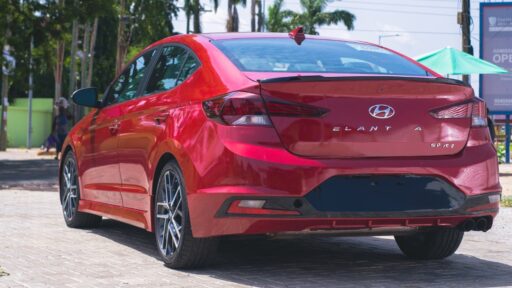
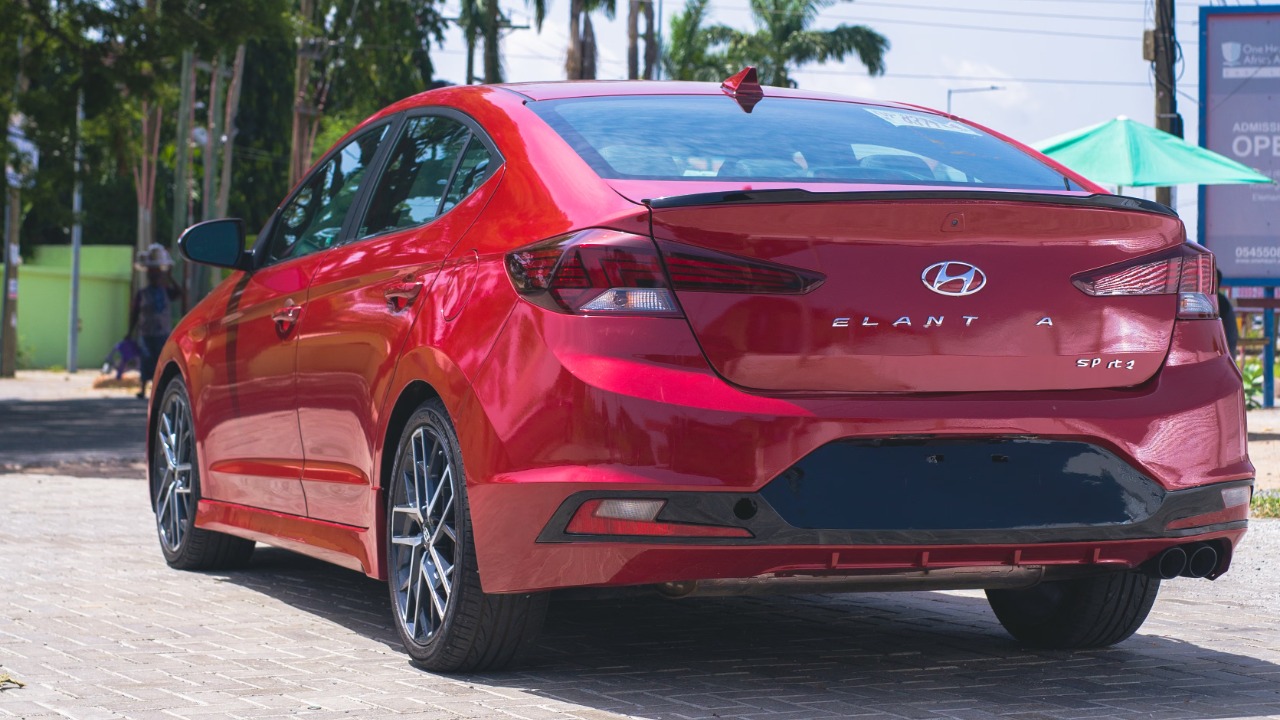

The Hyundai Elantra has become the most-stolen car in America, showing how one ordinary compact sedan turned into a major target for thieves. The latest theft rankings show the Elantra leading the national list again, even as overall vehicle thefts have started to fall after several years of record highs.
According to reporting based on National Insurance Crime Bureau data, the Hyundai Elantra accounted for 21,732 thefts in 2025, keeping it at the top of America’s most-stolen vehicle list. Forbes reported that the Elantra continued to lead the list, followed by models such as the Hyundai Sonata and Honda Accord.
The ranking matters because the Elantra is not a rare luxury car or exotic performance vehicle. It is a common everyday sedan. That makes the theft trend more alarming for ordinary drivers who may assume thieves only target expensive SUVs, sports cars, or luxury brands.
Why the Elantra Became Such a Big Target
The Hyundai Elantra’s theft problem is tied partly to the broader Hyundai and Kia theft wave that exploded after social media videos showed how some older models without engine immobilizers could be stolen quickly using simple tools. Many affected vehicles used traditional keyed ignitions rather than push-button start and lacked immobilizing anti-theft devices that prevent the engine from starting without the correct electronic key.
Hyundai has acknowledged the issue and created a dedicated anti-theft software upgrade program for affected customers. The company says all of the nearly 4 million vehicles involved are now eligible for the free software upgrade.
This is important because the Elantra theft story is not only about one model. It reflects how a design decision, a viral social media trend, and a large vehicle population combined to create a national theft problem.
Overall Vehicle Theft Is Falling, but the Risk Has Changed
The strange part of the story is that national vehicle theft has recently declined sharply. Reuters reported that U.S. vehicle thefts fell 16.6 percent in 2024 to 850,708 vehicles, after reaching a record high of more than 1 million in 2023. The decline was linked partly to anti-theft measures from Hyundai and Kia, improved vehicle supply, law enforcement work, and reduced black-market incentives.
Autoweek later reported that 2025 thefts dropped again to 659,880 vehicles, the lowest level in decades. That means the national picture is improving. But the Elantra’s position at the top shows that some vehicles remain disproportionately attractive to thieves.
For owners, the takeaway is not panic. It is targeted caution. A car can become less risky nationwide while still being a preferred target in certain cities, neighborhoods, parking lots, or theft networks.
Relay Attacks Are Changing the Theft Playbook
At the same time, auto theft is becoming more technical. Relay attacks are one of the biggest concerns for vehicles with keyless entry and push-button start. In a relay attack, thieves use electronic devices to extend the signal from a key fob inside a house or bag to the vehicle outside. The car thinks the key is nearby, unlocks, and may allow the engine to start.
This type of theft does not require breaking a window or hotwiring in the old-fashioned sense. It relies on tricking the car’s keyless system. Security researchers have warned for years that passive keyless entry and start systems can be vulnerable when the vehicle cannot reliably confirm the real distance between the key and the car.
A 2025 research review on remote keyless entry theft found that vehicle remote-entry systems continue to face attacks such as relay, RollJam, replay-style methods, and newer connected-vehicle weaknesses. The study described an ongoing “cat and mouse” problem between thieves and automakers.
Why Relay Attacks Are So Effective
Relay attacks are effective because they exploit convenience. Drivers like keyless systems because they do not need to remove the fob from a pocket, purse, or backpack. The car senses the fob nearby and responds automatically.
The problem is that “nearby” can be manipulated. If a thief stands near the house with one relay device and another thief stands near the vehicle with a second device, the car may receive a signal that appears valid. To the vehicle, it can look as if the key is right there.
Some newer vehicles include stronger protections such as motion-sleeping fobs, ultra-wideband distance measurement, improved encryption, and timeout features. But protection varies by brand, model, year, and software.
The Elantra Theft Wave Is Not Only a Relay Problem
It is important not to confuse two different theft issues. Many Hyundai and Kia thefts involved keyed-ignition models without immobilizers, not relay attacks against push-button systems. Thieves exploited the ignition design after breaking into the vehicle.
Relay attacks mainly target keyless-entry and push-button vehicles. The Elantra headline can therefore include both trends, but they are not identical. The Elantra’s national theft ranking is strongly tied to the earlier Hyundai/Kia vulnerability, while relay attacks show how thieves are also adapting to newer vehicle technology.
That distinction matters for owners. The right defense depends on the theft method. A software update and steering-wheel lock may help with one risk. A signal-blocking pouch and better key-fob storage may help with another.
Hyundai and Kia Anti-Theft Fixes Are Still Important
Hyundai and Kia have rolled out free anti-theft upgrades for millions of affected vehicles. The software update is designed to prevent certain vehicles from starting during the theft method popularized online. Hyundai also introduced ignition cylinder protectors and reimbursement programs in some situations.
The Associated Press reported that a nationwide settlement requires Hyundai and Kia to provide free anti-theft repairs for about 9 million U.S. vehicles from model years 2011 through 2022 and to install engine immobilizers in future U.S. models.
For Elantra owners, the practical step is simple: check whether the vehicle is eligible for the upgrade and complete it. Some owners may assume their car is safe because the news cycle has moved on, but unprotected vehicles can still be attractive targets.
Why Immobilizers Matter
An engine immobilizer prevents a vehicle from starting unless the correct electronic key is present. Many modern vehicles have used immobilizers for years, and they are one reason traditional hotwiring became harder.
The Hyundai/Kia theft wave showed what happens when high-volume vehicles lack immobilizers in the U.S. market. Once thieves learned that certain models could be started without the proper key, the information spread quickly online. Theft became not only a criminal act but a viral challenge.
Immobilizers do not stop every theft. Cars can still be towed, hacked, stolen with relayed keys, or taken through key programming attacks. But immobilizers raise the difficulty level and reduce casual theft.
Why Social Media Made the Problem Worse
Auto theft has always involved knowledge sharing, but social media changed the speed and scale. Videos showing theft methods spread widely and reached people who may not have otherwise known how to steal a vehicle.
This created a copycat effect. Some thefts were committed by organized criminals, while others were carried out by teenagers or opportunistic thieves seeking attention. The result was stolen vehicles, crashes, insurance problems, lawsuits, and higher costs for owners.
The Elantra’s ranking is partly a reminder that online content can turn a product weakness into a national public-safety problem almost overnight.
What Owners Should Do First
Hyundai Elantra owners should check whether their vehicle is eligible for Hyundai’s anti-theft software update. They should also check for any recall, service campaign, or theft-prevention remedy through Hyundai, their dealer, or official vehicle lookup tools.
Owners with keyed-ignition models should consider using a visible steering-wheel lock. It may not stop every thief, but it can deter opportunistic theft because it adds time, noise, and effort. Some police departments distributed steering-wheel locks during the Hyundai/Kia theft surge because visible deterrence can matter.
Parking in well-lit areas, using a garage when available, installing a quality alarm, and adding a tracking device can also reduce risk or improve recovery chances.
How to Reduce Relay Attack Risk
Drivers with keyless-entry or push-button vehicles should store key fobs away from exterior doors, windows, and driveway-facing walls. Keeping the fob near the front door makes it easier for thieves to amplify the signal from outside.
A signal-blocking pouch, also called a Faraday pouch, can help if it actually works. Owners should test it by placing the fob inside and trying to unlock the car. If the car still unlocks, the pouch is not blocking the signal properly.
Some vehicles allow owners to disable passive keyless entry. Others have key fobs that go to sleep when motionless. Owners should check their manuals or ask dealers whether these features are available.
Why Spare Keys Can Become a Weak Point
Many households forget about spare keys. A main key may be stored safely, while the spare sits in a drawer near the entryway, in a garage, or inside the vehicle. Thieves only need one active fob signal or one accessible key to defeat many protections.
Owners should secure all keys, not just the one used daily. Spare fobs should also be stored away from exterior walls or inside signal-blocking storage. If a key is lost, the vehicle’s key memory should be updated by a dealer or qualified technician so the missing key no longer works.
This is especially important for used-car buyers, who may not know how many keys were originally programmed to the vehicle.
Insurance Costs Can Reflect Theft Risk
When a model becomes a high-theft target, insurance companies pay attention. Some owners of affected Hyundai and Kia vehicles faced higher premiums, coverage restrictions, or difficulty finding policies in certain markets. This happened because insurers were seeing high claim volumes tied to theft and damage.
Even if a stolen vehicle is recovered, the cost can be large. Thieves may damage windows, steering columns, ignitions, wiring, body panels, interiors, wheels, and electronics. Some stolen cars are crashed, stripped, or used in other crimes.
Completing anti-theft upgrades and adding visible deterrents may help owners reduce risk, though insurance treatment varies by company and location.
Used-Car Buyers Should Be Careful
Anyone buying a used Hyundai Elantra should check the model year, ignition type, service history, theft-related updates, recalls, and insurance costs before purchasing. A cheap used car may become expensive if it is hard to insure or remains vulnerable to theft.
Buyers should ask for proof that anti-theft software updates or hardware fixes have been completed. They should also inspect the steering column and ignition area for signs of previous theft attempts.
A used Elantra can still be a good car, but buyers should understand the theft history and take preventive steps immediately.
Why Cities See Different Theft Patterns
National rankings are useful, but local theft patterns can differ. In some cities, Hyundai and Kia models remain heavily targeted. In others, older Hondas, Toyotas, pickup trucks, luxury SUVs, or catalytic-converter targets may dominate.
The San Francisco Chronicle reported that Honda and Toyota models reclaimed the top spots in San Francisco’s most-stolen rankings in 2025, even though the Hyundai Elantra remained the national leader. That shows why owners should watch local police alerts, insurance advisories, and neighborhood theft trends.
A vehicle that is high-risk nationally may not be the top target in every city, and a model that is low-risk nationally may be a local target because of parts demand or organized theft rings.
The Future of Car Theft Is More Digital
Vehicle theft is moving toward a mix of old and new methods. Thieves still break windows, steal keys, tow cars, and exploit mechanical weaknesses. But they also use relay devices, key programmers, CAN bus attacks, stolen credentials, connected-car app weaknesses, and electronic spoofing.
This creates pressure on automakers to design vehicles with cybersecurity in mind. Locks, alarms, immobilizers, software updates, key systems, mobile apps, and vehicle networks must all work together.
For drivers, this means anti-theft habits now include both physical and digital security. Lock the car, but also protect the fob. Park smart, but also update software. Use a steering-wheel lock when useful, but also secure connected accounts.
Final Takeaway
The Hyundai Elantra remains America’s most-stolen car, with reports showing more than 21,000 thefts in 2025. The ranking reflects the lingering impact of the Hyundai/Kia theft wave, especially among vehicles that lacked engine immobilizers and became widely targeted after theft methods spread online.
At the same time, relay attacks and other electronic methods are changing the broader auto-theft landscape. Keyless convenience can become a weakness when thieves use devices to trick vehicles into thinking the fob is nearby.
Owners should take layered precautions. Hyundai drivers should complete free anti-theft updates if eligible, use visible deterrents, and check insurance and recall status. Keyless-entry owners should store fobs away from doors and windows, use tested signal-blocking storage, secure spare keys, and stay alert to local theft trends. Auto theft may be declining overall, but for high-risk models and keyless vehicles, prevention still matters.