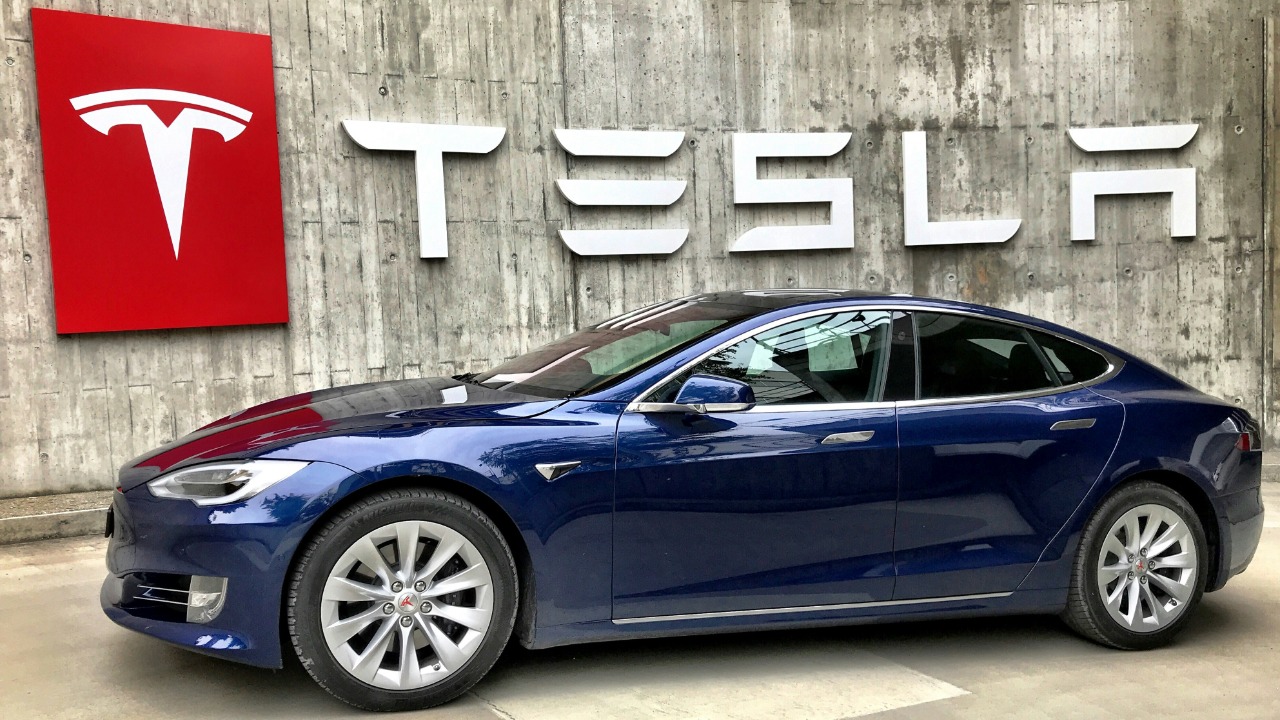

Consumer Reports has delivered a harsh verdict on some of the most talked‑about carmakers in America. In its latest reliability data on the used market, Tesla, Jeep, and Ram sit at the bottom of the brand rankings, a sharp contrast with their strong name recognition and, in Tesla’s case, tech‑driven image. For shoppers facing record used‑car prices, that gap between hype and dependability carries real financial stakes.
The new list reshapes perceptions of which automakers build vehicles that keep performing once the original owner moves on. It also sharpens the divide between brands that have quietly focused on long‑term durability and those that have leaned on styling, performance, or software features while struggling with basic quality control.
How Consumer Reports reshaped the used‑car reliability pecking order
Consumer Reports bases its reliability scores on detailed owner surveys that track problem areas such as engines, transmissions, electronics, and in‑car tech across multiple model years. In the latest look at the used market, Tesla, Jeep, and Ram fall to the bottom of the brand list, with owners reporting higher‑than‑average trouble across key systems according to new rankings of. That places them behind not only traditional Japanese leaders but also several mainstream American rivals.
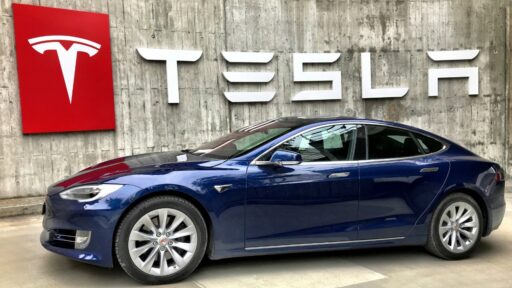
Electric vehicles present a mixed picture. Tesla’s low brand score reflects chronic issues with body hardware, paint, trim, and complex electronics, even as its powertrains often hold up well. At the same time, Consumer Reports identifies several EVs that outperform expectations on durability. A recent analysis of owner data highlights models such as the Lexus UX 300e and Toyota bZ4X among the most reliable electric, suggesting that battery power itself is less of a problem than execution and quality control.
The broader brand hierarchy looks very different from the Tesla‑Jeep‑Ram trio. Japanese and Korean automakers continue to dominate long‑term dependability, with multiple studies showing that brands from Japan in particular tend to accumulate fewer serious defects over time than their American counterparts. A recent comparison of long‑term performance in the United States finds that Japanese marques still lead most reliability rankings between, especially once vehicles cross the five‑year mark.
Visualizations of the 2026 data highlight this split clearly. When new and used reliability scores are plotted side by side, brands such as Toyota, Lexus, and Mazda cluster near the top in both categories, while Tesla, Jeep, and Ram sink toward the bottom of the used‑car chart. The same analysis shows that some brands with average scores on new vehicles improve significantly once early bugs are fixed, while others deteriorate as mileage climbs, which is the case for several lower‑ranked used‑car brands.
Why the new reliability picture matters for buyers and the industry
For consumers, the immediate impact is financial. A used Tesla Model 3, Jeep Wrangler, or Ram 1500 still commands a premium in many markets, largely because of brand pull and, for Tesla, high demand for EVs. If those vehicles are statistically more likely to suffer costly repairs, the total cost of ownership can quickly outstrip that of a less glamorous but sturdier rival. Reliability scores effectively serve as a proxy for future repair bills and time spent in the shop instead of on the road.
The data also complicate some popular narratives. Tesla is often framed as a technology company that happens to build cars, and its over‑the‑air updates and driver‑assist features attract intense attention. Yet persistent issues with hardware and fit‑and‑finish mean its cars age less gracefully than many traditional nameplates. Jeep and Ram, both associated with rugged capability and powerful trucks or SUVs, face a similar credibility gap when owners report frequent mechanical and electrical problems after only a few years of use.
On the other side of the ledger, the brands that rise to the top of the reliability charts gain a quieter but powerful advantage. Consumer Reports points to models such as the Toyota Corolla Hybrid, Subaru Forester, and Mazda CX‑50 among the best vehicles of, and those recommendations often translate directly into stronger resale values. A reputation for durability lets dealers ask more for used inventory and gives owners more leverage when trading in or selling privately.
There is also a competitive signal for the industry. As electrification and software‑defined vehicles spread, some executives have argued that traditional reliability metrics will matter less than user experience or rapid feature updates. The current data undercut that idea. Owners still penalize vehicles that spend time in the service bay, regardless of how advanced their infotainment looks, and they reward brands that get the basics right even if the cars feel conservative.
Market dynamics in the used‑car sector amplify these effects. With many shoppers priced out of new vehicles, a larger share of buyers now rely on older cars for longer. That shift makes long‑term reliability data more influential than launch reviews or short‑term road tests. A brand that lands at the bottom of Consumer Reports’ used‑car list risks losing not just new‑car shoppers but also second and third owners who increasingly research reliability scores before signing a loan.
What the rankings reveal about where automakers go from here
The latest Consumer Reports findings arrive as automakers juggle multiple pressures: emissions rules, the shift to electric powertrains, and the rapid integration of advanced driver assistance and connected services. Brands that struggle in used‑car reliability tend to be those that pushed aggressively into new technology or distinctive styling without fully stabilizing their manufacturing and quality processes. Tesla’s rapid model updates and software‑first approach, and Jeep and Ram’s focus on complex off‑road and towing hardware, fit that pattern.
For Tesla, the message is clear. As more early Model 3 and Model Y vehicles enter the used market in large numbers, their real‑world durability will shape the company’s reputation as much as Autopilot or charging speed. If owner surveys continue to report frequent issues with suspension components, interior trim, and infotainment glitches, the brand risks a widening gap between its tech image and day‑to‑day ownership reality. That could weigh on residual values, which in turn affects lease pricing and the economics of future models.
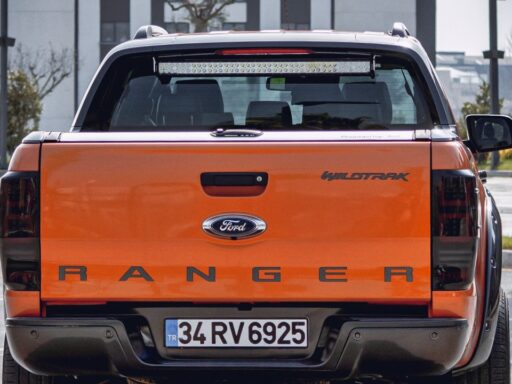
Jeep and Ram face a different, but related, challenge. Their core buyers value capability and character, and both brands have cultivated a loyal community around products like the Wrangler and Ram 1500. Repeated reliability concerns, especially around transmissions, electronics, and turbocharged engines, threaten to erode that loyalty over time. If a family’s off‑road SUV or work truck becomes a recurring repair project by year five, word of mouth can turn quickly, particularly in rural markets where downtime is costly.
The broader industry context suggests a path forward. Brands that combine conservative engineering with disciplined quality control tend to climb the reliability rankings for both new and used vehicles. Several Japanese and Korean manufacturers have shown that it is possible to introduce hybrid and electric models while maintaining strong scores on long‑term dependability. Visual analyses of 2026 data indicate that these companies manage to keep warranty claims and major failures lower across higher mileage, which reinforces their position in used‑car brand comparisons.
For shoppers, the lesson is to look beyond brand cachet and focus on specific models and their track records. Consumer Reports’ surveys, along with other long‑term studies that compare American and Japanese brands, give buyers a clearer view of how vehicles behave after the honeymoon period. When a model appears repeatedly on lists of the most dependable nameplates, that history is often a better guide than a flashy marketing campaign or a viral social media clip.