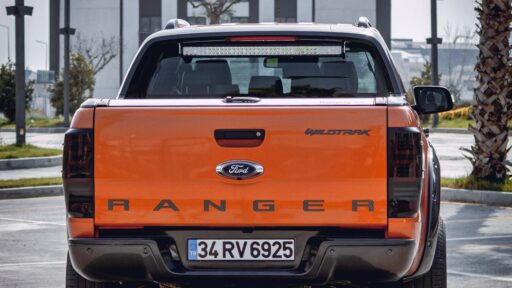
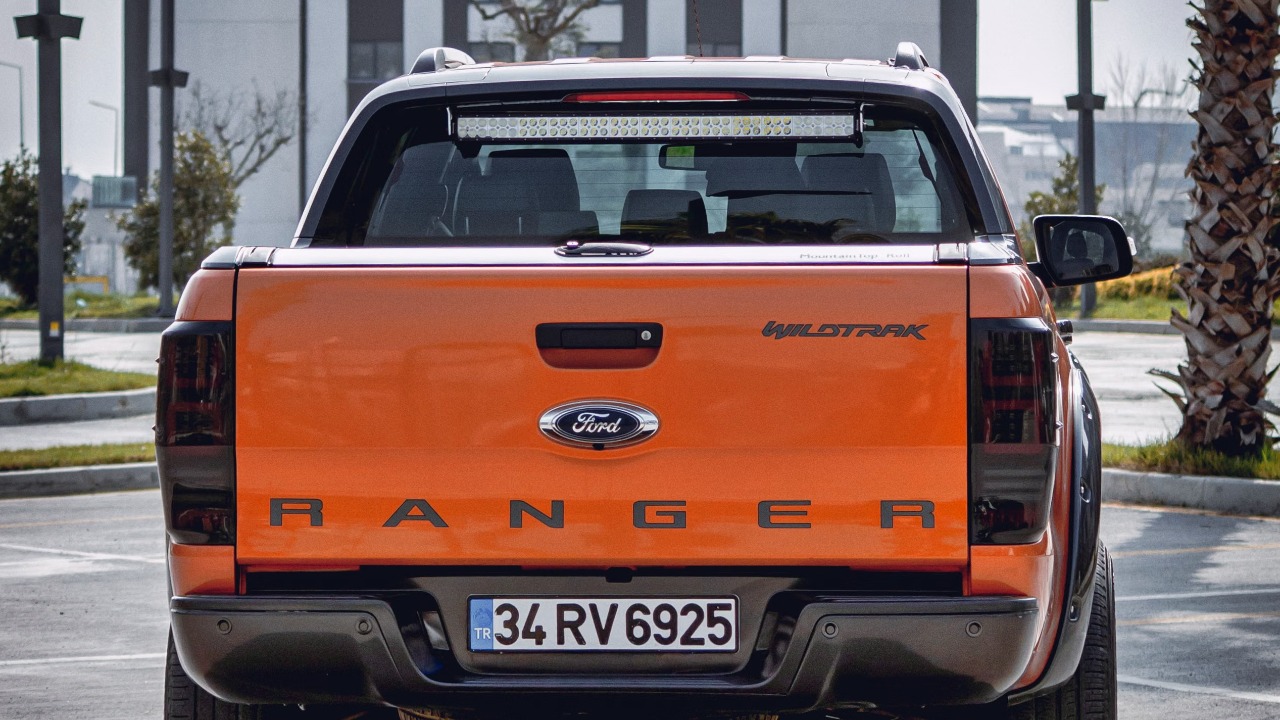

Used pickup shoppers are facing higher prices, tighter inventories and a confusing mix of model years and trim levels. Against that backdrop, two workhorses, the Ford Ranger and the Nissan Frontier, have emerged as standouts for long-term reliability relative to what buyers pay. Recent rankings that measure remaining lifespan, dependability history and real-world ownership costs increasingly place these midsize trucks near the top for value-conscious drivers.
Both models blend simpler engineering with proven drivetrains and wide parts availability, helping them age more gracefully than many rivals. For buyers trying to stretch a budget, that combination of durability and manageable operating costs is starting to matter more than flashy tech or massive towing figures.
How the Ranger and Frontier climbed reliability-and-value rankings
Reliability lists are increasingly shifting away from short-term survey scores and toward projected remaining life. One analysis of used vehicles by remaining lifespan, which highlighted long-lived models such as the Honda Fit and Nissan Leaf, evaluated how many usable miles different cars have left at typical resale points. That approach, outlined in new remaining-lifespan rankings, favors vehicles with conservative engineering and strong maintenance records. The Ford Ranger and Nissan Frontier fit that profile, especially in older, less complex generations.
On the pickup side, long-term dependability lists that focus on the last decade of ownership data increasingly highlight the Nissan Frontier as a standout. One ranking of the most reliable pickup trucks of the last ten years places the Frontier among the top performers for low major-failure rates and consistent owner satisfaction. In that analysis of reliable pickups, the midsize Nissan earned praise for its longevity even as competitors cycled through more aggressive redesigns.
A separate reliability review that looked specifically at midsize trucks over a ten-year window singled out the Frontier as the most dependable model in its class in the United States. That study, which examined a decade of ownership outcomes, found that the Nissan Frontier experienced fewer serious issues than key rivals. The truck’s relatively unchanged platform and straightforward powertrains helped it avoid some of the teething problems that can accompany frequent redesigns.
The Ford Ranger’s path is slightly different. The current-generation Ranger has been praised for its blend of modern safety features and work-ready capability, while for used buyers the sweet spot is often earlier model years that pair simpler electronics with widely used EcoBoost engines. Reliability-focused pickup rankings that span the last decade frequently place the Ranger near the top tier, especially for owners who keep up with routine maintenance and avoid heavy overloading. Taken together, these findings have pushed both trucks up lists that weigh long-term dependability against purchase price.
Why reliability-for-the-money matters more in the current truck market
The used truck market has changed sharply in recent years, with prices for popular half-ton models pushing many buyers into older or smaller pickups. At the same time, fuel costs and insurance premiums have made operating expenses a bigger part of the decision. That environment favors midsize trucks that combine strong reliability with reasonable efficiency, helping explain why value rankings increasingly highlight models like the Ranger and Frontier.
Fuel economy is a key part of the calculation. Advice for shoppers comparing the most fuel-efficient trucks shows that midsize models can often deliver better mileage than full-size pickups while still handling commuting, light towing and weekend projects. Guides to efficient trucks frequently point out that buyers who move down a size class can save money at the pump over years of ownership. When that fuel advantage is paired with a reputation for lasting well past 150,000 miles, the total cost picture becomes more attractive.
Expert evaluations of new midsize pickups have also raised the profile of this segment overall. Recent comparisons of the best midsize trucks for the current model year highlight a mix of capability, comfort and technology that rivals what full-size pickups offered not long ago. In those reviews of the best midsize trucks, models like the latest Ranger are praised for towing and payload ratings that meet the needs of most private owners, without the bulk and cost of a heavy-duty rig.
For used buyers, that means a five- or seven-year-old midsize truck can deliver modern safety tech, a comfortable cabin and respectable towing capacity while avoiding the steepest part of the depreciation curve. When a model also carries a track record of few major mechanical failures, the value equation tilts strongly in its favor. That is where the Nissan Frontier’s decade-long reliability performance and the Ford Ranger’s reputation for stout drivetrains become especially meaningful.
Dealer data on used-truck sales further supports this shift. Lists of the best-selling used trucks on retail lots show that buyers still gravitate toward familiar badges, but they are increasingly open to smaller pickups that promise lower ownership costs. Analyses of used-truck sales trends note that demand for midsize models has grown as shoppers look for vehicles that fit city parking, family duty and occasional hauling without the financial burden of a full-size V8.
Reliability rankings that factor in remaining lifespan effectively translate that buyer instinct into data. A used Ranger or Frontier that can reasonably be expected to deliver another 100,000 miles with routine upkeep offers a very different value story than a similarly priced truck with a history of transmission or engine failures. In a market where many households stretch loan terms to afford a vehicle, that difference can determine whether a truck becomes a long-term asset or an expensive headache.
How these rankings could shape the next wave of midsize trucks
The growing emphasis on reliability per dollar is already influencing how automakers position their midsize pickups. For Nissan, the Frontier’s strong showing in decade-long dependability studies is a marketing asset that reinforces its image as a no-nonsense work truck. The company has gradually updated styling and cabin tech while keeping the core formula relatively simple, a strategy that aligns with findings that the Frontier’s conservative evolution has helped it avoid chronic issues.
Ford faces a slightly different challenge, since the Ranger competes in more global markets and carries expectations for advanced technology and performance. The latest Ranger generation, highlighted in current best-midsize-truck comparisons, adds powerful turbocharged engines and sophisticated driver-assistance systems. To maintain its emerging reputation as a smart used buy, Ford will need to show that these upgrades can match the durability of earlier Rangers that built the nameplate’s credibility among long-term owners.
Reliability-focused rankings are also likely to steer how buyers configure their trucks. As more shoppers study lists of the most reliable pickups of the last decade, they may gravitate toward simpler trims, proven engine options and fewer complex add-ons. The analysis that placed the Frontier high on its reliability ladder emphasized how a relatively unchanged platform and limited number of drivetrains simplified both manufacturing and long-term ownership. That lesson could encourage buyers to choose configurations that are closer to the fleet-spec trucks that tend to accumulate high mileages with minimal drama.
There is also a feedback loop between used-market performance and future product planning. Studies that track remaining lifespan and real-world repair histories give automakers a clearer picture of which components fail early and which designs age well. As rankings like the recent remaining-lifespan list gain attention, manufacturers have an incentive to engineer trucks that will look good in those tables a decade from now. That could mean prioritizing durable transmissions, corrosion protection and accessible service points, even when those choices add some upfront cost.
For consumers, the immediate impact is more actionable guidance. A buyer comparing a used Ford Ranger and Nissan Frontier to a similarly priced full-size truck can now consult multiple data-driven rankings that quantify expected remaining miles, typical repair costs and fuel usage. When those numbers are stacked together, the midsize options often emerge as the smarter financial play, especially for drivers who mainly commute, carry light loads or tow modest trailers.