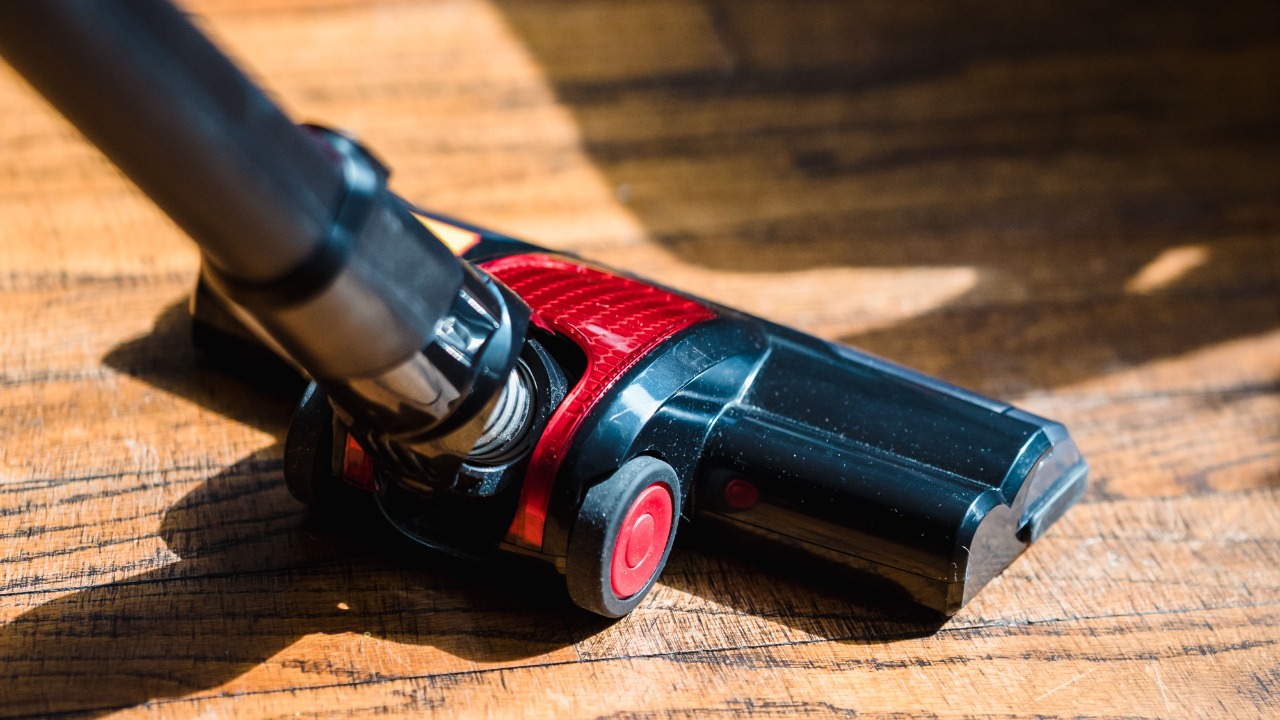

A cordless stick vacuum that was supposed to make cleaning simpler instead left a trail of scorched floors and burned hands, prompting a federal safety recall and fresh scrutiny of lithium-ion batteries inside everyday gadgets. The incident shows how a single component failure can turn a common household tool into a serious fire hazard, and why regulators are increasingly focused on the batteries that power modern life.
The recall comes as homes fill with rechargeable devices, from vacuums to power banks, and as safety agencies confront a growing list of fires linked to small electronics. Consumers now face a new question whenever they plug in a cleaner or charger: how safe is the battery inside?
How the recalled cordless vacuum ended up on the CPSC’s danger list
The U.S. Consumer Product Safety Commission detailed the problem in a recall notice for certain Rowenta cordless vacuum cleaners, explaining that the lithium-ion battery pack can overheat and catch fire, creating a risk of serious burns and property damage. According to the agency, affected units were sold nationwide and online, and the manufacturer is offering free repairs or replacements to anyone who owns one of the recalled models. The recall covers specific Rowenta stick vacuums identified by model and serial numbers in the official recall notice.
Reports to the CPSC describe incidents in which the vacuum’s battery pack allegedly ignited while charging or in use, leaving users with burn injuries and, in some cases, damage to nearby furniture or flooring. The pattern is familiar to investigators who have been tracking similar failures in other small appliances that rely on compact, high energy batteries.
Before the Rowenta action, safety officials had already warned about another cordless stick vacuum that became popular on social media. In that case, the CPSC urged consumers to stop using a trendy model entirely after receiving reports of batteries that overheated, smoked, or burst into flames. The agency’s alert on the trendy cordless stick stressed that even a single failure can be catastrophic when it happens inside a home.
Recalls have not been limited to one brand. Bissell has previously pulled hundreds of thousands of cordless vacuums from the market after multiple complaints that their battery packs overheated and, in some cases, caused fires. In one recall, the company and regulators cited dozens of overheating reports tied to specific Bissell models and advised owners to stop using the affected cleaners until they received a replacement battery pack or unit. Details of those incidents and the scope of affected models appear in the Bissell vacuum recall coverage.
Why the recall lands in the middle of a broader battery safety reckoning
The Rowenta recall is part of a much wider pattern that now stretches across categories, from cordless vacuums to portable chargers. Lithium-ion cells pack a large amount of energy into a small space, which makes them ideal for lightweight devices but also vulnerable to catastrophic failure if they are damaged, poorly manufactured, or paired with the wrong charger.
Regulators have repeatedly flagged external battery packs as a growing source of risk. Earlier this year, a popular line of Casely portable power banks was recalled after reports that some units overheated and caught fire, in one case causing serious burns. The recall notice for those Casely power banks described swelling, melting cases, and flames that erupted while the devices were plugged in, a scenario that mirrors the hazards seen in faulty vacuum batteries.
Even as recalls mount, manufacturers are racing to showcase new cordless cleaning technology at major trade events. At CES 2026, vacuum makers promoted sleeker stick vacuums with more powerful motors, longer runtimes, and faster charging. Coverage of the show highlighted products like the Deglace Fraction, a concept cordless vacuum that uses high capacity cells and advanced power management to stretch battery life. The presentation of the Deglace Fraction illustrated how central battery performance has become to vacuum marketing, even as safety questions mount.
Consumer advocates argue that this arms race for longer runtime and higher suction can encourage manufacturers to push battery chemistry and charging systems closer to their limits. If thermal management or quality control falls short, the result can be the kind of overheating and ignition that triggered the Rowenta recall. Unlike phones or laptops, vacuums and power banks often charge in garages, closets, or near flammable household items, which can amplify the damage when something goes wrong.
Past recalls show how quickly a defect can scale. In an earlier campaign, Bissell and federal regulators identified hundreds of thousands of cordless vacuums that needed repair or replacement because of fire risks. Coverage of that Bissell cordless recall pointed to dozens of overheating complaints and a handful of fires, a reminder that a relatively small failure rate can still translate into widespread danger when millions of units are in circulation.
What the recall means for consumers, retailers, and regulators right now
For consumers, the immediate takeaway is straightforward. Anyone who owns a Rowenta cordless vacuum covered by the CPSC recall should stop using it, unplug the charger, and follow the instructions in the recall notice to obtain a repair or replacement. Continuing to use an affected unit after a fire related recall can create liability issues and, more importantly, exposes the household to unnecessary risk.
Owners of other cordless vacuums and battery powered cleaners can take practical steps even if their product is not under recall. Devices should be charged on hard, nonflammable surfaces, away from beds, sofas, curtains, or stacks of cardboard. Chargers that were not supplied with the product should be avoided, since mismatched voltage or current can stress cells and increase the chance of overheating. If a vacuum battery begins to swell, emit a chemical smell, or feel unusually hot, it should be unplugged immediately and kept away from combustible materials.
Retailers also face new pressure. Stores that sell recalled Rowenta vacuums are expected to pull affected models from shelves and online listings, and many will need to contact customers directly using loyalty program records or online order histories. Large chains have been criticized in past recalls for leaving hazardous items on clearance racks or third party marketplace pages after a recall, which undercuts the effectiveness of CPSC actions.
For regulators, the Rowenta case adds to a growing file of incidents that may shape future rules for lithium-ion products. The CPSC has already signaled that it is looking closely at battery powered devices that are marketed heavily on social media, as seen in the warning about the social media popular. Lawmakers and safety advocates are likely to use this pattern to argue for stricter testing standards, clearer labeling about charging practices, and stronger obligations for importers that bring low cost devices into the country.
How the Rowenta fire hazard could reshape cordless design and oversight
The next phase of the Rowenta recall will unfold in customer service channels and engineering labs. The company will need to collect and analyze failed battery packs to determine whether the root cause lies in cell manufacturing, battery management software, physical damage during use, or a combination of factors. That forensic work will influence any design changes in future models and may also affect how other brands evaluate their own products.
Engineers in the vacuum industry are already exploring alternative approaches. Some newer designs isolate battery packs in reinforced compartments, add more temperature sensors, or use software that throttles power when cells approach unsafe thresholds. Others experiment with modular batteries that can be swapped out more easily, which could simplify future recalls by allowing manufacturers to replace only the pack rather than the entire vacuum.
Regulators, for their part, may look beyond individual recalls to systemic solutions. That could include updated voluntary standards for cordless appliances, more aggressive enforcement against noncompliant importers, or closer coordination with fire departments that track incidents involving small electronics. The pattern seen in Rowenta, Bissell, Casely power banks, and the recalled power banks suggests that the underlying risk is not confined to any one category.