
Shoppers focused on driving a vehicle well into the high six figures on the odometer keep arriving at the same conclusion: traditional trucks with body-on-frame construction still last the longest. Even as crossovers dominate sales charts and electric models grab headlines, the vehicles that stay on the road the longest remain full-size pickups and truck-based SUVs built the old-fashioned way.
That repeat performance in longevity rankings is no accident. It reflects how these vehicles are engineered, how owners use them, and how the market now treats durability as a feature with real financial stakes.
How this year’s durability rankings shifted toward truck-based hardware
Longevity lists that track vehicles reaching high mileage thresholds again show a heavy concentration of full-size pickups and truck-framed SUVs. The common thread is body-on-frame construction, where the ladder frame carries the load and the body sits on top, rather than the body and frame forming a single unit as in most crossovers and cars.
In practical terms, that separate frame changes how a vehicle ages. The frame takes the brunt of towing stress, off-road impacts, and payload weight, which helps the body and interior structure resist fatigue over hundreds of thousands of miles. When a suspension or driveline component wears out, technicians can typically unbolt it from the frame and replace it without disturbing the rest of the structure. That repair-friendly layout is one reason long-running models like the Toyota Tundra, Ford F-150, and Chevrolet Silverado appear again and again in high-mileage surveys.
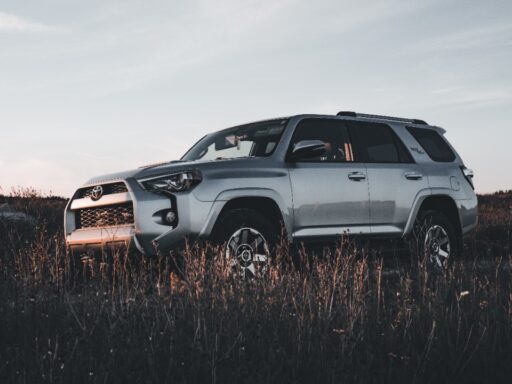
Truck-based SUVs follow the same pattern. Models such as the Toyota 4Runner, Lexus GX, and Chevrolet Tahoe share frames and drivetrains with pickups, and they show similar staying power in fleet and owner data. A guide to current body-on-frame SUVs highlights how many of these vehicles still prioritize towing, off-road use, and heavy-duty service, all of which reward the durability of a separate frame.
There are shifts inside the rankings, however. Some newer generations have traded naturally aspirated V8 engines for turbocharged V6 units or hybrid systems that improve fuel economy but introduce more complexity. Where a previous-generation truck might have relied on a simple hydraulic steering system and a conventional six-speed automatic, the latest versions add electric power steering, 10-speed gearboxes, and layers of software. Early data suggests that the underlying frames and basic driveline components remain stout, but long-term reliability of newer electronics is still developing and will influence future lists.
At the same time, a few unibody vehicles have climbed in the longevity tables, especially minivans and certain midsize crossovers known for conservative engineering. Their presence does not erase the dominance of body-on-frame trucks, but it shows that design discipline and component quality can sometimes offset the structural advantages of a ladder frame.
Why repeat wins for truck-based platforms matter to buyers and the industry
The continued strength of truck-framed models in longevity rankings has direct financial implications. Buyers who keep vehicles for a decade or more can spread the higher purchase price of a full-size pickup over more miles, which lowers cost per mile even if fuel and maintenance bills are higher than for a compact crossover. For small businesses that depend on trucks for work, the ability to run a vehicle for 250,000 miles before replacement can shape cash flow and capital planning.
Resale values reflect that calculus. Used-market data consistently shows strong demand for high-mileage pickups and truck-based SUVs that have documented maintenance and relatively rust-free frames. A 10-year-old half-ton pickup with 180,000 miles often commands more money than a similarly aged sedan with far lower mileage, largely because buyers expect the truck to keep going. That expectation is grounded in the same durability that keeps these models near the top of longevity lists.
Insurance and financing practices are also affected. Lenders are more comfortable with longer loan terms on vehicles that historically retain value and remain roadworthy deep into their life cycles. Insurers, in turn, use historical loss data to price coverage, and vehicles that stay in service longer without catastrophic failures can benefit from more favorable rates for certain risk profiles.
For automakers, the rankings act as both a marketing tool and a constraint. Brands whose trucks dominate high-mileage charts lean on that reputation in advertising and dealer pitches, emphasizing frame strength, towing ratings, and long-term dependability. That reputation also creates pressure not to cut corners on frames, suspensions, or powertrains, even as cost-cutting across the industry intensifies. Engineering teams must balance weight reduction and fuel economy targets with the need to preserve the durability that underpins the brand’s image.
The environmental angle is more complicated. On one hand, a vehicle that remains in service for 20 years avoids the emissions and resource use associated with building multiple replacements. On the other, many of these long-lived trucks are less efficient than modern crossovers or electric vehicles. Policy discussions about lifecycle emissions increasingly weigh the benefit of keeping older but durable trucks on the road against the gains from retiring them in favor of cleaner technology. That tension will grow as more jurisdictions set aggressive emissions targets.
What the next wave of truck longevity could look like
The next few product cycles will test whether body-on-frame trucks can maintain their longevity edge while absorbing new technology. Manufacturers are integrating advanced driver assistance systems, complex infotainment suites, and electrified powertrains into platforms that once relied on mechanical simplicity. Each added system introduces components that must last as long as the frame and engine if the vehicle is to keep its place in long-term rankings.
Electric pickups and large SUVs present a particular challenge. Their skateboard-style platforms blur the line between body-on-frame and unibody, with battery packs integrated into structural frames. These vehicles promise fewer moving parts in the powertrain, which could improve reliability, but their battery longevity, corrosion resistance, and repairability over 15 or 20 years remain largely unproven. How well high-voltage systems age in harsh climates and heavy towing service will determine whether they can rival traditional trucks in real-world durability.
Hybrid body-on-frame models offer another path. By pairing a conventional ladder frame with an electric motor and battery, they aim to preserve towing and payload while improving efficiency. Their long-term success will depend on how easily owners can service both the mechanical and electrical sides of the drivetrain. If battery modules and power electronics are designed for straightforward replacement, these trucks could extend their working lives much as older pickups have done with engine or transmission swaps.
Regulation and consumer behavior will shape the outcome. Stricter emissions and safety standards can shorten the practical life of older trucks if compliance becomes too costly or impossible. At the same time, a growing culture of restoration and modification around classic pickups and SUVs keeps some models alive far beyond their original design horizon. Frame-based construction helps here as well, since it allows extensive rebuilding, from new bodies and interiors to modernized powertrains, without discarding the core structure.
Data transparency is likely to improve the precision of future longevity rankings. Connected-vehicle telematics, fleet management systems, and more detailed service records are generating granular information on how trucks are used, how often they are repaired, and when they finally leave the road. As that data becomes more widely analyzed, rankings will be able to distinguish between models that merely survive high mileage and those that reach it with fewer major failures and lower total cost of ownership.
For now, the pattern is clear. Body-on-frame pickups and SUVs continue to dominate the lists of vehicles that stay on the road the longest, thanks to their structural design, repairability, and the way owners rely on them. The question over the next decade is not whether that record is real, but whether new technology and changing regulations will reinforce that advantage or gradually erode it as a new generation of long-distance workhorses emerges.