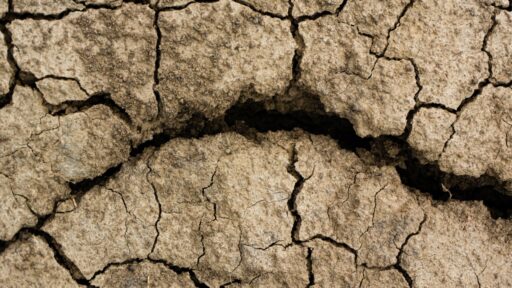
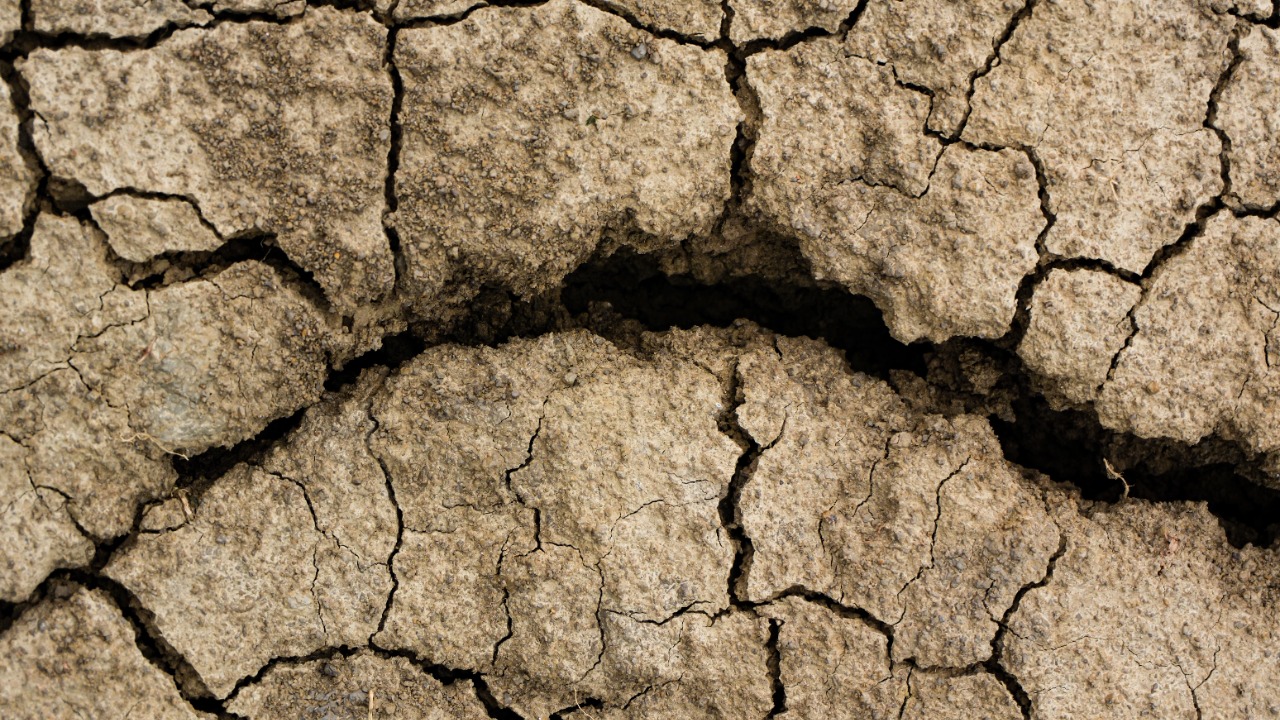

Large stretches of the American West are entering the hottest part of the year with soils already parched, rivers running low and wildfire risk rising fast. After a few wetter seasons that briefly eased concerns, severe and extreme drought have returned to many basins just as summer heat begins to lock in.
The pattern is uneven, but the direction is clear: water supplies are tightening again, from mountain snowpack to urban reservoirs, and the region is heading into late summer with far less margin for error than residents and planners enjoyed even a year or two ago.
What has shifted in Western drought conditions heading into peak summer
Across the West, the most striking change is how quickly conditions have flipped from relative relief back to stress. A series of strong winter storms rebuilt snowpack in some ranges, yet spring warmth and dry winds sped up melt and evaporation. That left rivers and reservoirs exposed just as irrigation demand increased and wildfire season began to ramp up.
Federal monitoring shows that large areas of the interior West now sit in categories labeled severe or extreme drought, with pockets of exceptional dryness in rain-shadowed valleys and low elevation rangeland. These labels reflect a combination of short soil moisture deficits and deeper groundwater and streamflow shortages, an indication that the region is dealing with both short term weather swings and long term water imbalance.
The pattern is not confined to the traditional dry belt. A recent federal drought status update for the Southeast highlighted how persistent warmth and below normal rainfall pushed parts of Alabama, Georgia and the Carolinas into similar categories. That eastern stress matters because it reduces the ability of national systems to shift food production or energy loads away from the West when conditions deteriorate.
Within Western states, the geography of this year’s drought is also shifting. Some high elevation watersheds that benefited from deep snow a few winters ago are now closer to normal, while lower basins that rely on steady spring and summer rain are slipping further behind. Ranchers in interior valleys report dried out pastures weeks earlier than usual, while forest managers are tracking fuel moisture levels that look more like late August than early summer.
Why a resurgent Western drought carries higher stakes this summer
Heading into the hottest weeks of the year, the return of widespread drought in the West matters for reasons that reach far beyond local discomfort. The region supplies a large share of the nation’s fruits, vegetables and nuts, and irrigation allocations are already tightening in some districts. When reservoirs start the season low, water managers have less flexibility to support both agriculture and urban users through a prolonged heat wave.
Hydropower is another pressure point. Major dams in the Colorado River and Columbia River systems depend on sustained inflows to generate electricity during peak demand periods. As inflows shrink, operators must balance power production with legal obligations to maintain minimum flows for downstream communities and ecosystems. That balancing act becomes more difficult when drought affects multiple basins at once, since importing power from neighboring regions is less reliable.
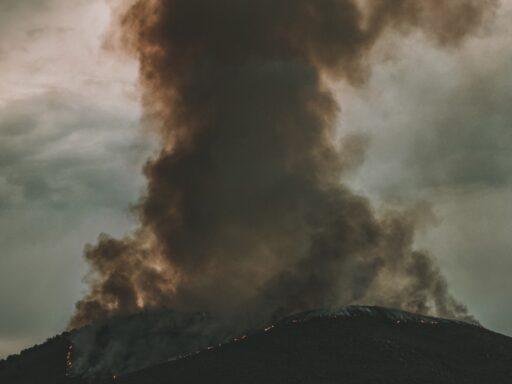
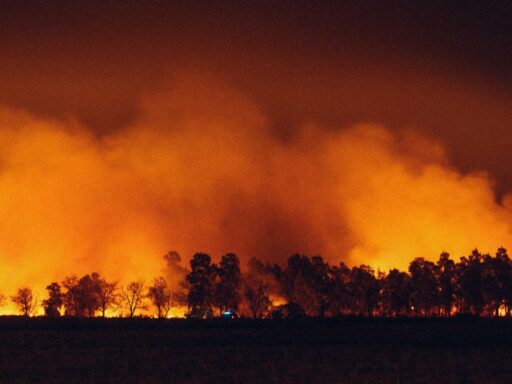
Wildfire risk is rising in tandem. Dry soils, stressed vegetation and earlier snowmelt create a longer window when forests and rangelands can ignite. Fire crews have already been prepositioned near vulnerable communities, and utilities are preparing for more frequent power shutoffs to reduce the chance that lines spark new blazes. Each large fire that does break out can damage watersheds, sending ash and debris into reservoirs that are already under strain.
The human stakes extend beyond the West. The Southeast update that flagged expanding dryness in states such as Georgia and South Carolina noted that soil moisture and streamflows had dropped enough to affect agriculture and water supply planning there. When both the West and parts of the Southeast face significant drought at the same time, the national system for moving food and energy around has less slack.
History shows how quickly such conditions can escalate. The United Kingdom’s 1976 drought became so severe that standpipes were installed in streets and households queued for basic supplies. The West is not at that point, but the example illustrates how, once reservoirs and aquifers are drawn down, even a return to normal rainfall may not be enough to restore security in a single season.
How climate patterns and long term warming are shaping this year’s dryness
The current Western drought does not exist in isolation. It sits on top of long term warming that has steadily increased evaporation from soils, lakes and reservoirs. Warmer air holds more moisture, which means storms must deliver more rain or snow just to keep conditions stable. When that extra moisture fails to materialize, deficits accumulate more quickly than they did in past decades.
Climate patterns in the Pacific also matter. Shifts between El Niño and La Niña influence where storms track during winter and spring. In recent years, those oscillations have sometimes reinforced the background warming signal, steering moisture away from key Western watersheds for multiple seasons in a row. The result is a tendency toward more frequent, more intense dry spells that strain water systems built for a cooler climate.
Urban growth has added another layer. Many Western cities have expanded rapidly, increasing demand for both drinking water and outdoor landscaping. Even where per capita use has fallen, total consumption can rise as populations grow. When a hot, dry summer arrives, utilities must manage higher peaks in water use at the same time that supplies are squeezed.
Rural communities face different, but equally serious, challenges. Domestic wells in parts of the interior West are drilled into shallow aquifers that respond quickly to drought. As groundwater levels drop, homeowners can face expensive deepening projects or outright loss of access. Agricultural regions that have relied on groundwater to buffer surface shortages are also confronting limits, as years of heavy pumping have already lowered water tables.
What Western communities and policymakers are likely to confront next
As summer heat intensifies, the first visible impacts of this drought cycle will likely be tighter water restrictions and more frequent wildfire smoke. Cities may expand outdoor watering limits, accelerate rebate programs for turf removal and push residents toward more efficient appliances. Some irrigation districts are already signaling reduced deliveries later in the season, which will force growers to prioritize higher value crops or leave some acreage fallow.
State and federal agencies are also preparing for emergency responses. Fire management budgets will be tested if multiple large incidents break out at once. Health departments are planning for compounding heat and smoke episodes that can send vulnerable residents to hospitals. In some regions, emergency drinking water deliveries may be needed for small systems that rely on a single stressed source.
Over the longer term, this renewed drought is likely to sharpen debates over how Western water is allocated. River compacts and reservoir operating rules that were written in a cooler, wetter era are under review as managers confront the reality that average flows are trending lower. Proposals that once seemed politically difficult, such as paying farmers to permanently retire some irrigated land or reusing treated wastewater for drinking supplies, are gaining more attention.
Communities that invest early in conservation and diversified supplies tend to fare better when dry years stack up. That can include measures such as groundwater recharge projects that capture stormwater when it does arrive, urban designs that reduce outdoor water demand and forest restoration work that lowers the risk of catastrophic fire in key watersheds. The current drought cycle gives Western leaders a narrow window to accelerate such efforts before conditions potentially worsen.