
Artificial intelligence is rapidly becoming one of the hungriest new loads on the grid, and the surge in electricity demand is arriving far faster than utilities expected. To keep data centers running without blackouts or a spike in fossil fuel use, governments and power companies are taking a fresh look at nuclear reactors that were once headed for retirement. The result is a quiet but significant shift in energy policy that links the future of home electricity bills to decisions about old nuclear plants.
Planners are no longer treating AI as a niche industrial load, but as a structural change in demand that affects every household. The race to secure reliable, low carbon power is already reshaping which plants stay open, which get life extensions, and how quickly new capacity must be built.
How AI’s power appetite is reshaping nuclear decisions
Large language models and other AI systems run on clusters of GPUs that draw power around the clock, and operators are now signing long term contracts that can lock in gigawatts of demand. Reporting on AI’s growing power notes that the load from data centers is beginning to rival heavy industry, forcing utilities to revisit earlier assumptions about flat or declining consumption. Residential customers may not see the racks of servers, but they feel the impact when local grids must be reinforced and new generation funded.
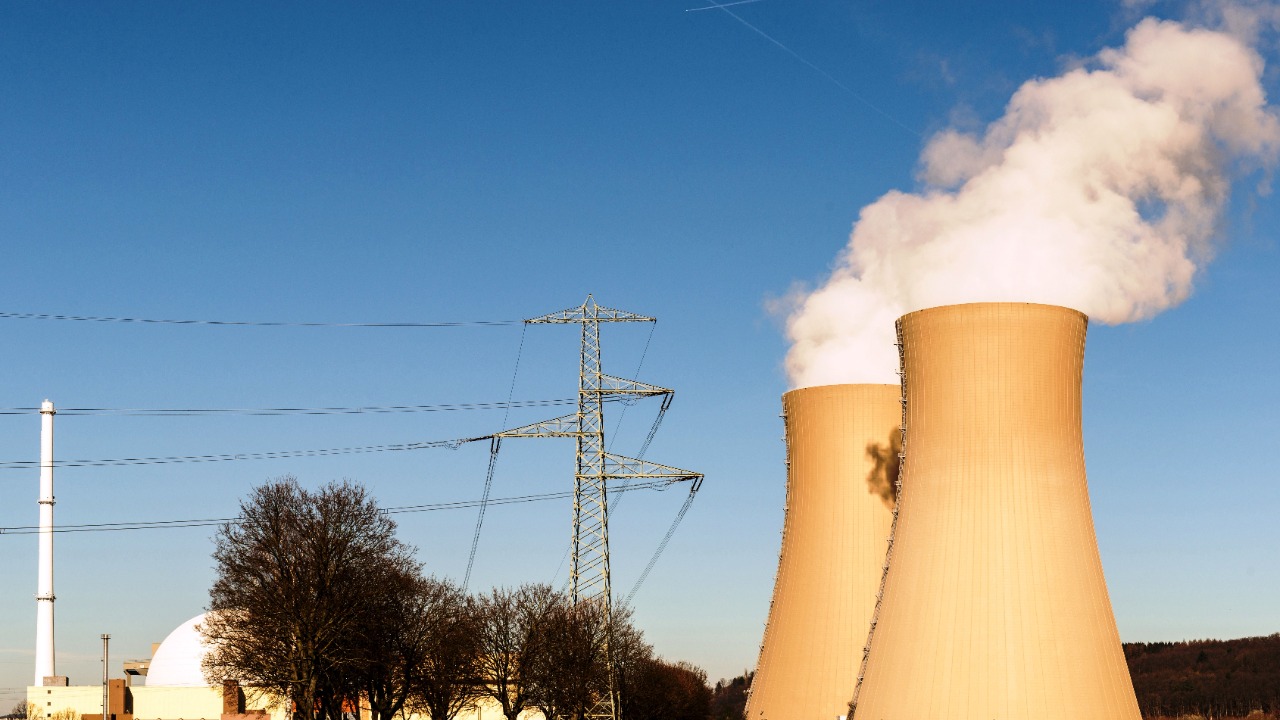
Against that backdrop, nuclear power has moved from an afterthought to a central option. Engineers and regulators are reconsidering plans to close older reactors that already sit on grid nodes with strong transmission links. A unit that might have been uneconomic in a low demand world can suddenly look valuable when AI campuses are willing to pay a premium for firm, carbon free electricity. Because the sunk costs of existing sites, from cooling systems to security perimeters, are already paid, life extension can be cheaper and faster than building entirely new plants.
Interviews with grid experts on nuclear power and highlight another factor that favors keeping reactors online. Data centers need power that does not sag during heat waves or calm wind periods, because outages can wipe out training runs that cost millions of dollars. Once refueled, nuclear units can operate at high capacity for long stretches, which makes them attractive anchors for regions that want to host AI clusters without leaning heavily on gas peakers.
The shift is not just about megawatts. It is also about timing. Extending the life of an existing reactor by ten or twenty years can be approved and implemented faster than greenfield projects that face lengthy permitting and construction risks. As AI companies compress their buildout schedules, they are pushing utilities toward options that can be delivered on similar timelines.
Why the revival of aging reactors matters for households
The revival of older nuclear capacity is often framed as a story about tech giants and climate targets, but the stakes for households are just as direct. When AI data centers soak up local capacity, regulators must decide whether to authorize new generation, upgrade transmission, or restrict new industrial connections. If the cheapest short term answer is to burn more gas, residents can end up exposed to volatile fuel prices and higher emissions.
Energy analysts warn that relying on combined cycle gas turbines as a flexible backstop comes with its own hazards. A detailed review of CCGT retirement risk describes how older gas units face economic pressure from carbon costs and competition from renewables, which can lead to abrupt closures if market signals turn. Should those plants exit just as AI demand accelerates, grids that lack nuclear or other firm low carbon capacity could face capacity shortfalls, which in turn threaten reliability for residential customers.
Keeping nuclear plants in service can help buffer that risk. A reactor that continues to operate at a stable output reduces the volume of gas generation needed to meet base demand, leaving more flexible capacity to manage peaks. For households, that can translate into fewer price spikes during extreme weather, since the system is not scrambling to procure fuel at the last minute. It also helps governments stay on track with emissions goals without asking consumers to cut usage.
There is a political dimension as well. Communities that live near nuclear plants often depend on them for jobs and local tax revenue. When AI demand creates a new economic rationale for those reactors, local leaders can argue that life extensions support both national energy security and regional employment. Yet residents who remain skeptical about nuclear safety may worry that the AI boom is being used to override earlier commitments to phase out reactors.
International examples show how closely these questions are tied to household reliability. In Taiwan, where semiconductor fabrication and AI infrastructure are expanding rapidly, officials are already debating whether the grid can keep up. Reporting on powering AI in describes how rising industrial demand is straining a system that also has to serve dense urban neighborhoods and rural communities. The choices Taiwan makes about nuclear capacity and other firm resources will determine whether rolling blackouts become a recurring feature of life or a rare emergency.
Next steps for nuclear, grids, and AI developers
The next phase of this story will be defined by how quickly policymakers can align AI growth plans with realistic energy strategies. Several trends are already visible. Regulators are tightening the link between data center permits and secured power supplies. In some regions, AI developers must now demonstrate that they have long term contracts with low carbon generators, including nuclear units, before they can break ground. This shifts some of the planning burden from grid operators to the companies driving demand.
Life extension programs for older reactors are also being paired with new technologies that can make nuclear output more flexible. While traditional units have operated as steady baseload, operators are experimenting with load following modes that adjust output to complement solar and wind. If these approaches scale, they could allow nuclear plants to support AI clusters without crowding out renewables that serve households and small businesses.
Governments are additionally starting to treat transmission as strategic infrastructure for the AI era. Revived nuclear plants only help if their output can reach the places where demand is growing. That means new high voltage lines from coastal or rural sites to emerging AI hubs, and more sophisticated grid management software that can prioritize critical loads without sacrificing residential reliability.
For AI companies, the message is that energy strategy is now a core part of business planning, not an afterthought. Firms that commit early to power purchase agreements with existing nuclear stations can lock in predictable costs and avoid public backlash over perceived strain on local grids. Those that delay may find themselves competing for scarce capacity or pushed toward regions that still have surplus generation, even if those are less attractive from a talent or logistics perspective.
Households and consumer advocates, meanwhile, have a stake in how the benefits of this new demand are shared. If AI-driven revenue helps fund grid upgrades, extend the life of low carbon plants, and accelerate renewable buildout, residents can gain a more resilient system without bearing all the costs. If, instead, utilities socialize the infrastructure expenses while data centers capture most of the upside, public support for both nuclear life extensions and AI expansion could erode.
Ultimately, the revival of aging nuclear plants in response to AI’s power needs is a test of long term planning. It forces governments to reconcile climate goals, industrial policy, and consumer protection in a single set of decisions about which plants stay open and for how long. The outcome will shape not only where AI models are trained, but also how reliably lights, refrigerators, and heat pumps operate in ordinary homes.