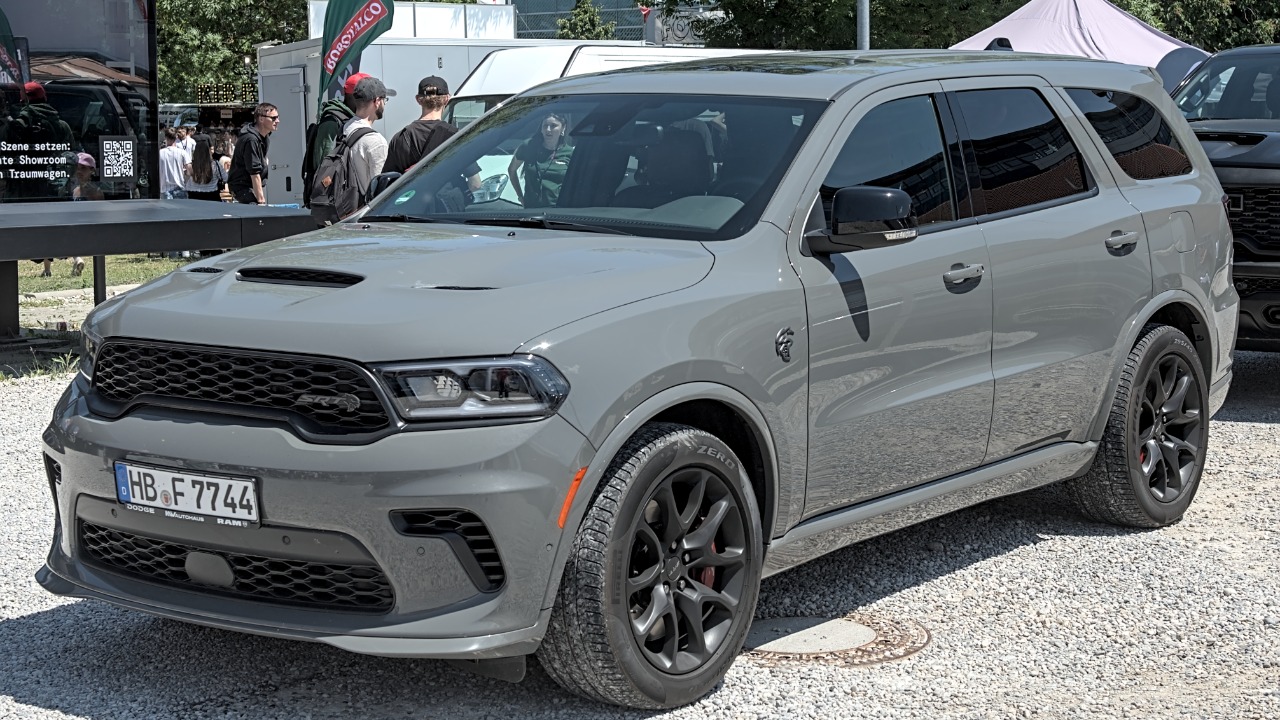

Chrysler is recalling about 211,000 Dodge Durango SUVs and Ram pickup trucks in the United States because a software problem can quietly switch off a key braking safety feature. The defect affects the electronic stability control system, a technology that helps drivers maintain control when a vehicle starts to skid or slip. Owners are being told to watch for warning lights and prepare for dealer visits to get updated software at no cost.
The recall underscores how a single programming error inside modern vehicles can undermine critical safety systems without any mechanical failure. It also raises fresh questions about software quality control in trucks and SUVs that are often used to tow heavy loads or carry families.
Details of the new Durango and Ram braking recall
The recall covers an estimated 211,581 vehicles, including certain 2022 Dodge Durango SUVs and 2022 Ram 2500 and Ram 3500 pickup trucks. According to recall documents, the problem lies in the anti-lock braking system control module software, which can disable the electronic stability control function under specific conditions. The affected vehicles were built with software that can mistakenly shut off stability control after the system detects a particular internal fault, instead of keeping the feature active or going into a safe mode.
Electronic stability control, often abbreviated as ESC, works with wheel-speed sensors and the anti-lock braking system to detect when a vehicle is starting to lose traction. When that happens, the system can automatically apply brakes to individual wheels and reduce engine power to help keep the vehicle on its intended path. In the recalled Durango and Ram models, the software malfunction can lead to ESC being turned off without the driver intentionally disabling it, which increases the risk of a crash, especially on slippery roads or during sudden maneuvers.
Chrysler, which is part of Stellantis, told regulators that drivers may see an ESC warning light illuminate on the instrument panel if the system has been switched off by the fault. Owners who notice the warning are being advised to contact dealers for inspection and repair. The fix involves reprogramming the anti-lock brake system control module with updated software that prevents the unintended deactivation of stability control.
Dealers are expected to perform the software update free of charge. The company has said that it is not aware of any crashes or injuries directly linked to the issue at the time of the recall filing, although the risk is significant enough that it triggered a nationwide campaign. In recall filings summarized in one report, Chrysler explained that the defect was uncovered during internal testing and field data analysis, which showed that ESC could be lost unexpectedly in the affected trucks and SUVs.
How this recall differs from earlier stability control issues
This is not the first time Chrysler has had to address stability control problems in Durango and Ram vehicles. Earlier safety campaigns have also involved ESC, but they centered on different causes and slightly different sets of vehicles. In one previous case, the company recalled certain 2022 Dodge Durango and Ram 2500 models because a separate software issue could prevent the electronic stability control warning light from turning on when the system was disabled. That earlier recall meant drivers might not realize the safety feature was unavailable, even though the underlying hardware was still functioning.
The new campaign is more serious in one respect, because the software in the anti-lock braking module can actually turn off the stability control function itself. In the earlier recall, the main concern was that the light on the dashboard did not correctly alert drivers to a loss of ESC. Now, the problem is that ESC can be switched off by the module, which directly removes a layer of electronic assistance that federal rules require on modern passenger vehicles. Both situations involve software, but they affect different parts of the stability control chain.
Automotive safety analysts note that the cluster of ESC-related recalls points to how complex brake and stability systems have become. What used to be a purely mechanical braking setup is now a network of sensors, control modules and software routines. A coding error in a module can have the same real-world effect as a broken mechanical part, yet it can be harder to detect until enough data accumulates from the field. The fact that Chrysler has now issued multiple campaigns around 2022 Durango and Ram models suggests the company is still refining the software logic that governs these safety systems.
Regulators have long treated ESC as a foundational safety technology, and the federal mandate for stability control on light vehicles has been in place for several years. Any defect that impairs ESC performance draws close scrutiny. In this case, Chrysler has been required to outline how it discovered the problem, how many vehicles are involved and what steps it is taking to correct the software, as described in recall summaries cited in technical reports.
Why the braking software problem raises safety stakes now
The timing and scope of the recall matter because the affected vehicles are relatively new and still under factory or extended warranties, and many are used for towing, hauling or family transport. The recall covers tens of thousands of Ram 2500 and Ram 3500 trucks that can be configured to pull heavy trailers. Losing electronic stability control in those situations can make it harder to correct a slide or sway, particularly in bad weather or on uneven roads.
Safety experts point out that drivers often rely on ESC without realizing it. The system works quietly in the background and only intervenes when sensors detect trouble. If the feature is disabled by a software fault, drivers may have no immediate indication other than a small warning light. That creates a gap between driver expectations and the actual safety net available in an emergency. Reports on the recall have emphasized that the risk of a crash increases when ESC is unavailable, even if the anti-lock brakes themselves continue to function normally.
Chrysler has told regulators that it will notify owners by mail and that dealers will update the software to restore full ESC protection. According to recall coverage, the company has said it is aware of at least one customer assistance record related to the issue, but no confirmed crashes or injuries. The campaign underscores how automakers now rely on over-the-air style software updates performed at dealerships to fix safety problems that would once have required replacing physical components.
Consumer advocates say the recall also illustrates the importance of paying attention to dashboard warnings and manufacturer notices. A driver who ignores an ESC light might continue operating a vehicle that has lost a key safety feature. In this case, the fix is relatively straightforward, yet it still requires owners to schedule a dealer visit and set aside time for the software update. Coverage of the recall has stressed that the repair will be performed free of charge, which is standard for safety campaigns, but it does not compensate for any inconvenience or lost time.
Regional outlets have highlighted that the recall affects drivers across multiple states, including those where winter weather and mountain driving make stability control especially valuable. One report aimed at Colorado drivers noted that the software malfunction could disable ESC in Ram pickups and Durango SUVs, increasing crash risk on icy or steep roads, and urged owners to respond promptly to recall notices, as described in a summary from Colorado coverage.
What owners should expect and how Chrysler may respond
Owners of affected Dodge Durango and Ram trucks can expect to receive recall letters that explain the defect, outline the symptoms and instruct them to schedule a service appointment. Dealers will connect the vehicles to diagnostic equipment and install updated software on the anti-lock braking system control module. The actual programming process is typically quick, although wait times may depend on dealer capacity and how many owners respond at once.