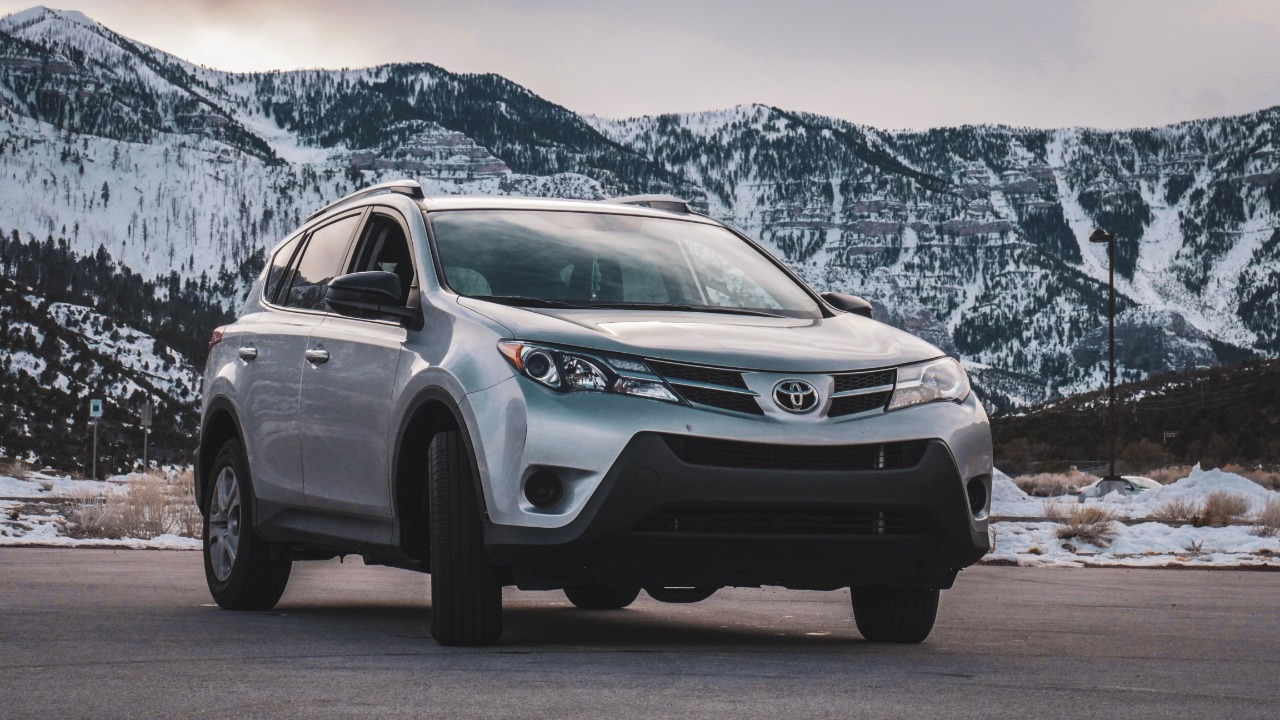

Families who keep vehicles well past 100,000 miles know the real costs show up long after the factory warranty ends. Repair bills, downtime, and surprise failures can turn a seemingly good deal into an expensive headache, which is why a handful of family SUVs stand out for staying reliable deep into six-figure mileage.
Based on long-term reliability data and owner experiences, several three-row and two-row models consistently surface as the safest bets for low repair costs once the odometer rolls into six digits.
How the list of low-cost family SUVs has shifted
Ten years ago, the conversation about long-term SUV reliability was dominated by a few Japanese nameplates. That core still holds, but recent reliability rankings for three-row models show a broader mix of brands sharing top spots. Models such as the Toyota Highlander, Toyota 4Runner, Honda Pilot, Kia Telluride, Hyundai Palisade, Mazda CX-9, Subaru Ascent, and Chevrolet Traverse now appear together in lists of the most reliable 3-row, reflecting a more competitive field.
The Highlander and 4Runner earned their reputations through conservative engineering and a track record of owners pushing past 200,000 miles with relatively few major repairs. Their long-term reliability scores tend to stay above segment averages, which translates directly into fewer high-cost failures as vehicles age. The Honda Pilot, which shares a reputation for durable V6 powertrains and straightforward automatic transmissions, has followed a similar path, with many high-mileage examples still in daily family duty.
Newer entries on this list show how quickly the segment has evolved. The Kia Telluride and Hyundai Palisade arrived with modern V6 engines, eight-speed automatics, and extensive safety tech, yet early reliability data and owner surveys already place them near the top of three-row rankings. That suggests the brands have learned from earlier quality issues and are engineering these SUVs with long-term ownership in mind.
Mazda’s CX-9 and Subaru’s Ascent illustrate another shift. Both target families who want better driving dynamics and standard all-wheel drive capability, yet they still score well on predicted reliability. The CX-9’s turbocharged four-cylinder and the Ascent’s turbo flat-four could have been risk factors, but so far they have not produced widespread high-mileage failure patterns in the way some older turbo engines did.
Chevrolet’s Traverse rounds out the group as a reminder that domestic brands can compete on long-term durability when they avoid overcomplex engineering. Its naturally aspirated V6 and relatively simple drivetrain have helped it deliver solid reliability scores, particularly in later model years after early bugs were addressed.
Why repair-friendly SUVs matter more for families right now
New-vehicle prices and financing costs have climbed to levels that push many families to keep SUVs longer than they might have a decade ago. When a three-row model now often costs as much as a starter home did in some regions not long ago, stretching ownership beyond 100,000 miles is less a preference and more a financial necessity. In that context, the difference between an SUV that needs only routine maintenance and one that demands a $3,000 transmission at 120,000 miles becomes a budget-defining issue.
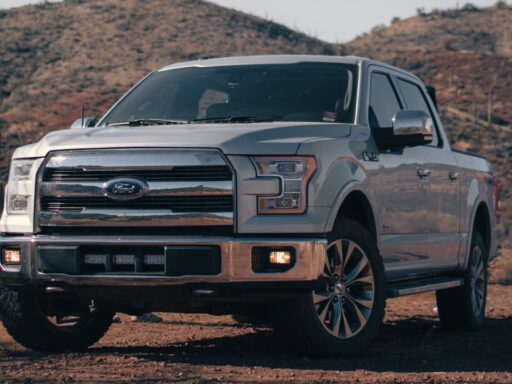
Family SUVs also tend to live harder lives than commuter sedans. Carpools, road trips, towing pop-up campers, and constant stop-and-go school traffic all stress cooling systems, brakes, and transmissions. Vehicles such as the Toyota 4Runner, which is built on a truck-based frame with a reputation for durability under off-road use, often shrug off that punishment better than lighter-duty crossovers. The Highlander and Pilot, while unibody crossovers, have long histories of handling loaded cabins and regular towing without chronic drivetrain failures.
For families that rely on a single vehicle, downtime can be as disruptive as the bill itself. An SUV that is more likely to need only predictable wear items after 100,000 miles reduces the risk of being stranded or scrambling for rental cars. Models like the Telluride and Palisade have earned early praise for low unscheduled repair visits in their first ownership cycles, which bodes well for cost control as those vehicles age into second and third owners.
There is also a safety angle. Some of the SUVs that keep repair bills low are the same ones that maintain strong safety ratings and advanced driver assistance features across multiple model years. The Subaru Ascent, for instance, pairs standard all-wheel drive with a suite of driver aids that remains competitive even as the vehicle ages. A family that can afford to keep a well-equipped, safe SUV on the road longer because it does not eat the repair budget gains both financial and safety benefits.
Resale value ties into the equation as well. High-mileage SUVs with strong reliability reputations, such as the Highlander, 4Runner, and Telluride, often command higher prices on the used market. That reflects buyer confidence that these vehicles will continue to run without major issues beyond 100,000 miles. For current owners, that means more equity to roll into the next family vehicle or the option to sell rather than repair if a large bill does appear.
Eight standout SUVs that keep repair bills in check
Looking across long-term reliability data, owner reports, and powertrain design, eight family SUVs consistently emerge as smart bets for low repair costs after 100,000 miles.
- Toyota Highlander. A staple of three-row family garages, the Highlander combines a history of durable V6 and hybrid powertrains with relatively simple automatic transmissions. Owners frequently report crossing 150,000 miles with little more than brakes, tires, and fluid services, which helps keep total ownership costs predictable.
- Toyota 4Runner. Built on a body-on-frame platform with a naturally aspirated V6, the 4Runner is engineered for off-road abuse and heavy use. That overbuilt nature often translates into low failure rates in everyday family driving, even when the odometer climbs well past 200,000 miles.
- Honda Pilot. The Pilot’s long-running V6 and refined unibody chassis make it a favorite for large families. While some older generations had transmission concerns, later models have shown improved durability, and many high-mileage examples continue to serve as primary family haulers without major drivetrain work.
- Kia Telluride. Despite being a newer entry, the Telluride has quickly built a reputation for solid reliability, with few reports of serious powertrain issues in its early years on the road. Its naturally aspirated V6 and conventional automatic transmission are both proven technologies, which reduces the risk of costly surprises as the miles add up.
- Hyundai Palisade. Sharing its basic mechanicals with the Telluride, the Palisade offers similar long-term promise. Early reliability data points to low rates of unscheduled repairs, and its drivetrain layout favors durability over experimental technology.
- Mazda CX-9. The CX-9 stands out for combining engaging handling with solid reliability. Its turbocharged four-cylinder has not generated widespread high-mileage complaints so far, and owners often praise the SUV for feeling tight and refined even as it ages.
- Subaru Ascent. Standard all-wheel drive and a focus on safety make the Ascent a popular choice in snowy regions. The turbo flat-four and continuously variable transmission raised some early questions, but reliability scores have remained competitive, suggesting that catastrophic failures are not common as mileage climbs.
- Chevrolet Traverse. The Traverse shows how a straightforward V6 and conventional automatic can yield dependable service. Later model years in particular have benefited from incremental quality improvements, and many families report relatively trouble-free ownership beyond 100,000 miles.
These eight models share a few traits that help contain repair costs. They rely on proven engine designs, avoid overly complex dual-clutch or experimental transmissions, and come from brands that have invested heavily in quality control. That combination gives them a better chance of reaching high mileage with only routine maintenance and the occasional midlife repair.
What buyers should watch for in the next generation of family SUVs
The next wave of family SUVs will test whether automakers can maintain low repair costs while adding more electrification and software-driven features. Hybrid versions of the Highlander and other three-row models already show that it is possible to combine efficiency with durability, although battery and inverter longevity will become more important as these vehicles age into six-figure mileage.