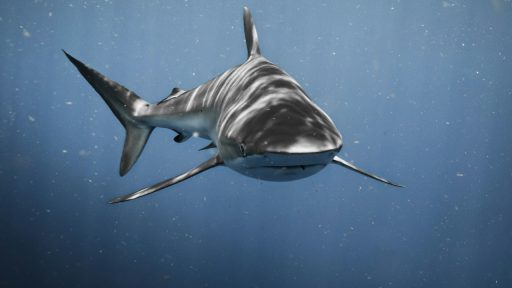
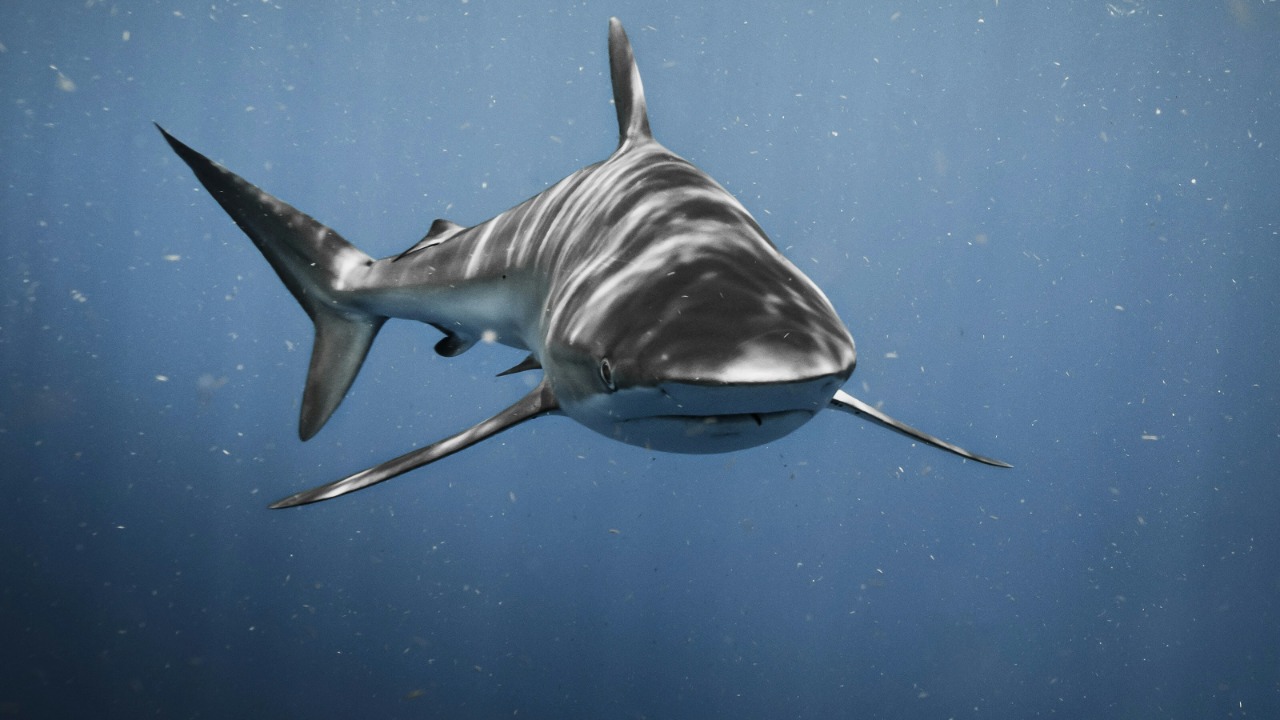

Off the coast of South Africa, a lone killer whale was filmed killing a great white shark in roughly two minutes, ripping out its nutrient-rich liver with startling precision. The attack, which targeted a shark estimated at around 15 feet in length, has stunned marine biologists who long assumed such hunts required coordinated pods of orcas.
The footage adds a new chapter to a fast-changing story in South African waters, where great whites have been vanishing from once-reliable hotspots while orcas move in. It captures a rare moment when the ocean’s top predators collide and suggests that a single, highly skilled whale can reshape an entire coastal ecosystem.
New evidence of a lone orca mastering shark-killing tactics
For years, scientists documented pairs or small groups of killer whales hunting great whites off South Africa, with individuals nicknamed Port and Starboard becoming infamous for leaving shark carcasses missing their livers. Those earlier attacks involved coordinated strikes, with multiple orcas helping to immobilize large sharks before surgically removing the organs, according to detailed field reports on shark predation.
This new observation breaks that pattern. In the recent incident, a single orca was recorded pursuing a great white, flipping the shark and then disemboweling it with apparent ease. Video analysis and eyewitness accounts describe the attack as lasting around two minutes from first contact to the moment the whale surfaced with the liver in its mouth, a speed that highlights how refined this technique has become.
Researchers say the shark measured about 15 feet, a size that would usually make it a formidable opponent for any lone predator. Yet the killer whale showed none of the hesitancy expected in a one-on-one encounter. Instead, it appeared to apply a practiced method: approach from below or behind, induce tonic immobility by rolling the shark, then target the soft tissue around the pectoral region to reach the liver. That sequence mirrors what has been documented in multi-orca hunts, suggesting the behavior can be learned and then executed solo.
Witnesses described the water turning red as the whale tore into the shark, a detail echoed in separate accounts of a giant 15ft great found with its body opened and organs removed. In both cases, the precision of the injuries points to a focused goal rather than a chaotic struggle, with the liver targeted for its high fat content.
How this hunt differs from earlier orca and great white encounters
Previous high-profile clashes between orcas and great whites in South Africa involved multiple whales working together, often over extended periods. In some documented events, several sharks were killed in a single day, with carcasses washing ashore minus their livers, hearts, or testicles. Those scenes helped establish the idea that group coordination was essential for taking down such large, powerful fish, an interpretation supported by early analyses of shark-killing footage.
The recent two-minute takedown challenges that assumption. Rather than a pod circling and harassing the shark, only one orca was seen closing in, delivering the critical maneuver, and then feeding. That shift from team strategy to solo operation suggests a level of individual specialization more commonly associated with apex predators that hunt mammals, such as leopard seals or big cats.
Accounts of the event describe the shark attempting evasive turns before being rolled onto its back. Once inverted, great whites can enter a trance-like state, known as tonic immobility, which leaves them vulnerable. The orca appeared to exploit this reflex, holding the shark in position long enough to open the body cavity. Observers compared the speed of the disembowelment to previous cases where multiple whales needed longer to subdue and process their prey, a contrast echoed in reports of a giant predator ripping in South African waters.
Marine biologists now see this as evidence that at least some killer whales have become shark specialists, capable of transferring complex techniques across contexts. The behavior may have started as a cooperative strategy and then been refined by particularly adept individuals who can execute it alone, raising questions about how quickly such tactics can spread through regional orca populations.
Why a two-minute kill reshapes the balance off South Africa
Great white sharks have long held a near-mythic status along South Africa’s coast, especially around sites like False Bay and Gansbaai where cage-diving tourism grew around reliable sightings. Over recent years, however, those sightings have plummeted, with operators reporting empty trips and scientists documenting a marked decline in local shark presence that coincided with the arrival of orcas known to target livers.
The new footage of a lone killer whale efficiently dispatching a large great white suggests that the pressure on local shark populations may be even greater than previously understood. If a single individual can remove a mature shark from the ecosystem in minutes, and if that behavior is shared or copied, the cumulative effect could be rapid. Researchers tracking regional trends have already linked orca activity to shifts in shark distribution, with some evidence that great whites are abandoning traditional hotspots to avoid predation, a pattern explored in studies of how sharks flee from.
The ecological implications reach beyond the two species involved. Great whites help regulate populations of seals and other prey, and their absence can trigger cascading changes through the food web. Seal numbers can rise, which may increase pressure on fish stocks and alter competition with other predators. At the same time, orcas that specialize in shark livers may shift their focus away from other prey, redistributing risk across the ecosystem.
The economic stakes are also significant. Towns that built businesses around shark tourism now face unpredictable seasons, with operators forced to search further afield or pivot to other wildlife. The spectacle of a killer whale tearing apart a great white may draw global attention, but for local communities it is part of a longer story of changing seas and uncertain livelihoods.
Scientists are particularly concerned about how targeted organ removal affects shark demographics. Mature females carry the most reproductive potential, and if they are disproportionately selected because of their size and fat-rich livers, recovery could be slow even if hunting pressure eventually eases. Comparable cases, such as reports of a great white killed in another region, suggest that this is not an isolated behavior confined to a single coastline.
What researchers expect from future orca and shark encounters
Marine scientists now see South Africa as a live laboratory for predator innovation. The two-minute kill has prompted calls for more intensive tracking of individual orcas, using tags and photo identification to determine how widespread shark-specialist behavior has become. Teams that previously focused on counting sharks are now equally interested in cataloging the whales that hunt them, an effort reflected in new field campaigns around killer whale attacks on great whites.
Future work is likely to concentrate on three questions. First, how many orcas in the region have mastered the liver-targeting technique, and whether they are related or part of the same social group. Second, how quickly this knowledge spreads through cultural transmission, especially among juveniles that may observe successful hunts. Third, what thresholds in shark abundance or behavior trigger shifts in orca diet, and whether a decline in great whites could eventually push the whales to focus on other large predators or marine mammals.
Researchers are also refining acoustic and drone-based monitoring to capture more encounters from start to finish. The goal is to build a detailed library of hunt sequences, from first detection to final feeding, which can clarify how often sharks manage to escape and whether certain tactics give them a better chance. Some teams hope that long-term tracking will reveal whether great whites can adapt by altering migration routes, changing depth preferences, or modifying how they patrol seal colonies.