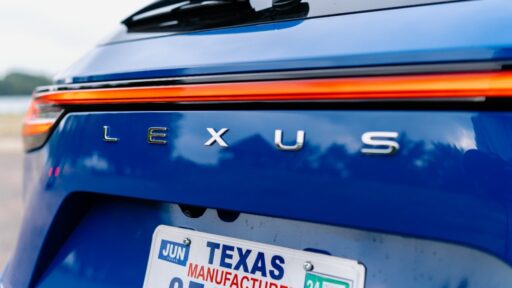
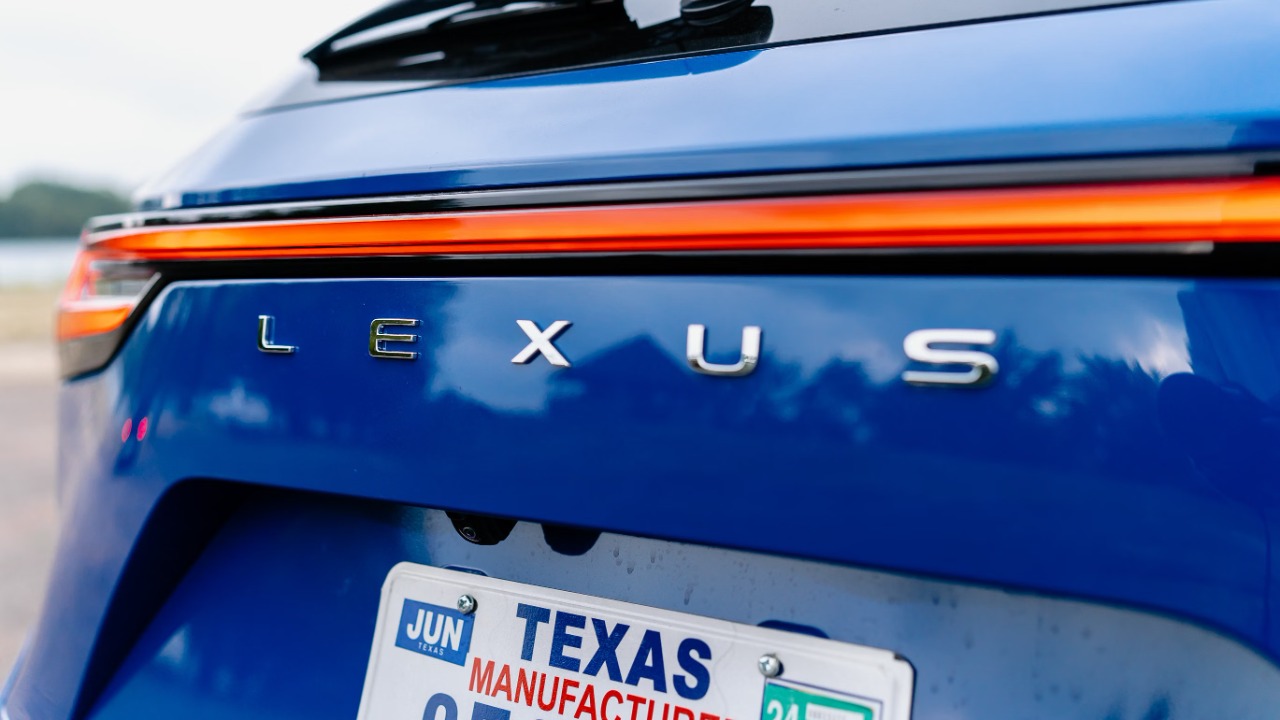

The 2026 Lexus ES 500e proves that an electric luxury sedan does not need extreme acceleration, an overwhelming digital dashboard or a six-figure price to feel special. Instead, it applies battery power to the qualities that have traditionally defined the ES: quietness, comfort, spaciousness and a low-stress driving experience.
That formula works surprisingly well. The dual-motor ES 500e delivers smooth all-wheel-drive performance, a genuinely premium cabin and enough range for normal commuting and regional travel. It also starts at a competitive $51,895, including destination, placing it below several established European electric luxury sedans.
Its weakness is equally clear. A maximum DC charging rate of 150 kW feels conservative in a market where similarly positioned electric cars are moving beyond 200 kW. The Lexus may be one of the most relaxing new EVs to drive, but it is not among the fastest to recharge.
The ES Has Become a Much More Ambitious Sedan
The eighth-generation ES is substantially larger than the model it replaces. Lexus increased its overall length by 6.5 inches, widened it by 2.2 inches and extended the wheelbase by 3.1 inches. The car is also 4.5 inches taller, giving it an unusually upright profile that sits somewhere between a conventional sedan and a low-slung crossover.
That growth reflects the ES’s changing role within Lexus. With the LS no longer occupying the top of the brand’s American sedan range, the ES must now provide more rear-seat space, greater visual presence and a stronger sense of luxury than before. Early evaluations describe the redesigned model as considerably roomier, particularly for rear passengers.
The exterior follows Lexus’s “Clean Tech x Elegance” design direction. A largely closed front section distinguishes the electric versions from the ES 350h hybrid, while sharp daytime running lights, a rising shoulder line and a full-width rear light create a more futuristic appearance. The proportions will not appeal to everyone, but the ES 500e looks more distinctive and expensive than its relatively accessible price might suggest.
Electric Power Fits the Lexus Personality
The ES 500e combines a 221-horsepower front motor with a 118-horsepower rear motor, producing 338 horsepower in total. Lexus’s DIRECT4 all-wheel-drive system can continuously adjust power distribution between the front and rear axles, depending on acceleration, steering input and available traction. Lexus estimates a 5.1-second sprint from zero to 60 mph.
That figure is quick enough for easy motorway merging and confident overtaking, but the ES 500e does not attempt to deliver the violent acceleration associated with some performance-focused EVs. Power arrives progressively, and the vehicle appears more interested in keeping passengers comfortable than making them brace against their headrests.
That approach suits the ES. The Engadget first-drive review found that the car felt best in its normal setting, where its quiet powertrain and relaxed responses supported a calm driving style. Sport mode adds heavier steering and artificial powertrain sound, but it does not transform the car into a genuine sports sedan.
The battery’s low placement also helps the electric ES feel more settled through corners than the hybrid, despite the additional weight. The steering is accurate rather than communicative, and the suspension prioritises isolation instead of agility. Larger bumps can reveal the considerable mass of a vehicle that approaches 5,000 pounds in its heaviest configuration, but most road surfaces are handled with the composure expected from a Lexus.
The Cabin Is the Strongest Reason to Choose It
Inside, the ES 500e makes a more convincing luxury argument than many electric cars at a similar price.
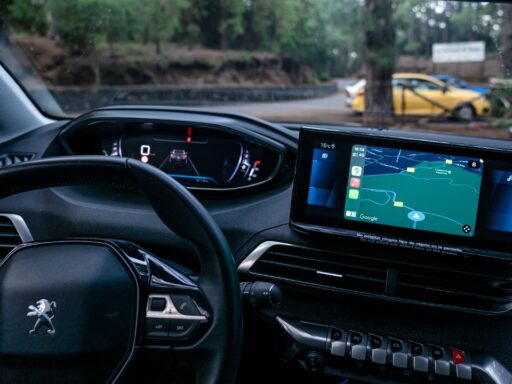
The cabin uses a cleaner layout than the previous ES, combining a standard 12.3-inch digital instrument display with a 14-inch central touchscreen. Wireless Apple CarPlay and Android Auto are included, and navigation information from a connected phone can appear within the driver display.
Lexus has reduced the number of traditional buttons, but it has not removed every physical interaction. Backlit climate controls are integrated into a soft-touch dashboard panel, while a central roller provides an easier way to adjust audio volume than relying entirely on the touchscreen. Some functions are less conveniently placed, however. Changing the driving mode requires navigating through multiple infotainment menus, an unnecessary complication for a frequently used control.
Material quality gives the ES an advantage over more minimalist EV interiors. Premium models receive NuLuxe synthetic upholstery and textured trim, while Luxury versions add semi-aniline leather, bamboo surfaces and illuminated decorative panels. First-drive reports praised the warmth and detail of the cabin, particularly compared with electric vehicles that depend heavily on plain dashboards and large central screens.
Luxury models also receive a 17-speaker, 1,800-watt Mark Levinson audio system, replacing the more ordinary 10-speaker setup fitted to the Premium grade. Soft-close doors, additional driver-assistance features and upgraded interior finishes help justify the higher $60,295 starting price of the ES 500e Luxury.
Range Is Acceptable Rather Than Exceptional
Both electric ES models use a 74.7-kWh lithium-ion battery. The front-wheel-drive ES 350e is the efficiency-focused choice, offering an EPA-estimated 307 miles with its standard 19-inch wheels.
The more powerful all-wheel-drive ES 500e achieves an EPA-estimated 276 miles on 19-inch wheels. Selecting the optional 21-inch wheels reduces that figure slightly to 272 miles.
Those numbers should cover several days of commuting for many owners, particularly when the car can be charged at home. They are less impressive for drivers regularly completing long motorway journeys. Newer competitors are beginning to combine longer range with considerably faster charging, making the Lexus’s 276-mile maximum appear merely adequate.
Real-world efficiency may be better than expected under favourable conditions. During Engadget’s initial drive, the ES 500e displayed an average of 3.8 miles per kilowatt-hour despite several acceleration runs and motorway driving. Applied to the battery’s stated capacity, that rate would theoretically produce approximately 284 miles—slightly above the official rating for a car equipped with 21-inch wheels. A brief first drive cannot replace a controlled range test, but the result suggests the official estimate may be realistic.
Charging Technology Is the Biggest Compromise
The ES 500e can accept a maximum DC fast-charging rate of 150 kW. Under ideal conditions, Lexus says charging from 10% to 80% should require approximately 28 minutes. Its 11-kW onboard AC charger can complete a Level 2 session in about seven hours.
A 28-minute stop is not disastrous. It becomes a problem mainly when the ES is compared with newer electric luxury cars capable of receiving energy much faster. The BMW i5, for example, supports up to 205 kW, while several 800-volt models can reach approximately 270 kW or more.
Peak charging power does not tell the entire story because battery temperature, charger performance and the vehicle’s charging curve determine the actual time required. Nevertheless, 150 kW provides less flexibility during short road-trip stops and leaves limited technological headroom as competing EVs improve.
The ES includes battery preconditioning, which can prepare the pack before arriving at a public charger. It also uses a native North American Charging System port and comes with an adapter for compatible CCS charging equipment. These features make charging easier to access, but they cannot compensate completely for the modest maximum rate.
Regenerative Braking Misses an Opportunity
The electric ES provides adjustable regenerative-braking levels and a coasting setting. Its blended braking system has received positive early impressions for delivering predictable stopping performance.
However, it lacks a full one-pedal driving mode capable of bringing the vehicle to a complete stop through regenerative deceleration alone. For drivers accustomed to controlling most urban acceleration and braking with a single pedal, that omission makes the ES feel less advanced than several mainstream EVs.
This may not concern traditional Lexus owners moving from a petrol or hybrid sedan. The braking behaviour feels familiar, which could make the transition to electric driving easier. Experienced EV owners, however, may view the absence of strong one-pedal operation as another sign that Lexus remains cautious about embracing dedicated electric-car conventions.
Pricing Could Make the Weaknesses Easier to Accept
The ES 500e Premium starts at $51,895, while the better-equipped Luxury version begins at $60,295. Those prices include Lexus’s stated $1,395 delivery, processing and handling charge.
More surprisingly, the entry-level ES 350e costs $48,895, making it cheaper than the ES 350h hybrid, which begins at $51,095. Buyers who do not require all-wheel drive or stronger acceleration may find the 350e more compelling because it offers greater range at a lower price.
The ES 500e still makes sense for customers wanting additional traction and performance without entering the significantly more expensive end of the electric luxury market. Its standard equipment, cabin quality and refinement provide value that cannot be measured only through battery capacity or charging speed.
Early Verdict: An Excellent Lexus, but Only an Average EV
The 2026 Lexus ES 500e succeeds because it remains focused on what Lexus already understands.
It is quiet, comfortable, spacious and reassuringly easy to drive. The electric powertrain strengthens those characteristics by eliminating engine vibration and delivering smooth, immediate acceleration. Its interior feels carefully designed rather than stripped back for the sake of appearing futuristic, and its pricing makes premium electric motoring more accessible.
As an EV, however, the ES 500e is less convincing. Its 276-mile maximum range is respectable but not exceptional, while the 150-kW charging ceiling already appears dated. The lack of full one-pedal driving further reinforces the impression that Lexus has placed an effective electric powertrain inside a traditional luxury-sedan philosophy rather than creating a technological benchmark.
For commuters with reliable home charging, those limitations may rarely matter. Such owners will experience the ES 500e at its best: silently covering daily journeys in a calm, beautifully finished cabin.
Frequent long-distance drivers will feel the compromise more clearly. The Lexus can make a road trip comfortable, but its slower charging means it may not make that journey as efficiently as newer rivals.
The ES 500e is therefore not the most advanced electric sedan of 2026. It may still be one of the easiest to enjoy.