
The twin earthquakes that rattled northern Venezuela stunned residents not only with their force but with their timing. The first shock was powerful, yet the second, arriving in under a minute, released even more energy and turned a frightening event into a national disaster. That pattern, a larger follow-up jolt almost on the heels of the first, is now at the center of both scientific scrutiny and an urgent debate over how prepared the country is for complex seismic threats.
Authorities are still counting the human and economic cost as they piece together what happened beneath the crust. For seismologists, the sequence offers a rare window into how one rupture can stress another nearby fault in seconds. For Venezuelans, it has laid bare how little warning people had and how fragile infrastructure can be when the ground moves twice before anyone can fully process the first shock.
How the second Venezuelan jolt overtook the first
Initial reports described two major earthquakes striking Venezuela late on a single evening, with the second arriving less than a minute after the first. Local coverage of the shaking, amplified on television and social media, quickly made clear that the second shock felt stronger and lasted longer in many communities than the first jolt that triggered the alarms. One broadcast summary said the pair of quakes hit in rapid succession and caught people mid-evacuation, as some had barely reached doorways or stairwells when the stronger motion began.
Seismologists who reviewed early waveform data and eyewitness accounts concluded that the country had experienced what specialists call a double rupture. In this case, one fault segment slipped, then a nearby segment gave way seconds later, producing a second earthquake that exceeded the first in magnitude. An analysis of the Venezuelan sequence described how the first rupture appears to have altered stresses along a neighboring structure under northern Venezuela, setting the stage for the larger follow-up shock that arrived in under a minute, a pattern highlighted in a detailed review of the rare double rupture.
Scientists who study complex quakes have long known that one event can trigger another, but such closely spaced, high-magnitude pairs are unusual. In this Venezuelan case, the second rupture not only released more energy, it also radiated shaking over a wider area, which helps explain why residents in cities far from the epicentral region reported stronger motion during the second wave. The pattern of damage, with more collapsed structures and disrupted utilities after the second jolt, matches that energy profile.
The rapid sequence also shaped how people experienced the disaster. Many residents later described feeling the first shock, starting to move toward exits, then being hit by more violent rocking before they could reach safety. That lived reality, two major shocks compressed into less than a minute, helps explain both the level of trauma and the high casualty figures that followed.
Human cost and the urgency of understanding this sequence
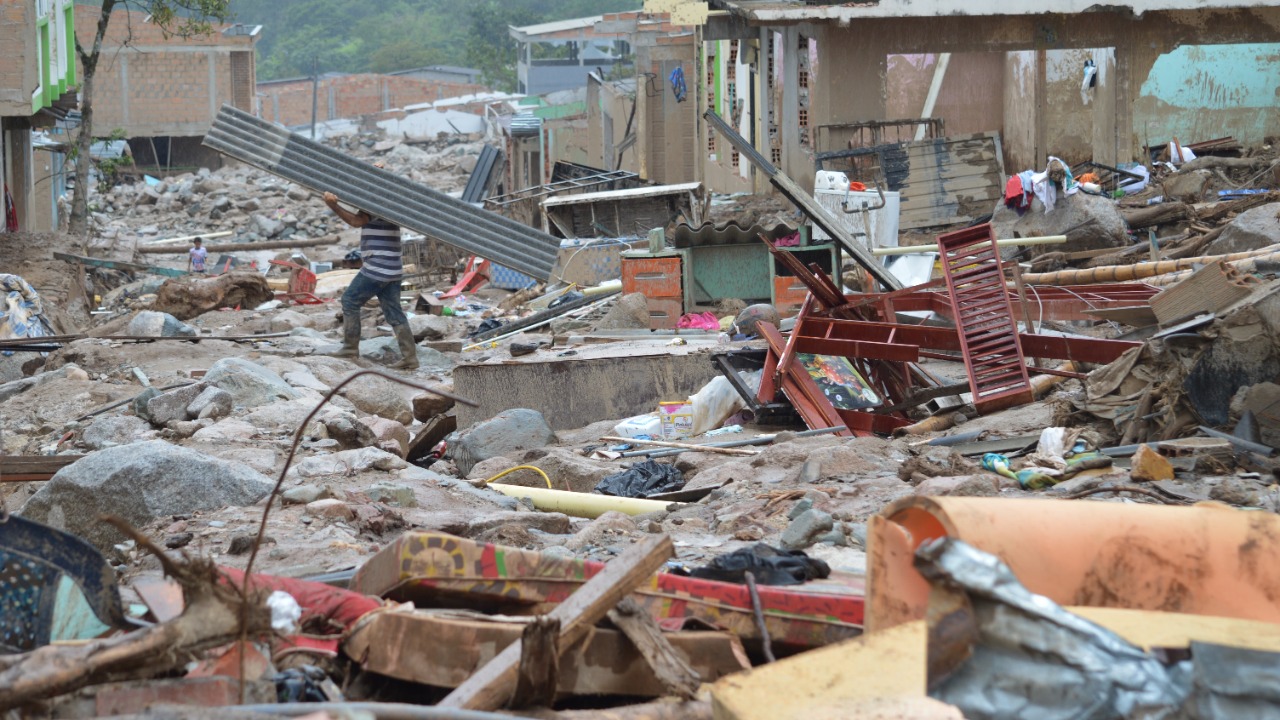
The human toll from the Venezuelan earthquakes has been severe. Officials reported that the combined death count climbed to 164, with nearly 1,000 people injured across affected regions. These figures were cited as the national civil protection system struggled to coordinate search and rescue, medical evacuations, and shelter for families whose homes were no longer safe. One detailed tally of the catastrophe placed the death toll at and injuries at close to 1,000, numbers that underscore how destructive the twin shocks became once the second rupture struck.
Much of the worst damage occurred in older neighborhoods where buildings had not been retrofitted for strong shaking. Multi-story residential blocks with open ground floors, a known weak configuration in earthquakes, suffered partial or total collapse. Hospitals in several cities reported structural cracks and temporary power failures, complicating treatment for those pulled from the rubble. The sequence also damaged roads and bridges that emergency crews needed to reach remote communities, slowing rescues during the critical first hours.
The near simultaneity of the two quakes magnified the impact. Standard public guidance in earthquake country tells people to drop, cover, and hold until shaking stops, then evacuate if necessary. In Venezuela, the gap between the first and second shocks was so short that many people were still inside, moving through stairwells or gathering in doorways when the stronger motion hit. A brief from one regional outlet described how two major earthquakes rocked the country late on a Wednesday night, with the second arriving in under a minute and catching residents mid response.
For emergency planners, that sequence raises hard questions about whether current advice and drills adequately account for complex events. Traditional messaging often frames the main shock as the primary threat and aftershocks as dangerous but typically smaller. In Venezuela, the main destructive force was a second rupture that followed so fast that no separate alert, siren, or broadcast could realistically reach people in time.
The disaster also exposed gaps in building codes and enforcement. Engineers reviewing collapsed structures pointed to non-ductile concrete frames, irregular floor plans, and heavy rooftop additions that amplified shaking. Those weaknesses might have survived a single, shorter event. Under a longer period of intense motion from two powerful quakes, they failed catastrophically. The pattern suggests that Venezuela, like many seismically active countries, faces a double challenge: understanding complex fault behavior and upgrading a built environment that was never designed for it.
How the Venezuelan double rupture reshapes preparedness
The unusual pattern of a stronger second jolt has immediate implications for how Venezuela prepares for future earthquakes. Seismologists are already mining the data from the twin shocks to refine models of stress transfer between faults in northern Venezuela. Those models can help identify other fault segments that might be capable of similar paired ruptures, where one slip rapidly triggers a second that is larger and more damaging.
One priority is improving real-time monitoring. The double rupture revealed that even a robust network of sensors can struggle to characterize an evolving event when two major ruptures unfold in seconds. Agencies are likely to explore faster algorithms that can distinguish a complex, multi-segment rupture from a single shock, which could inform how alerts are phrased in the first critical minute. Although no system could have fully warned Venezuelans about a stronger jolt less than a minute away, better characterization might help authorities anticipate extended shaking and potential cascading damage.
Public education is another front. The Venezuelan sequence suggests that people should be trained to treat the end of initial shaking as a pause rather than a finish line. That does not mean encouraging panic or constant running for exits. Instead, it argues for drills that emphasize quick situational assessment: checking for hazards overhead, identifying safe spots if shaking resumes, and moving calmly once conditions allow. Messaging may need to explicitly acknowledge that a second, stronger shock can follow quickly, particularly in regions with complex fault systems.
Urban planning and construction policy will also face scrutiny. The pattern of building failures in Venezuela aligns with longstanding research that mid-rise concrete structures without modern seismic detailing are especially vulnerable. Policymakers now have a stark case study of how those vulnerabilities play out when the ground shakes twice with increasing intensity. Targeted retrofits for hospitals, schools, and key transport links in high-risk zones may move higher on the agenda, especially in coastal cities and valleys where soft soils can amplify motion.
Internationally, the Venezuelan double rupture will likely join a small set of benchmark events that shape global thinking about seismic risk. Researchers who study complex earthquakes will compare this sequence with other multi-segment ruptures to refine theories about how faults interact over very short timescales. That work can feed back into hazard maps and design standards not only in Venezuela but in other countries that sit atop similar networks of intersecting faults.