
Parts of England remain under yellow heat-health alerts as a weather front brings rain and fresher conditions into other areas of the United Kingdom. The contrasting forecast means some regions will continue experiencing temperatures close to 30°C while Scotland, Northern Ireland, Wales and northern England begin to see cloud, rain and stronger winds.
The UK Health Security Agency’s current heat-alert dashboard shows yellow alerts for the East Midlands, West Midlands, East of England, London, South East and South West. The alerts began at 9am on Friday, July 24, and are scheduled to remain active until 9am on Sunday, July 26.
The situation does not represent a single nationwide heat warning. UKHSA heat-health alerts operate only in England and focus on the potential effects of sustained warmth on health and care services. Scotland, Wales and Northern Ireland follow separate public-health arrangements, even though all four nations are included in the Met Office’s wider UK forecast.
What a Yellow Heat-Health Alert Means
A yellow alert indicates that hot conditions could affect vulnerable people and create challenges for some health and social-care services. It does not automatically mean that everyone in the affected region faces an immediate emergency.
The system considers more than the highest daytime temperature. Warm nights, the duration of the heat and the ability of people’s bodies and homes to cool down can also influence the alert level. The Met Office’s explanation of UK heat-alert systems notes that a health alert may be issued even when temperatures are not high enough to justify a separate extreme-heat weather warning.
This distinction explains why yellow alerts can remain in place during a weekend when rain is approaching. A band of rain may cool northern and western areas first, while southern England continues to experience sunshine, warm nights and locally hot daytime conditions.
Older adults, babies, young children and people with heart, lung, kidney or other long-term medical conditions can be more vulnerable during prolonged heat. People who live alone, take certain medicines or remain inside poorly ventilated homes may also find it harder to regulate their temperature.
Saturday Brings a Clear North-South Divide
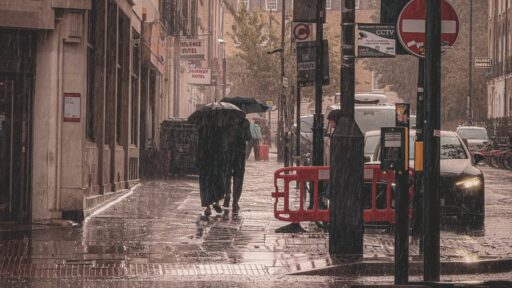
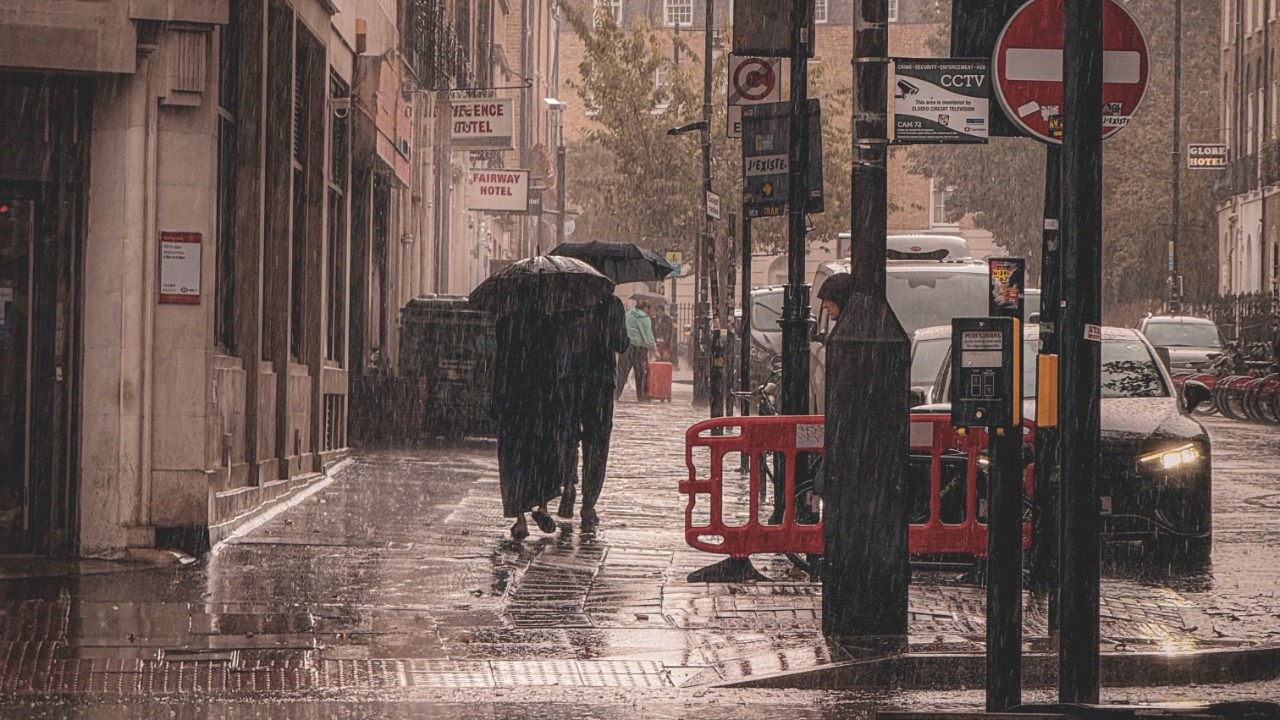
Saturday is expected to produce very different conditions across the country. A frontal system moving southeast will bring cloud and rain across much of Scotland and Northern Ireland before spreading towards northern England and Wales.
Some central areas of England and Wales may also receive rain later in the day. Conditions will feel fresher in the north, with stronger winds and lower temperatures following the weather front. The latest Met Office weekend forecast says the rain will become increasingly showery as it moves southeast.
Southern England will initially remain on the warmer side of the front. Sunshine is expected to continue across many southern counties, with the highest temperatures shifting towards southeast England. Highs in the upper 20s are likely, while a few locations could reach the low 30s.
The result will be a striking regional contrast. People in northern areas may need waterproof clothing and protection from brisk winds, while those attending outdoor events in London or southern England may still need shade, water and sun protection.
Sunday Will Feel Fresher for Most Areas
The front is expected to continue moving southeast during Saturday night and Sunday morning. Much of England and Wales may begin Sunday with cloudy or damp conditions before the rain gradually clears.
Sunshine and scattered showers should follow from the west. Some showers could become heavy across eastern England and northern or eastern Scotland, with isolated thunderstorms also possible. However, the forecast does not indicate widespread severe rainfall across the country.
Temperatures will fall compared with Friday and Saturday. Southern areas may still reach the mid-20s, while northern regions are more likely to remain in the high teens or low 20s. The change should provide greater comfort after several hot periods, although it may not last long in southern England.
Higher pressure may begin rebuilding from the southwest by Sunday night and Monday. Southern regions could consequently return to dry and very warm weather during the following week, while northern and northwestern areas remain more exposed to Atlantic rain.
The Rain Will Not End the Wider Dryness Problem
Rain will be welcome after a notably dry July, but the expected totals are unlikely to reverse long-term moisture deficits. Most places may receive at least some rain between Saturday and Sunday, yet the wettest conditions are expected to favour northern and northwestern parts of the country.
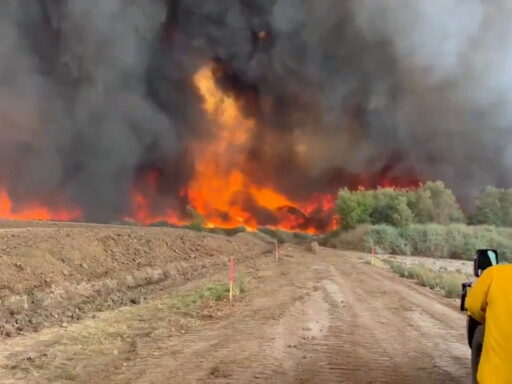
The southeast, where water demand is high and the ground has become particularly dry, may receive only limited rainfall as the weather system weakens. Brief showers can dampen gardens and temporarily reduce wildfire risk, but they do not necessarily restore reservoirs, river levels or deeper soil moisture.
Parts of Wales have already moved into drought status following extremely low rainfall and river flows. Natural Resources Wales declared drought in north Wales and the Upper Severn after some affected areas received only a very small proportion of their expected July rainfall.
The weekend should therefore be viewed as a temporary change rather than the end of the dry summer. The Met Office’s longer outlook suggests rainfall may remain below normal overall, with additional hot spells still possible in southern Britain during August.
People Should Continue Following Heat Advice
Rain in the forecast does not remove the need to take care during the hottest part of Saturday, particularly in the six English regions covered by the UKHSA alert.
The agency’s official hot-weather safety guidance recommends drinking regularly, avoiding excessive activity during the hottest hours and keeping sun-facing rooms shaded. Windows can be opened when the outside air becomes cooler than the indoor temperature, often during the evening or early morning.
Checking on relatives, neighbours and friends who may struggle with heat is particularly important. A person can become unwell inside a warm home even when outdoor conditions do not appear extreme.
Common signs of heat exhaustion include tiredness, dizziness, headache, nausea, heavy sweating, intense thirst and a fast heartbeat. The NHS guide to heat exhaustion and heatstroke explains that heatstroke is a medical emergency and immediate help is needed when someone remains seriously unwell despite attempts to cool them.
Travellers and Event Visitors Face Mixed Conditions
The weekend coincides with a busy summer travel period, meaning the changing weather could affect road journeys, festivals, sporting events and outdoor plans.
Drivers travelling from southern England towards Scotland or northern England may move from dry, hot sunshine into rain and stronger winds. Wet roads following an extended dry period can become slippery when water mixes with accumulated dust, oil and surface debris.
Festival and event visitors should prepare for both weather types rather than relying on one national forecast. Sun protection and drinking water may remain essential in the southeast on Saturday, while waterproof clothing and secure tents may be more useful farther north.
Forecast confidence also becomes lower when determining the exact timing and intensity of individual showers. The Met Office national forecast should therefore be checked again before travelling, along with a location-specific forecast for the destination.
The Weekend Offers Relief but Not a Complete Reset
The arrival of rain marks a noticeable change after persistent summer warmth and dryness, but its benefits will not be distributed evenly.
Scotland, Northern Ireland, northern England and parts of Wales are most likely to see meaningful rain first. Southern England will remain warm and largely dry through much of Saturday before fresher conditions arrive on Sunday.
The UKHSA alerts underline that the remaining heat still carries health risks, even as the broader weather pattern begins to shift. The weekend will provide short-term relief for many people, but it will not fully resolve the effects of the dry spell or eliminate the possibility of more hot weather later in the summer.