
Turkiye’s World Cup campaign ended with a jolt of late drama, as a stoppage-time winner sealed a 3-2 victory over the United States in a match that had no bearing on Group D qualification. The result did not change the fate of either side, yet it reshaped the narrative around both teams, turning a supposed formality into a night that will linger in memory for very different reasons.
For Turkiye, the comeback offered a measure of redemption after an early exit. For the United States, a disjointed performance and a squandered lead sharpened scrutiny on a project that was meant to be past such growing pains.
Key moments that flipped a dead rubber into late drama
The match in Kansas City unfolded with the loose, open feel that often defines group finales when elimination is already confirmed. The United States began with intent, using Christian Pulisic as the main creative outlet and looking to exploit space behind Turkiye’s back line. Early pressure brought reward when the hosts took the lead, capitalising on a defensive lapse that briefly hinted at a long evening for the European side.
Turkiye answered with a more direct approach, leaning on the physical presence of their forwards and the timing of midfield runners. Their equaliser came from that shift in emphasis, as a quick transition caught the American back four retreating in disarray. The goal steadied Turkiye, whose head coach Montella had urged his players to treat the match as a chance to restore pride after two earlier defeats in Group D, according to Turkiye’s consolation win.
The United States regained control before the break, again through Pulisic’s influence between the lines. His combination play opened space for a second American goal, which appeared to tilt the contest decisively. Yet the pattern that has dogged this U.S. side on the biggest stages returned: a promising platform followed by lapses in concentration and structure.
Turkiye’s second equaliser arrived after the interval, when a sustained spell of pressure forced the United States deeper and deeper. Full-back Auston Trusty, brought into the starting eleven to freshen the back line, struggled to contain overlapping runs on his flank. A low cross was not cleared, and Turkiye punished the hesitation with a close-range finish that levelled the score at 2-2, a sequence detailed in analysis of the.
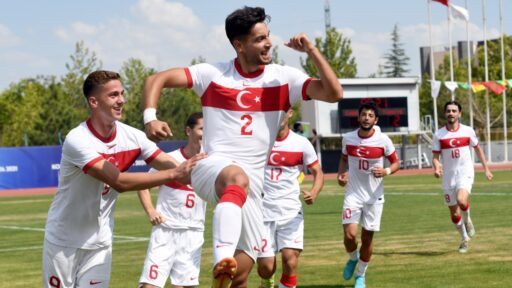
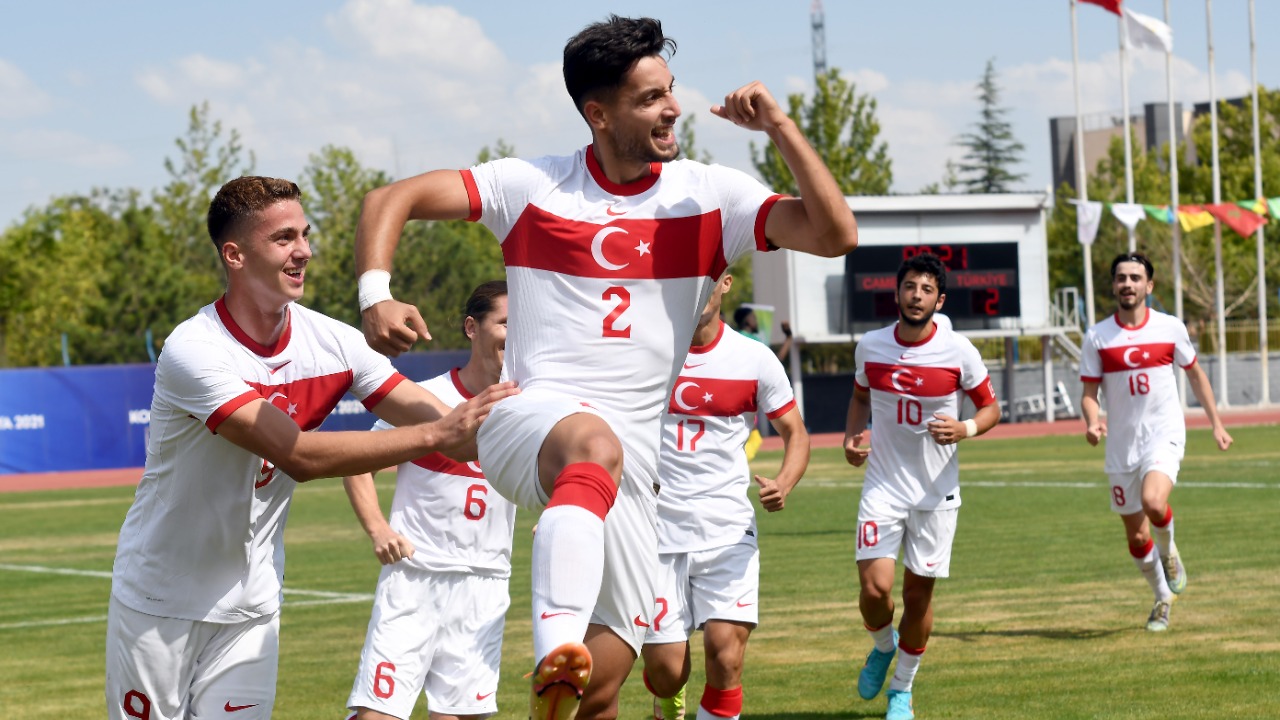
From there, the match drifted toward the kind of tame conclusion expected from a fixture stripped of stakes. Both managers rotated personnel, and the tempo sagged. Then came the twist. Deep into stoppage time, Turkiye constructed one last attack down the left, where substitute winger Ayhan isolated his marker. His cutback found Guler at the edge of the box, and the midfielder’s low shot took a slight deflection before nestling inside the far post. The late strike, captured in live coverage of, turned a routine draw into a statement of defiance from a side already packing its bags.
Why a last-gasp winner in a settled group still carries weight
On paper, the match changed nothing. Both Turkiye and the United States were already out of contention for the knockout stages, with earlier defeats leaving them adrift of the group’s leaders. Yet the manner of this result matters for how each federation will interpret the broader arc of its World Cup cycle.
For Turkiye, a nation with a passionate football culture and a history of underachievement at major tournaments, the comeback provides a tangible positive to carry into the next qualification campaign. Montella had faced criticism for conservative selections in the opening fixtures, but his decision to trust younger players such as Guler and Ayhan in this match paid off. Their composure in the final third, especially in the dying seconds, offered a glimpse of a more dynamic core that could anchor the side beyond this tournament.
The win also helps soften the narrative around Turkiye’s early exit. A campaign defined solely by group-stage elimination invites sweeping judgments about systemic failure. A spirited victory over a United States team that arrived with high expectations complicates that story. It suggests that the gap between success and disappointment was narrower than the standings alone might indicate, and that tactical tweaks rather than wholesale upheaval may be enough to push Turkiye back into the knockout conversation next time.
The impact on the United States is more uncomfortable. Head coach Gregg Berhalter has framed this World Cup as a test of maturity for a young core that includes Pulisic, Weston McKennie and Gio Reyna. Losing a two-goal advantage in a match that should have been a platform for controlled dominance reinforces doubts about game management and defensive organisation. Trusty’s difficult outing at the back, coupled with late positional confusion in the build-up to Guler’s winner, will fuel questions about squad depth and selection choices.
Beyond individual errors, the defeat highlights a recurring pattern. The United States can press aggressively and create chances in bursts, but struggles to maintain structure when the tempo shifts or when opponents adjust. In this match, Turkiye’s switch to more vertical passing and overlapping full-backs repeatedly pulled American midfielders out of position. The inability to adapt in real time, even with nothing material on the line, hints at a ceiling that tactical refinement must address before the next major tournament.
There is also a psychological dimension. A late collapse in a so-called dead rubber might seem inconsequential, yet players and staff know that reputations are shaped by such moments. For Turkiye, the stoppage-time winner becomes a reference point for resilience. For the United States, conceding at the death reinforces a perception that this group still has to learn how to close out games against savvy opponents.
How Turkiye and the United States reset after a dramatic exit
With both teams heading home, the focus shifts to what this match reveals about their paths forward. Turkiye’s federation must decide how much continuity to grant Montella and his staff. The late surge against the United States, powered by Guler’s intelligence between the lines and Ayhan’s direct running, strengthens the argument for building around this emerging generation rather than reverting to more established but less mobile options. Integrating these players more fully into qualifying campaigns will test whether their promise can translate into consistent results.
Structurally, Turkiye’s performance suggested that a more proactive pressing game suits the current squad. When they pushed higher and compressed space around the American midfield, they created turnovers that led directly to scoring chances. The challenge will be to sustain that intensity over full tournaments, rather than in isolated matches when the pressure is already off.
For the United States, the conversation is more pointed. Berhalter’s contract and long-term vision will come under review from the U.S. Soccer Federation, which has invested heavily in this generation with the expectation of tangible progress on the world stage. The defeat to Turkiye, especially in such chaotic fashion, adds weight to calls for a more flexible tactical approach. Critics have argued that the current system leans too heavily on Pulisic’s creativity and does not provide enough protection for a back line that can be exposed by quick transitions.
One likely area of emphasis will be defensive depth and leadership. Trusty’s struggles in this match highlighted the risk of relying on relatively inexperienced defenders in high-pressure environments. Identifying and developing a central pairing that can both build from the back and manage late-game situations will be a priority. So will refining the midfield balance, so that the team can protect leads without retreating into a passive shell that invites pressure.
On a broader level, the match serves as a reminder that World Cups are shaped as much by psychological edges as by talent. Turkiye’s willingness to chase the game to the final whistle, even with elimination already confirmed, contrasted with an American side that appeared to accept a draw before it was secured. Turning that mindset around will be as important as any tactical tweak.